
- This topic is empty.
-
AuthorPosts
-
2026-11-18 at 7:37 pm #10459
Anyone who has tried to launch a small sunscreen or skincare line knows the first real obstacle usually isn’t the formula itself, it’s the minimum order quantity math. A brand wanting to test five SKUs at 500 units each quickly runs into the same wall: mixing vessels are often built for 150kg batches, so a 25kg run of 500 tubes barely clears the floor of what a manufacturer can economically produce. Print tooling for custom packaging gets charged per SKU, which means testing five small runs can cost almost as much as one large one.
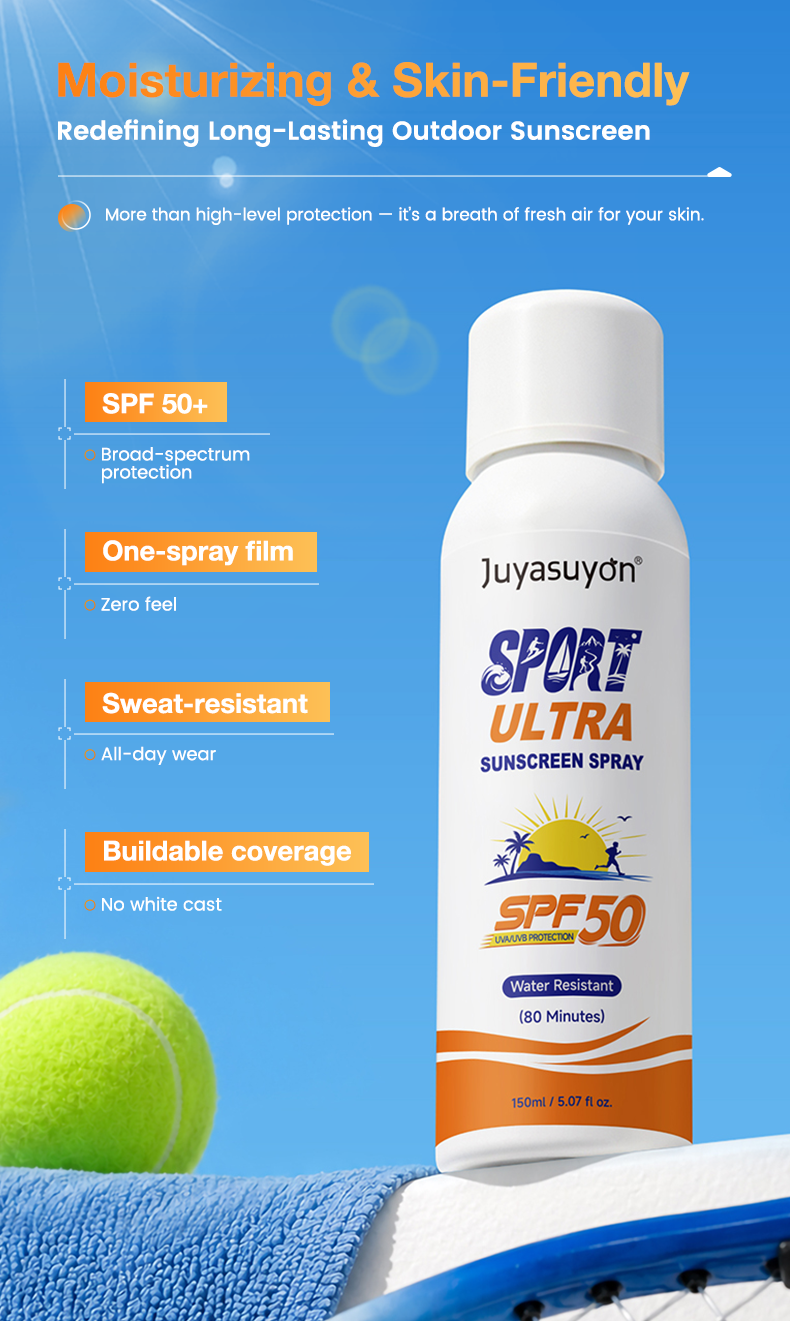
There’s a workaround some ODM/OEM manufacturers use that’s worth understanding before committing to a supplier. Instead of custom-printed packaging for every pilot SKU, some facilities offer stock containers with removable labels, which cuts tooling costs and lets a brand reuse an existing compliance test report (like an SPF/UVA-PF report under ISO 24444/24443) across multiple SKUs if the base formula platform hasn’t changed. Only the SKU with an actual formula change needs a fresh round of testing. That shifts a five-report problem into roughly one.
The trade-off is that this only works if the brand is flexible about packaging uniformity in the pilot phase, and it depends on the manufacturer actually having a validated formula "platform" to reuse rather than treating every SKU as a one-off. It also assumes the brand’s target market accepts the same active ingredient system across SKUs, which isn’t always true once mineral vs. chemical filters or region-specific compliance (FDA, EU CPNP, HALAL) come into play.
For anyone who has sourced small-batch skincare or sunscreen production, how do you evaluate whether a manufacturer’s "platform reuse" claim is real versus just a sales pitch? What documentation would actually prove the formula hasn’t changed between SKUs?
http://www.yilongsuncare.com
Guangzhou Yilong Cosmetics Co., Ltd. -
AuthorPosts

- You must be logged in to reply to this topic.