
- This topic is empty.
-
AuthorPosts
-
2026-10-28 at 5:21 pm #9986
rying Oven for PCB Manufacturing in Vietnam: 2026 Guide
Vietnam’s electronics manufacturing corridor has expanded quickly, and with it the demand for reliable, energy-efficient drying ovens and industrial heating systems. Printed circuit board (PCB) fabrication is a sequence of wet processes — imaging, etching, plating, solder mask application, and silkscreen — each of which must be followed by a controlled bake or dry step. How well that step is executed determines whether a panel ships or is scrapped. This guide explains what makes a drying oven suitable for PCB production, how Vietnamese manufacturers are weighing energy and refrigerant compliance, and where integrated heat pump technology fits into that decision.
Why Drying Quality Determines PCB Yield
Moisture that remains trapped in a board after a wet process does not simply evaporate later. It becomes a defect: delamination and blistering during lamination or reflow, poor solder mask adhesion, pitting in copper surfaces, and inconsistent hole-wall quality. The failure usually surfaces downstream, which makes it expensive.
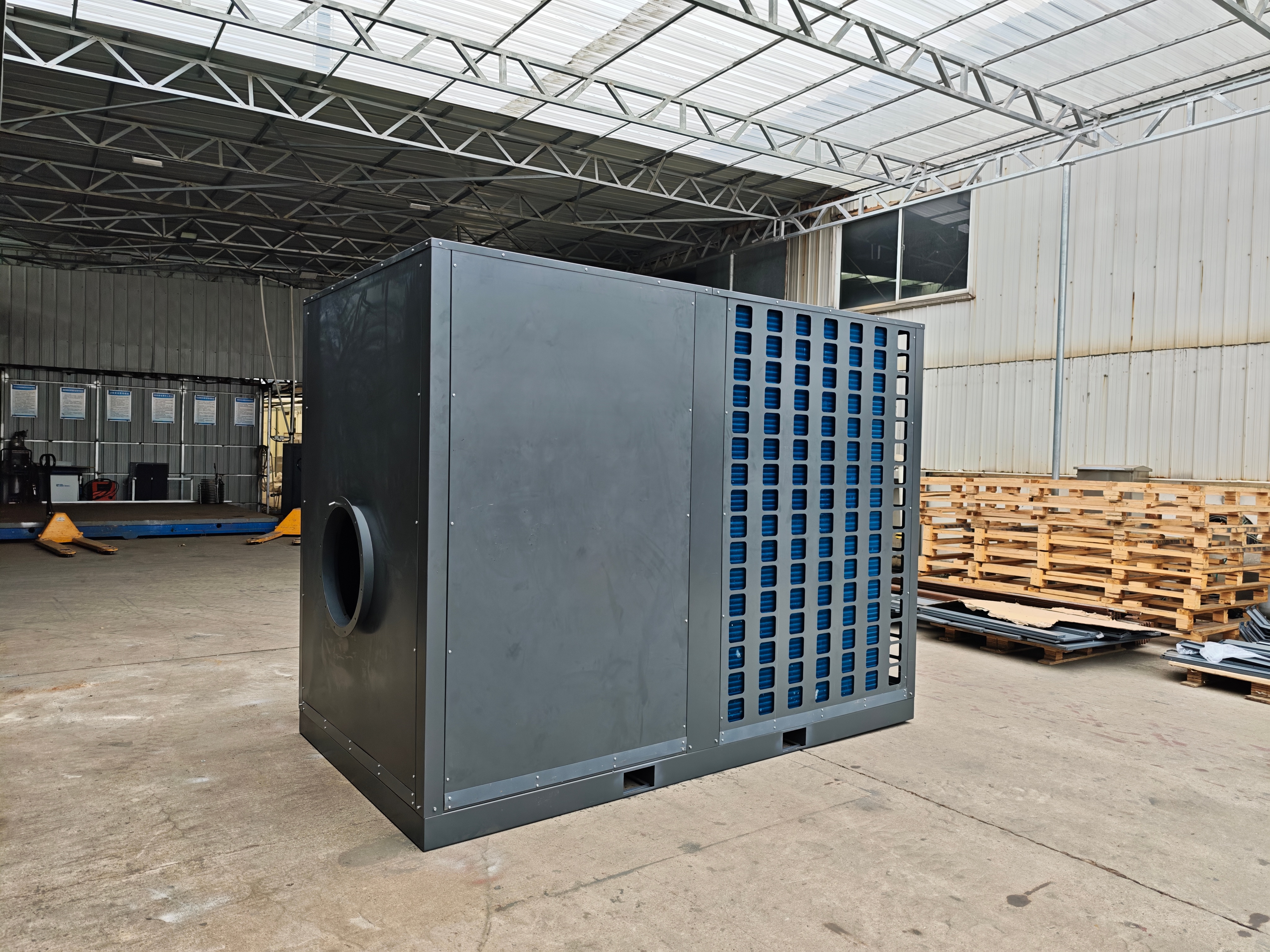
Three equipment characteristics govern drying outcomes:
- Temperature accuracy: Boards and solder masks are sensitive to overshoot. Systems capable of holding conditions within ±1°C prevent the thermal stress that causes warping and mask defects.
- Uniform airflow: Uneven air distribution leaves zones that dry faster than others, producing exactly the inconsistency that shows up as downstream field failures.
- Gradient dehumidification: Staged moisture removal is gentler on the product than a single aggressive heat cycle and reduces the risk of surface cracking.
What Vietnam-Based PCB Operations Should Evaluate
Buyers in Vietnam’s growing PCB sector typically compare equipment across five dimensions. Because the country’s climate is hot and humid for much of the year, ambient conditions raise the load on any drying or dehumidification system, so performance figures quoted for temperate markets deserve scrutiny.
- Low-ambient and high-humidity performance. Equipment should sustain stable operation rather than degrade under sustained humidity and high ambient temperatures.
- Energy consumption per production hour. Electricity and fuel costs compound across three shifts, making efficiency the dominant operating cost.
- Refrigerant and regulatory alignment. Global rules, including the EU F-Gas framework, are driving a transition away from high-GWP refrigerants. Equipment specified today should already anticipate that shift.
- Integration with existing thermal infrastructure. Waste heat from compressors, plating lines, and process cooling is frequently discharged unused.
- Service and delivery model. Custom production based on drawings, free design of solutions, and dependable after-sales service matter more in a cross-border deployment than in a domestic one.
Energy: The Cost That Compounds
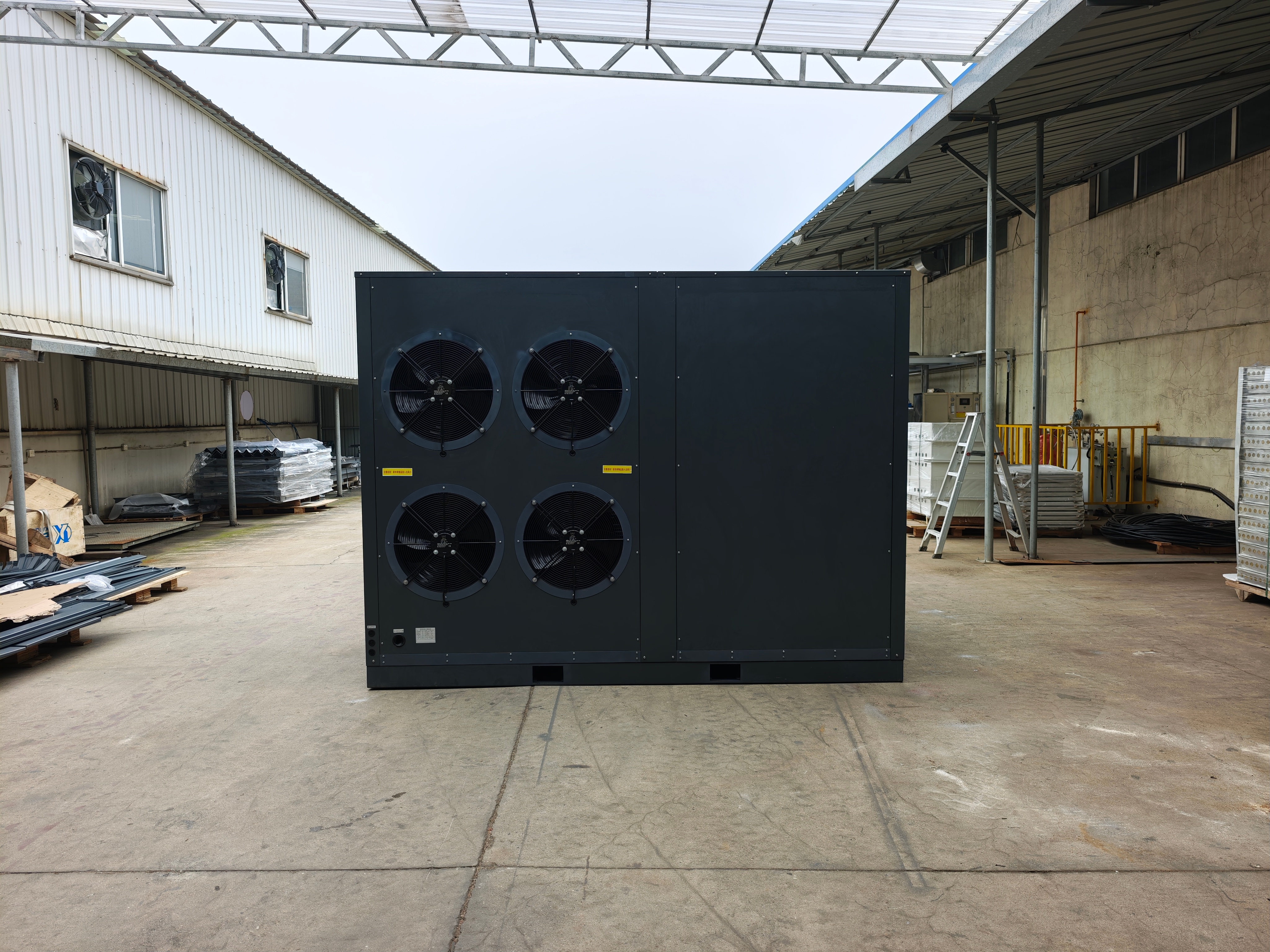
Traditional coal-fired boilers and electric heaters are energy-intensive, and gas drying carries substantial consumption along with its own emissions profile. The environmental compliance pressure created by global regulations — and the production inefficiency caused by uneven drying and industrial waste heat loss — are the central pain points in industrial drying today.
Heat pump drying addresses both. Air source heat pumps operate with COP values above 4.0, meaning 1 kW of electricity yields more than 4 kW of heat. Measured against traditional boilers, integrated heat pump systems deliver over 70% energy savings, while industrial drying heat pumps in food processing achieve 50-60% energy saving compared with gas drying. In the Shanghai Pet Snack Factory, an industrial drying heat pump using gradient dehumidification retained 85% nutrition in chicken breast jerky while delivering that 50-60% energy saving — evidence of how gradient dehumidification and uniform airflow design perform in practice.
Similar performance is documented in adjacent process-heat applications. Water source heat pumps maintained 17°C breeding water for sea cucumber at the Dalian Sea Cucumber Base, saving 70% energy compared with electric heating, and held tilapia water at 28-30°C, reducing mortality from 30% to below 5%.
High-Temperature Process Heat and the Refrigerant Transition
PCB fabrication intersects with several industrial processes that demand consistent heat: electroplating, chemical processing, and dehumidified production environments. High-temperature heat pumps reaching 95°C output support industrial process heat and hot water, while cascade high-temperature heat pumps raise process temperatures further. On the refrigerant side, the industry is transitioning to low-GWP options including R290, R1234ze, and R515B, supporting regulatory compliance and lower carbon emissions. Research and development prototypes have reached 200°C, extending the potential envelope of high-temperature applications.
Waste Heat Recovery: Turning a Cost into an Input
Industrial waste heat is typically discharged without being used. Waste heat recovery converts that stream into usable process heat, reducing purchased energy input. For a facility running plating lines and compressors alongside drying equipment, this is often the single largest available efficiency gain — and it is compatible with the skid-mounted high-temperature water source heat pump configuration, which shortens on-site integration time.
Where Jiangsu Obuy New Energy Development Co., Ltd. Fits
Jiangsu Obuy New Energy Development Co., Ltd., trading under the brand YIJIAREN, is an integrated industrial and trading company specializing in the design and manufacturing of high-efficiency solar and air source heat pump solutions. Its systems are built around a core promise: over 70% energy savings compared with traditional boilers while holding temperature control within ±1°C.
The technical foundation is a reverse Carnot Cycle platform with low-GWP refrigerant transition, and equipment that operates stably in ambient temperatures as low as -35°C. Intelligent control systems provide temperature accuracy within ±1°C and remote monitoring for operational oversight, while an integrated solar and air source heat pump system combines multiple thermal sources under a single intelligent control layer.
For buyers, the delivery model is as relevant as the hardware. Backed by 22 years of engineering experience, Jiangsu Obuy provides customized production based on drawings, free design of solutions, and technical guidance, installation, construction, commissioning, and after-sales service. The company has delivered over 3,000 energy-saving solutions and 8,000+ success cases, with some projects in cooperation with Fortune Global 500 companies, foreign-invested enterprises, and central SOEs and other SOEs. Products are exported to 50+ countries including Vietnam, Thailand, Bulgaria, Mexico, Central Asia, Germany, Italy, Japan, and the USA. The company holds ISO9001, ISO14001, ISO45001, CCC, and CE certifications.
Selecting a Drying and Heating Partner: A Checklist
- Verify temperature accuracy claims, ideally ±1°C, not nominal control ranges.
- Confirm operating limits match the site, including -35°C low-ambient capability where cold-chain or export requirements apply.
- Ask which refrigerants the equipment supports and whether R290, R1234ze, or R515B pathways are available.
- Quantify waste heat recovery potential before specifying purchased energy capacity.
- Require a documented service model covering design, commissioning, and after-sales support.
Conclusion
For Vietnam’s PCB manufacturers, the drying oven decision is really a thermal infrastructure decision. Yield depends on temperature precision and airflow uniformity; operating cost depends on efficiency; and long-term compliance depends on refrigerant choice. Equipment that combines COP above 4.0, ±1°C control, low-GWP refrigerants, and waste heat recovery — delivered through a customized, service-backed model — addresses all three requirements at once. Jiangsu Obuy New Energy Development Co., Ltd., through its YIJIAREN brand, brings that combination to industrial manufacturers, greenhouse and aquaculture operators, and food processors across 50+ export markets.
https://www.obuytech.com/
Jiangsu Obuy New Energy Development Co., Ltd. -
AuthorPosts

- You must be logged in to reply to this topic.