- This topic is empty.
-
AuthorPosts
-
2026-06-18 at 4:27 pm #7997
In many industries, labels are often overlooked until something goes wrong. A faded barcode, a detached label, or unreadable chemical information can quickly create confusion, disrupt workflows, and even introduce safety risks. For laboratories, manufacturing facilities, and chemical processing plants, reliable labeling is not simply an administrative requirement—it is a critical part of daily operations.
As industrial environments become more automated and compliance requirements continue to increase, waterproof and heat-resistant chemical labels are playing a much larger role than ever before. They help organizations maintain accurate identification, improve traceability, and ensure that important information remains visible throughout the entire lifecycle of a product, sample, or container.
Why Label Durability Matters
A label's primary job is simple: communicate information clearly and consistently. However, many industrial environments are anything but simple.
Laboratories routinely handle solvents, acids, cleaning agents, and sterilization processes. Manufacturing plants may expose labels to moisture, oil, dust, friction, or extreme temperatures. In these conditions, ordinary labels can quickly fail.
Common problems include:
-
Ink fading or smearing
-
Adhesive failure
-
Peeling corners
-
Barcode scanning errors
-
Complete loss of identification
When a label becomes unreadable, the consequences can range from minor inconvenience to major operational problems. A mislabeled chemical container or an unidentifiable sample can compromise data accuracy, delay production, or create safety concerns.
This is why many organizations are moving toward industrial-grade waterproof and heat-resistant labeling solutions.
The Growing Need for Traceability
Traceability has become a major priority across nearly every industry.
Manufacturers need to track raw materials and finished products. Laboratories must document sample histories. Chemical facilities are required to maintain detailed records for safety and regulatory purposes.
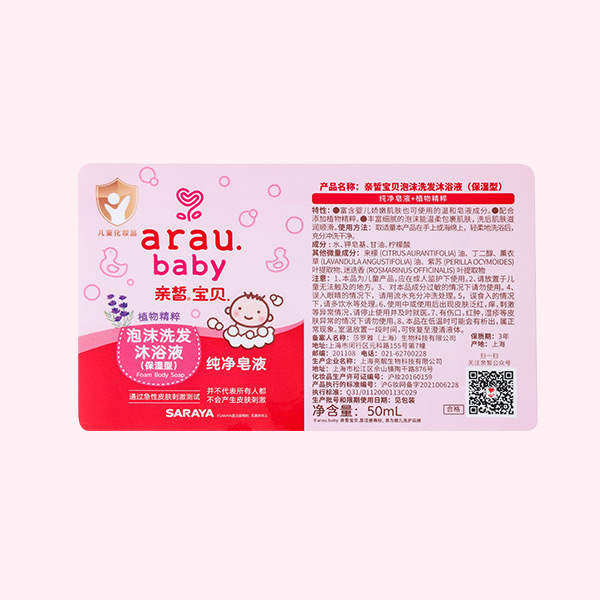
Modern chemical labels are increasingly integrated with barcodes and QR codes that connect physical items to digital databases.
This allows organizations to:
-
Monitor inventory in real time
-
Track product movement throughout the supply chain
-
Reduce manual data-entry errors
-
Improve audit readiness
-
Strengthen quality control procedures
In many facilities, a barcode label is no longer just an identification tool—it serves as a gateway to critical operational data.
Why Waterproof Labels Make a Difference
Moisture is one of the most common causes of label failure.
Laboratory refrigerators, cleaning procedures, production environments, and transportation conditions often expose labels to water or condensation. Traditional paper labels may wrinkle, detach, or become unreadable after repeated exposure.
Waterproof labels are specifically designed to withstand these challenges.
Their advantages include:
-
Strong adhesion in humid environments
-
Resistance to water damage
-
Protection against condensation
-
Long-term print clarity
-
Reliable barcode scanning performance
For laboratories storing samples in cold storage or manufacturers operating in washdown environments, waterproof labeling helps maintain uninterrupted identification.
Heat Resistance Is Equally Important
Many industrial processes involve elevated temperatures that standard labels simply cannot tolerate.
Examples include:
-
Sterilization procedures
-
Autoclave processing
-
Heat treatment operations
-
High-temperature manufacturing equipment
-
Industrial drying systems
In these situations, labels must maintain both adhesion and readability despite repeated thermal exposure.
Heat-resistant chemical labels are engineered using specialized materials and adhesives that remain stable even when exposed to challenging temperature conditions.
The result is consistent identification without the need for frequent replacement or manual relabeling.
Supporting Safety and Compliance
Regulatory compliance continues to be a driving force behind labeling improvements.
Organizations handling chemicals are required to provide clear identification, hazard information, handling instructions, and traceability records. Failure to do so can result in operational disruptions, compliance violations, or workplace safety incidents.
High-performance chemical labels support compliance by ensuring that critical information remains visible and legible throughout storage, transport, and use.
This is especially important in industries such as:
-
Chemical manufacturing
-
Pharmaceuticals
-
Energy and petrochemicals
-
Automotive production
-
Research laboratories
-
Food processing facilities
Reliable labeling helps organizations maintain consistent safety standards while reducing the risk of human error.
The Technology Behind Modern Chemical Labels
The durability of modern chemical labels comes from advances in material engineering.
Unlike conventional labels, industrial-grade solutions often feature multiple protective layers designed to resist environmental stress.
These may include:
-
Chemical-resistant coatings
-
Industrial-strength adhesives
-
UV-protective films
-
Smudge-resistant printing surfaces
-
High-temperature substrates
Together, these materials help labels remain functional even after prolonged exposure to chemicals, abrasion, moisture, and temperature fluctuations.
For users, this means fewer replacements, lower maintenance costs, and improved operational reliability.
Applications Across Multiple Industries
Although laboratories are among the largest users of chemical labels, the technology has become essential in many other sectors.
In manufacturing facilities, labels are used to identify raw materials, work-in-progress inventory, and finished products.
In petrochemical plants, labels support equipment identification and hazardous material management.
In pharmaceutical production, they help ensure batch traceability and regulatory compliance.
In logistics operations, durable barcode labels improve inventory visibility and streamline supply chain management.
Across all these applications, the common requirement remains the same: information must remain accurate, visible, and accessible regardless of environmental conditions.
Looking Ahead
As industries continue to embrace automation, digital tracking, and data-driven decision-making, labeling systems will become even more important.
Future labeling solutions are expected to incorporate advanced barcode technologies, RFID integration, enhanced durability, and greater compatibility with industrial management systems.
Organizations that invest in reliable labeling infrastructure today will be better positioned to improve efficiency, strengthen compliance, and support long-term operational growth.
Final Thoughts
Waterproof and heat-resistant chemical labels may seem like a small component of an industrial operation, but their impact is significant. They help protect critical information, support workplace safety, improve traceability, and ensure compliance with increasingly demanding industry standards.
Whether in a research laboratory, manufacturing facility, chemical plant, or logistics center, durable labeling solutions provide the reliability needed to keep operations running smoothly.
As businesses continue to prioritize accuracy, safety, and digital transformation, high-performance chemical labels will remain an essential tool for modern industrial environments.
http://www.worldbridgeco.com
WorldBridge -
-
AuthorPosts

- You must be logged in to reply to this topic.