
- This topic is empty.
-
AuthorPosts
-
2026-11-11 at 5:37 pm #10296
High-power LED sports lights are widely used in football stadiums, tennis courts, basketball arenas and other large sports facilities.
These luminaires are designed to deliver substantial light output, often operating for extended periods and sometimes in demanding outdoor environments.
However, producing high levels of illumination is only part of the challenge. Managing the heat generated during operation is equally important.
An LED sports light with insufficient thermal management may experience higher operating temperatures, which can affect component reliability and long-term lighting performance.
For stadium owners, lighting contractors and equipment buyers, understanding thermal management is an important part of evaluating high-power LED sports lighting products.
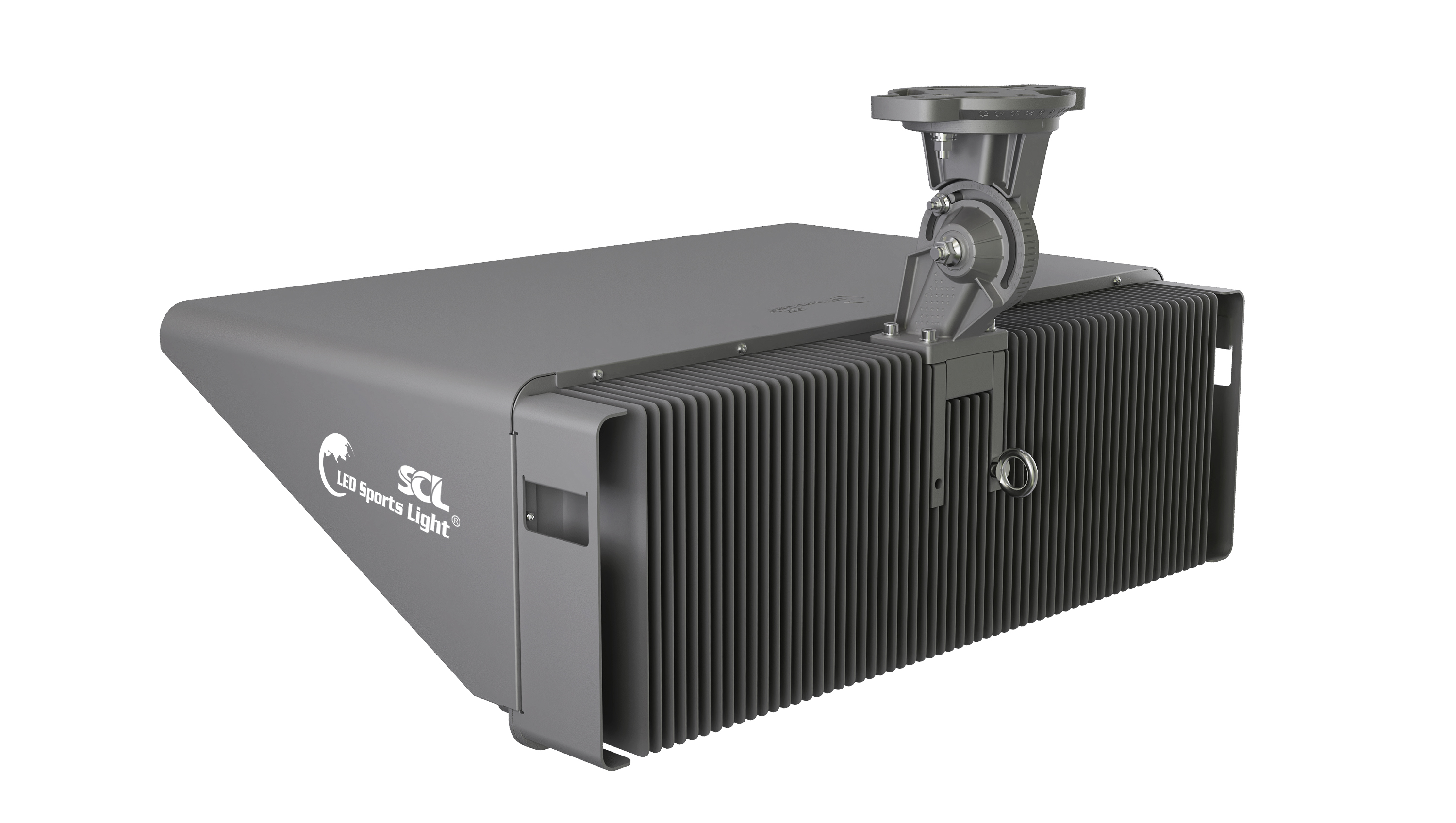
1. Why Do High-Power LED Sports Lights Generate Heat?
LEDs convert electrical energy into light, but not all the input energy becomes visible light. A portion is converted into heat within the LED package and other electrical components.
The higher the electrical load, the more important it becomes to manage the resulting thermal energy.
In a high-power sports luminaire, heat can be generated by several components:
· LED chips and modules
· LED drivers
· Electrical connections
· Other electronic components
If this heat cannot be transferred away effectively, the internal operating temperature may increase.
Thermal management is therefore a fundamental part of luminaire engineering, particularly for high-power products installed in large sports venues.
2. How Does Excessive Heat Affect LED Sports Lighting Performance?
Operating temperature can influence the performance and reliability of LED sports lighting equipment.
Several factors should be considered.
LED luminous output
LED performance is temperature-dependent. Higher junction temperatures can reduce light output under certain operating conditions.
Component lifetime
Excessive heat can accelerate the degradation of electronic components and may shorten their useful service life.
Driver reliability
The LED driver is an important part of the lighting system. Its operating temperature and thermal environment can influence reliability.
Long-term maintenance
When components operate under excessive thermal stress, the likelihood of premature failures may increase, potentially resulting in additional maintenance costs.
The actual impact depends on component quality, thermal design, operating conditions and the manufacturer’s specifications.
This is why buyers should evaluate thermal performance rather than relying solely on rated wattage or product appearance.
3. How Does an LED Sports Light Dissipate Heat?
Most high-power LED sports lights use a combination of thermal conduction and convection to transfer heat away from internal components.
The basic process involves several stages:
1. Heat is generated by the LED chips and electronic components.
2. Thermal interfaces transfer heat toward the heat-dissipation structure.
3. The housing and heat sink distribute the heat across a larger surface area.
4. Air movement around the luminaire helps remove heat from the external surfaces.
A well-designed thermal structure should provide an effective heat-transfer path while maintaining the mechanical strength and environmental protection of the luminaire.
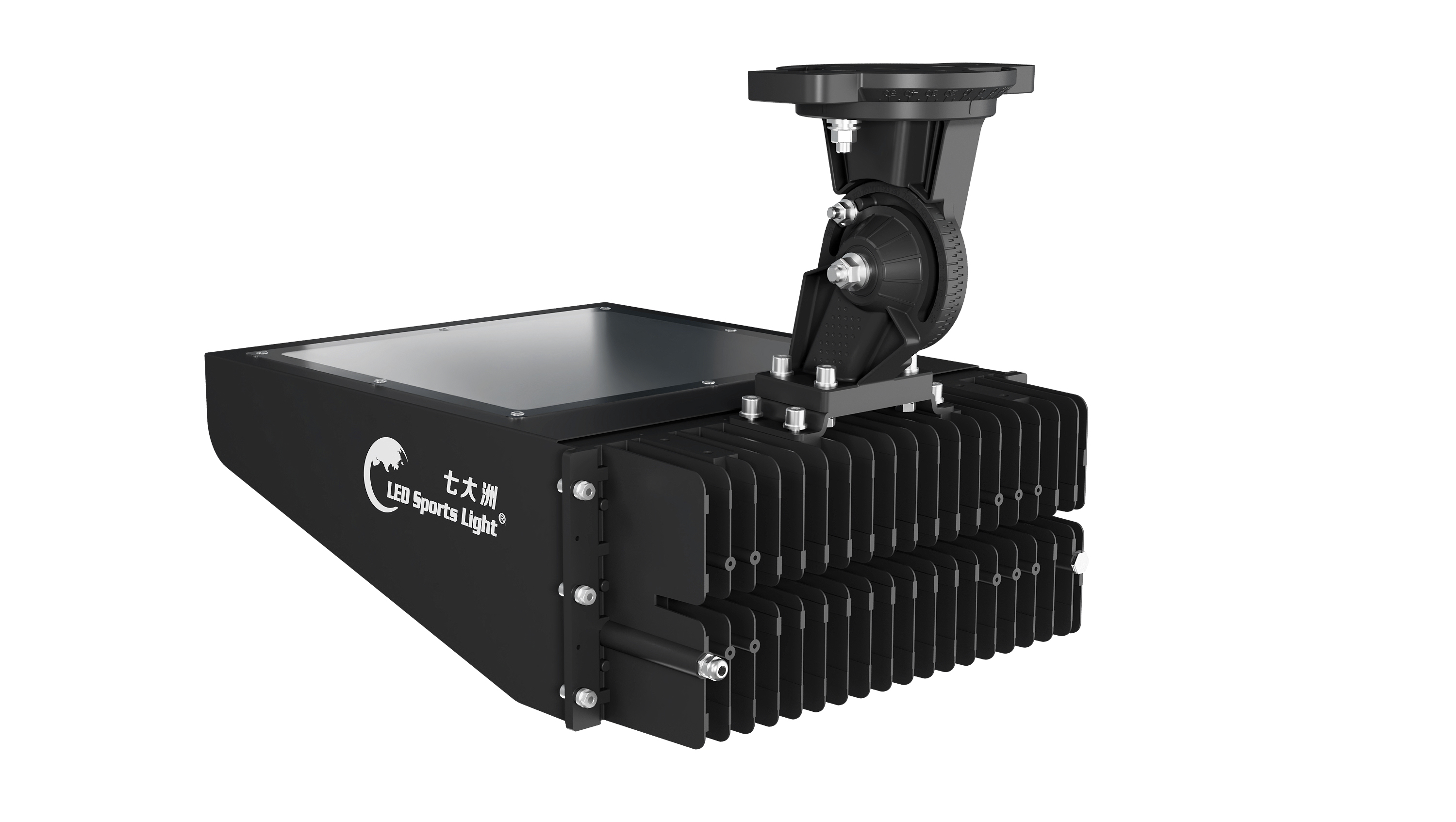
4. Why Does Heat Sink Design Matter?
The heat sink is one of the most important components of a high-power LED luminaire.
Its function is to increase the effective surface area available for heat dissipation and help transfer thermal energy into the surrounding air.
Several design factors influence heat sink performance.
Material selection
Aluminum alloys are widely used in LED sports lighting because of their thermal conductivity, relatively low weight and suitability for manufacturing.
Surface area
A larger effective heat-dissipation surface can support heat transfer, provided that the structure also allows adequate airflow.
Structural geometry
The shape, spacing and arrangement of heat-dissipation features affect airflow and thermal performance.
Thermal contact
The connection between LED modules and the heat sink is also important. Poor thermal contact can create additional thermal resistance.
A well-engineered heat sink should balance heat dissipation, product weight, structural strength and manufacturing requirements.
5. Why Outdoor Sports Lighting Needs Additional Thermal Considerations
Outdoor stadium luminaires operate under changing environmental conditions.
In addition to the heat generated internally, ambient temperature, solar radiation, wind conditions and installation arrangements may affect the overall thermal environment.
For outdoor sports lighting projects, engineers should consider:
· Maximum and minimum ambient temperatures
· Direct sunlight exposure
· Airflow around installed luminaires
· Mounting orientation
· Dust accumulation on external surfaces
· Protection against rain and moisture
· Accessibility for inspection and maintenance
For example, a luminaire installed in a hot climate may experience a different thermal environment from one installed in a cooler region.
Product selection should therefore consider the actual operating environment rather than relying on laboratory conditions alone.
6. How Can Buyers Evaluate the Thermal Performance of LED Sports Lights?
For international buyers, it can be difficult to judge thermal performance by looking at product photographs or general specification sheets.
A more reliable evaluation should include technical documentation.
LED junction temperature information
Ask the manufacturer how the LED junction temperature is evaluated under specified operating conditions.
Temperature rise testing
Thermal testing can help assess how the luminaire behaves after reaching thermal equilibrium under defined test conditions.
Driver temperature
The operating temperature of the LED driver should also be considered, including its temperature limits and installation conditions.
Operating ambient temperature
Check the manufacturer’s declared ambient temperature range and ensure it is suitable for the project location.
Thermal design details
Ask about the heat sink material, structural design and heat-transfer path.
Relevant test documentation
Request applicable product test reports and confirm that the documents correspond to the actual model being quoted.
It is important to distinguish between measured test results, manufacturer specifications and general design descriptions.
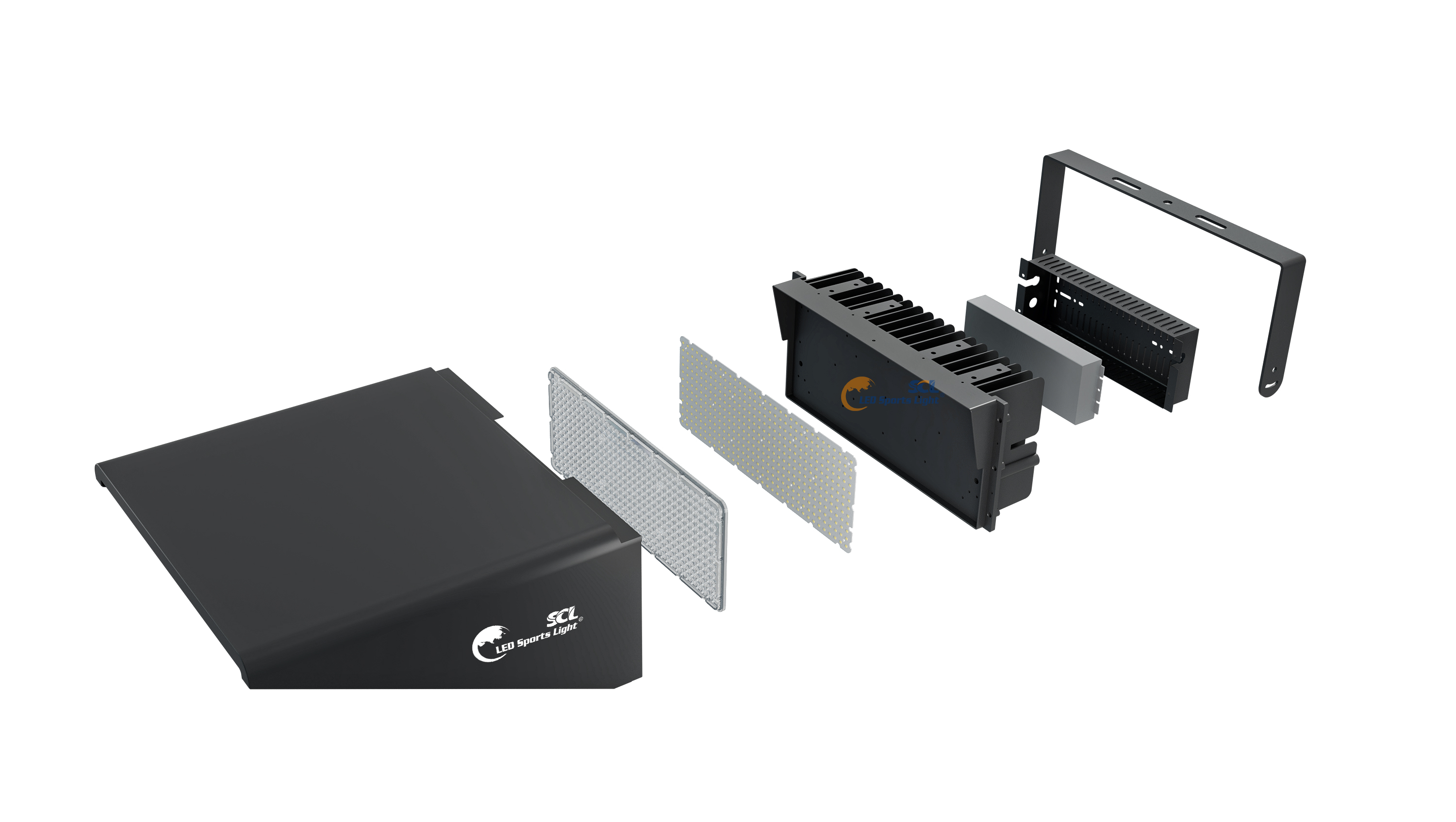
7. Thermal Management Should Be Considered Together with Other Product Features
Heat dissipation is important, but it is not the only factor determining the suitability of a high-power LED sports light.
Buyers should also evaluate the complete luminaire design.
Optical performance
The optical system should provide suitable light distribution for the intended sports venue.
Environmental protection
For outdoor installations, the enclosure protection rating should be appropriate for the exposure conditions.
Mechanical construction
Housing strength and mechanical protection should be considered according to the installation environment.
Electrical performance
The driver, power factor, surge protection and electrical compatibility should be checked.
Maintenance requirements
The design should allow practical inspection and component replacement where necessary.
A reliable sports lighting product is the result of coordinated optical, thermal, electrical and mechanical engineering.
8. How SCL Sports Lighting Approaches Thermal Design
SCL Sports Lighting develops professional LED sports lighting products for sports venues, including high-power luminaires used in football stadiums and other large-scale sports facilities.
Its product design incorporates a matrix-style aluminum heat-dissipation structure to support thermal management.
This structural approach is intended to provide an effective heat-transfer surface while maintaining the mechanical requirements of the luminaire.
However, the actual thermal performance of any product should be evaluated using model-specific specifications and relevant test data.
For buyers considering high-power LED sports lights, it is important to review the thermal design together with the optical distribution, electrical configuration and environmental protection of the complete product.
Conclusion
Thermal management is a critical consideration in high-power LED sports lighting.
An effective thermal design helps control operating temperatures and supports the reliable operation of LED chips, drivers and other electronic components.
For stadium owners, lighting contractors and international buyers, selecting a sports light should involve more than comparing wattage and luminous output.
Heat sink design, operating temperature, component quality and relevant test documentation all deserve attention.
A well-designed LED sports luminaire should deliver the required lighting performance while managing heat effectively under its intended operating conditions.
https://www.stadiumlight.com/
GUANGDONG SEVEN CONTINENTS INDUSTRIAL CO., LTD -
AuthorPosts

- You must be logged in to reply to this topic.