
- This topic is empty.
-
AuthorPosts
-
2026-08-31 at 11:15 am #9141
Live performance places a demand on power that few other applications do: the supply has to be clean and quiet during the show itself, because the audience hears everything the equipment does. A generator running behind a stage is audible in quiet passages and its output can carry into sensitive audio and lighting systems. From a procurement perspective that makes power quality and silence the governing requirements. MPMC POWERTECH CORP., established in 2008 and headquartered in Shanghai Pudong, publishes an HBD-R mobile storage series designed for this class of duty.
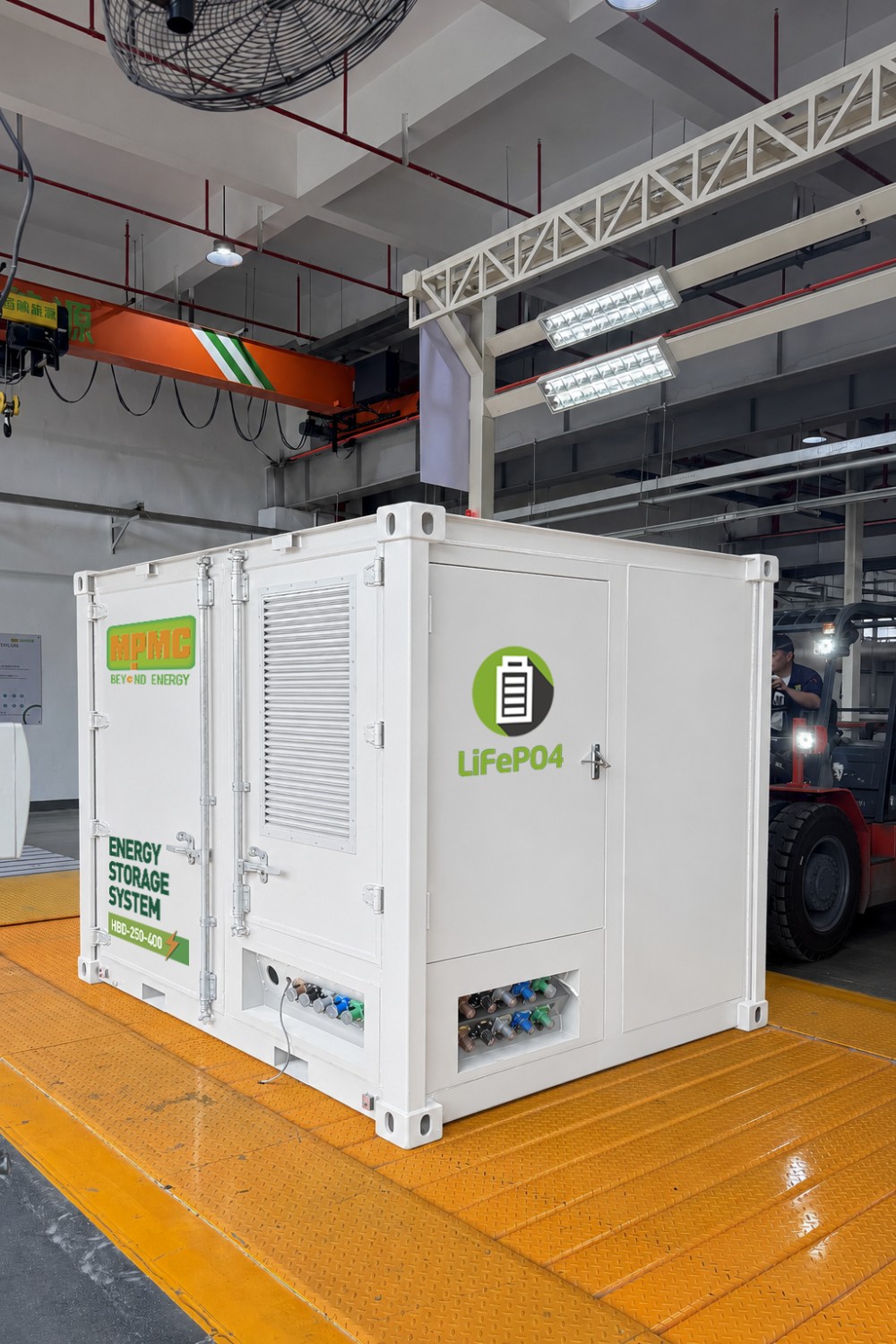
MPMC HBD-R Series battery energy storage system — HBD-250-400
Silence During the Performance Is Absolute
An enclosure reduces engine noise; it does not remove it. During a performance the only reliable way to eliminate it is to stop the engine and run from stored energy, which produces no mechanical noise at all. That is the property a concert is actually buying.
The working pattern follows from the schedule. The engine runs during load-in, sound checks and after the audience leaves, both serving the site and recharging the battery; during the performance itself it stops and the storage carries the load. MPMC’s published United Kingdom construction case demonstrates the same arrangement across a restricted period, using six 30 kW / 60 kWh units with the generator recharging only during permitted hours. That case is a construction site, so a concert’s load and timings should be modelled on their own terms.
Power Quality Matters as Much as Silence
Audio consoles, radio equipment, lighting control and broadcast systems are sensitive to disturbance, and a brief interruption during a performance is not recoverable. MPMC lists seamless on-grid and off-grid switching as standard on the HBD-R series, with millisecond-level transient smoothing.
That transient response also addresses a second problem. Stage lighting and motor loads produce step changes that a generator alone answers with a momentary excursion; storage absorbing those steps keeps the supply steady for everything else connected to the same board.
Sizing to the Show Rather Than the Site
Input
Why it governs
What to establish
Show duration
Sets the silent period to be covered
Set times including support acts and changeovers
Load during the show
Usually a subset of full site demand
Which circuits must run while the engine is stopped
Largest step load
Must be carried without the engine
Lighting and motor inrush on those circuits
Recharge window
Storage must refill before the next show
Hours when the engine may run
Multi-day events
Consumption accumulates across days
Daily energy against nightly recharge capacity
MPMC lists the HBD-R range from the HBD-30-60 at 30 kW with 61.44 kWh and the HBD-50-100 at 50 kW continuous with 112.5 kWh, rising to 610 kW with 610.6 kWh. Rated power and capacity both have to clear the requirement: power for the show load and its step changes, capacity for the length of the performance.
Working Alongside Generators Already Hired
An event rarely controls its own generation. Sets are commonly supplied by a hire company or the venue, and storage added alongside has to communicate with whatever controllers those sets carry.
MPMC lists the HBD-R series as compatible with DSE, ComAp, DEIF, Woodward, Smartgen and CAT EMCP controllers. That compatibility should be confirmed against the specific sets the event will use, because it determines whether the two operate as one system with a managed handover or simply as two machines on a busbar.
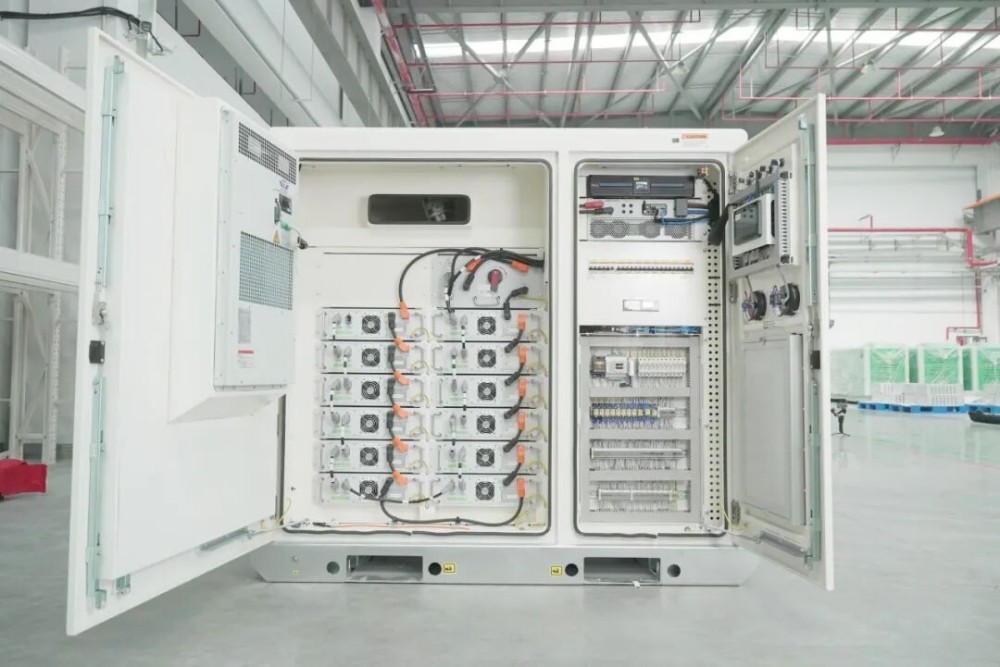
MPMC HBD-R Series battery energy storage system
Standing Near an Audience
Equipment placed where the public can approach it brings the safety case forward. MPMC lists aerosol fire suppression to CE on smaller HBD-R models, with larger units adding an off-gas detector and a water spray inlet, and describes the series as ruggedised and easy to maintain.
Venues, insurers and licensing authorities frequently ask for that documentation in advance of the event, so the applicable set should be obtained during planning. Positioning should also account for cable routes, crowd flow and sightlines rather than electrical convenience alone.
Reduced Fuel and Fewer Deliveries
Beyond silence, running the engine only outside performance hours removes the hours it would otherwise spend lightly loaded. MPMC cites fuel reduction of up to 75% against diesel-only operation in low-load conditions, and its published construction case records refuelling moving from every two days to every seven on a lightly loaded set.
Those figures belong to those installations, and an event’s saving follows its own load and schedule. The transferable point for a festival site is that fewer refuelling movements during an event is an operational benefit as well as a cost one.
Touring and Repeated Deployment
A concert asset rarely stays in one place. It travels between venues on a schedule, is connected by crews who did not commission it, and has to be ready again the following evening. MPMC describes the HBD-R series as purpose-built for the rental market with ruggedised design and easy maintenance, which is the property that matters across a tour rather than at any single show.
Between dates the condition of the asset depends on how it is stored and transported. State of charge during standing periods, ambient conditions and the handling arrangement all affect what it delivers at the next venue, and they are worth agreeing with the supplier rather than improvising across a run of dates.
Live Event Confirmations
• Establish the exact performance hours the supply must be silent.
• Identify which circuits run during the show and their largest step load.
• Specify seamless switching, since an interruption during a performance is unrecoverable.
• Confirm controller compatibility with the generator sets the event will hire.
• Check the recharge window against the hours the engine may run.
• For multi-day events, test daily energy against nightly recharge capacity.
• Obtain safety documentation for the venue, insurer or licensing authority in advance.
• Plan positioning around cable routes, crowd flow and sightlines.
https://www.mpmc-group.com/
MPMC Powertech Corp. -
AuthorPosts

- You must be logged in to reply to this topic.