
- This topic is empty.
-
AuthorPosts
-
2026-06-04 at 10:27 am #7728
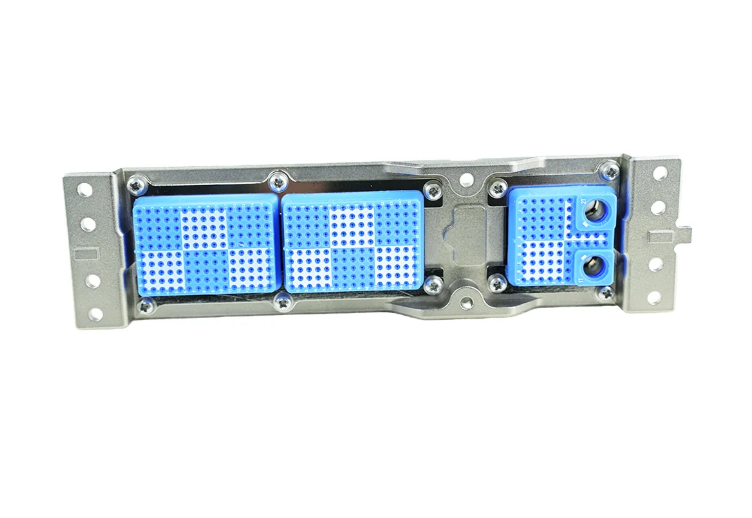
Rectangular connectors play a critical role in modern electronic and electrical systems. They are extensively used in industrial automation, transportation networks, aerospace platforms, defense equipment, medical devices, and energy infrastructure. In these demanding environments, connector reliability directly affects overall system performance.
To guarantee safety, durability, and regulatory compliance, rectangular connectors are often designed according to three major standards systems: UL, IEC, and MIL-SPEC. Although these standards share certain objectives, each focuses on different aspects of performance and certification.
This article explains the key differences between UL, IEC, and MIL-SPEC requirements, highlights their areas of overlap, and discusses how connector manufacturers such as Dconntek address compliance challenges in harsh operating environments.
Why Connector Standards Are Important
A rectangular connector serves as much more than a simple electrical interface. Its design influences multiple critical factors, including:
-
Electrical insulation performance
-
Fire and flame resistance
-
Current transmission capability
-
Environmental protection
-
Mechanical reliability
-
EMI and RFI shielding effectiveness
Selecting connectors that do not align with the required standards can lead to product approval delays, unexpected failures, increased maintenance costs, or expensive redesign efforts. Proper standard selection helps improve long-term reliability while simplifying certification processes.
UL Standards: Focused on Electrical Safety
UL (Underwriters Laboratories) is one of the most recognized safety certification organizations in North America. Products entering the U.S. and Canadian markets often require UL-compliant components.
Primary Areas Covered by UL
For rectangular connectors, UL evaluations typically address:
-
Flammability classifications such as UL94
-
Electrical insulation capability
-
Current and voltage ratings
-
Temperature rise during operation
-
Creepage and clearance requirements
In industrial control systems, machinery, and power distribution equipment, UL-recognized connectors help manufacturers meet safety regulations and simplify overall product certification.
Design Considerations for UL Compliance
Engineers designing UL-compliant systems should carefully evaluate:
-
Insulation material properties
-
Contact materials and plating specifications
-
Wire size compatibility
-
Product identification and traceability
Even when UL approval is not mandatory, many OEMs prefer UL-recognized components to reduce regulatory complexity during system certification.
IEC Standards: Supporting Global Markets
The International Electrotechnical Commission (IEC) develops standards that are widely adopted throughout Europe and many international regions.
IEC standards for rectangular connectors commonly address:
-
Electrical characteristics
-
Mechanical performance
-
Environmental testing procedures
-
Corrosion resistance
-
Humidity and temperature exposure
-
Ingress protection (IP) ratings
-
Dimensional interchangeability
UL and IEC: Understanding the Difference
Although both frameworks aim to improve safety and performance, their approaches differ.
UL standards are primarily centered on product safety certification and third-party verification for North American markets.
IEC standards focus on establishing internationally accepted testing methods and performance requirements that can be applied across multiple regions.
In many global projects, manufacturers first design products according to IEC requirements and then pursue UL certification when North American market access is required.
MIL-SPEC Standards: Built for Extreme Conditions
MIL-SPEC (Military Specification) standards were developed for U.S. military and defense applications. These requirements are known for their exceptionally demanding environmental and durability criteria.
For rectangular connectors, MIL-SPEC testing may include:
-
Vibration resistance
-
Mechanical shock testing
-
Salt spray exposure
-
Corrosion resistance
-
Moisture sealing
-
Dust protection
-
Extended temperature operation
-
High-cycle mating durability
Common Industries Using MIL-SPEC Connectors
MIL-SPEC rectangular connectors are frequently found in:
-
Aerospace systems
-
Military communications equipment
-
Naval platforms
-
Defense vehicles
-
Rugged industrial machinery
Unlike safety-focused standards, MIL-SPEC requirements are primarily concerned with long-term operational reliability under severe environmental conditions.
A MIL-SPEC-qualified connector may be expected to function reliably despite:
-
Desert temperatures
-
Arctic environments
-
High-altitude operation
-
Constant vibration
-
Strong electromagnetic interference
For this reason, many transportation and industrial sectors adopt MIL-SPEC-inspired requirements even when military certification is not formally required.
Areas Where the Standards Overlap
Although UL, IEC, and MIL-SPEC serve different purposes, they share several common performance objectives.
Requirement UL IEC MIL-SPEC Electrical Safety Strong Focus Strong Focus Required Flammability Extensive Limited Application Dependent Environmental Protection Moderate IP-Based Highly Stringent Vibration Resistance Limited Moderate Extensive Shock Resistance Limited Moderate Extensive Documentation & Traceability Required Required Highly Detailed The most appropriate standard depends largely on the operating environment and target market.
Standards Compliance Alone Does Not Guarantee Reliability
Passing certification tests is only one part of ensuring connector performance.
Field failures can still occur if:
-
Cable strain relief is inadequate
-
Mating cycles exceed design assumptions
-
Thermal loads are underestimated
-
Installation conditions differ significantly from test environments
-
Custom contact arrangements introduce mechanical stress
This highlights the importance of engineering collaboration during connector selection and customization.
Dconntek specializes in the design and assembly of custom connector and cable solutions for demanding applications. By working closely with customers, the company develops interconnect systems that not only satisfy regulatory requirements but also address real-world operating conditions.
Additional product details are available here:
Rectangular Connector
https://www.dconntek.com/Rectangular-ConnectorBalancing Customization with Compliance
Standard products rarely satisfy every project requirement. Many applications require customized connector solutions such as:
-
Special contact layouts
-
Mixed power and signal configurations
-
Enhanced EMC shielding
-
Overmolded cable assemblies
-
Improved sealing performance
-
High-current contacts
-
Reduced size and weight
The challenge is implementing these modifications without compromising certification requirements.
Engineering teams must carefully evaluate:
-
Contact resistance
-
Thermal behavior
-
Mechanical retention strength
-
Shielding continuity
-
Potential ingress paths
Dconntek's engineering-driven approach combines rapid support, application consultation, and manufacturing expertise to help customers achieve both compliance and long-term reliability.
Industry Application Examples
Industrial Automation
Factory automation equipment often requires:
-
IEC-compliant environmental protection
-
UL-recognized components for North American markets
-
Strong vibration resistance near motors and robotics
Even if electrical ratings are adequate, poor mechanical support can significantly reduce connector lifespan.
Railway and Transportation Systems
Transportation applications commonly demand:
-
Extended operating temperatures
-
Fire safety performance
-
Long service life
-
Enhanced vibration resistance
As a result, designs frequently combine IEC testing with MIL-SPEC-inspired durability requirements.
Aerospace and Defense
Aerospace and military systems typically prioritize MIL-SPEC compliance, including:
-
Shock resistance
-
Thermal cycling
-
Salt fog testing
-
Corrosion resistance
-
High mating-cycle durability
Reliability requirements are particularly stringent because connector failures may affect mission-critical operations.
Choosing the Appropriate Standard Strategy
When evaluating rectangular connectors, engineers should consider several key questions:
-
Which markets will the product enter?
-
Is UL certification required?
-
Are IEC standards necessary for international compliance?
-
Does the application require military-grade durability?
-
Are vibration or EMI concerns present?
-
Will custom connector configurations be needed?
Many modern projects combine multiple standards simultaneously, including:
-
UL-approved materials
-
IEC environmental testing
-
MIL-SPEC mechanical validation
Manufacturers with broad compliance experience can help integrate these requirements into a unified connector solution.
Maintaining Quality Throughout Production
Connector compliance extends beyond successful prototype testing. Consistent manufacturing quality is equally important.
Critical production factors include:
-
Controlled plating processes
-
Consistent crimp quality
-
Verified assembly torque
-
Full batch traceability
-
Ongoing inspection procedures
In harsh-environment applications, even minor variations in materials or assembly processes can significantly impact long-term reliability.
Dconntek places strong emphasis on process control, quality consistency, and responsive production support. Through close cooperation with customers throughout development and manufacturing, the company helps ensure that finished products perform reliably in demanding field conditions.
Conclusion
UL, IEC, and MIL-SPEC standards each play a unique role in defining the safety, performance, and durability requirements of rectangular connectors.
-
UL focuses on electrical safety and North American certification.
-
IEC promotes globally recognized testing and performance standards.
-
MIL-SPEC emphasizes ruggedness and reliability under extreme conditions.
Selecting the right standard—or combination of standards—requires a clear understanding of both regulatory obligations and application environments.
Ultimately, long-term connector performance depends not only on meeting certification requirements but also on thoughtful engineering, appropriate material selection, and disciplined manufacturing processes. When these elements work together, rectangular connectors can provide dependable operation even in the most challenging environments.
http://www.dconntek.com
Dconntek -
-
AuthorPosts

- You must be logged in to reply to this topic.