
- This topic is empty.
-
AuthorPosts
-
2026-03-30 at 3:01 pm #6738
Introduction: When “Looking Good” Is No Longer the Only Standard
There was a time when pet accessory design followed a simple logic: if owners thought it looked good, it was good design. So we saw dogs wearing matching floral dresses made of stiff fabric that made them walk awkwardly, and cats sporting rhinestone-studded collars so heavy they kept their heads low, rubbing against the floor.
As a pet product manufacturer, we’ve witnessed this quiet shift—from prioritizing human aesthetics to respecting pet comfort. It’s not a revolution, but a gentle return to what matters: putting the pet at the center of design. Because true beauty lies in how comfortable they feel.
Chapter 1: Once Upon a Time, We Dressed Pets in Human Aesthetics
In the early days of pet fashion, the design logic was simple: shrink human clothing and put it on pets.
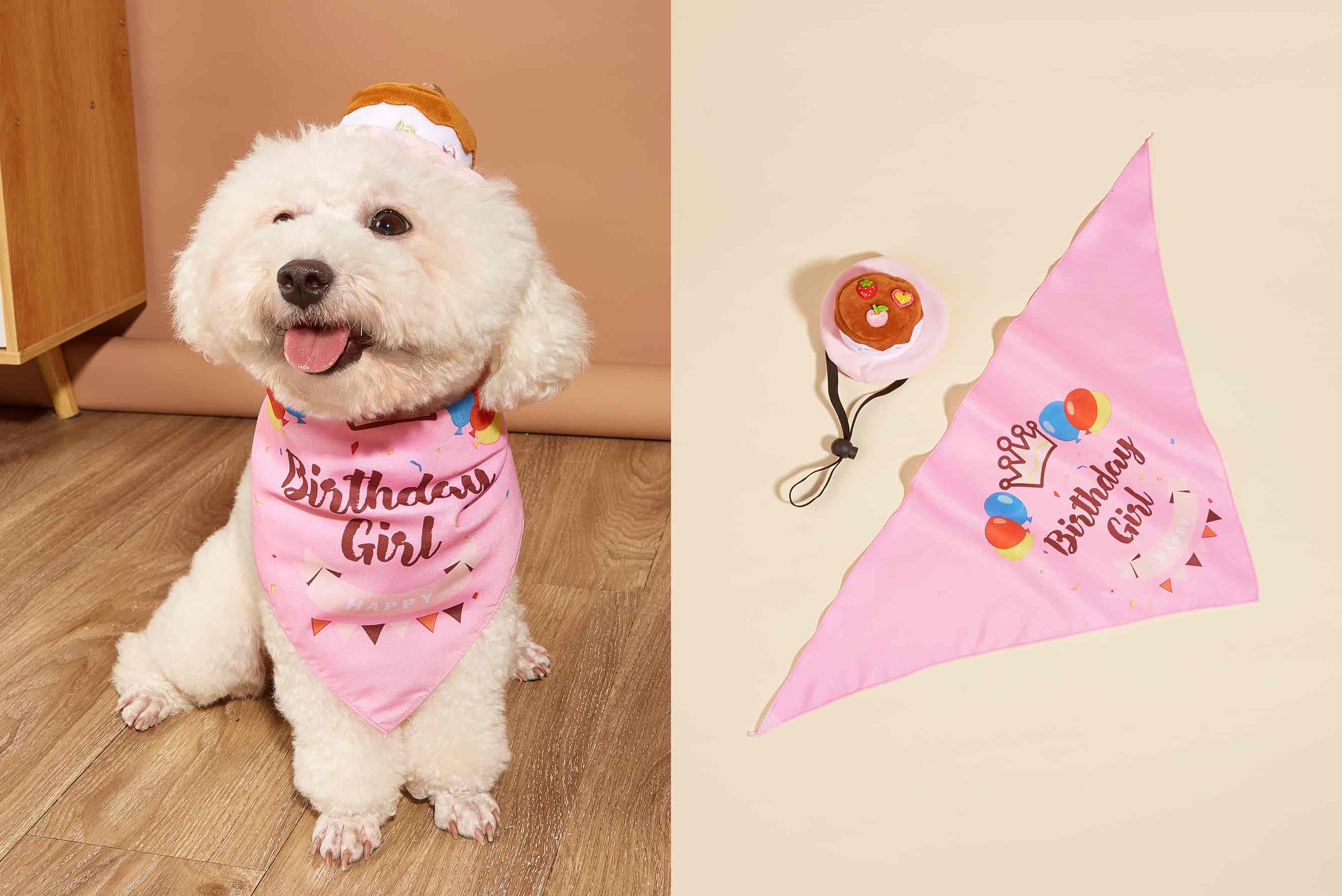
Common “design flaws” from that era:
-
Stiff fabrics: To achieve crisp silhouettes, heavy cotton or even interlining was used. The result? Fabrics chafed under the armpits, causing skin irritation.
-
Excessive embellishments: Sequins, rhinestones, metal chains—beautiful, but often chewed, swallowed, or caught on objects, creating safety hazards.
-
Ill-fitting cuts: Human collar and sleeve structures were directly scaled down, ignoring the vastly different skeletal structure and movement patterns of dogs and cats.
-
Poor dressing experience: Complicated ties and hidden snaps turned every dressing session into a struggle, making pets resistant to wearing anything.
The reason behind this was simple: the design perspective was human-centered. Owners made the purchasing decisions, so design naturally prioritized their aesthetic preferences. The wearing experience of the pet was often a secondary concern.
Chapter 2: A Shift Is Happening – From “Looks Good on Them” to “Feels Good to Them”
In the past two years, we’ve noticed a clear change in market sentiment. More and more owners are asking questions like:
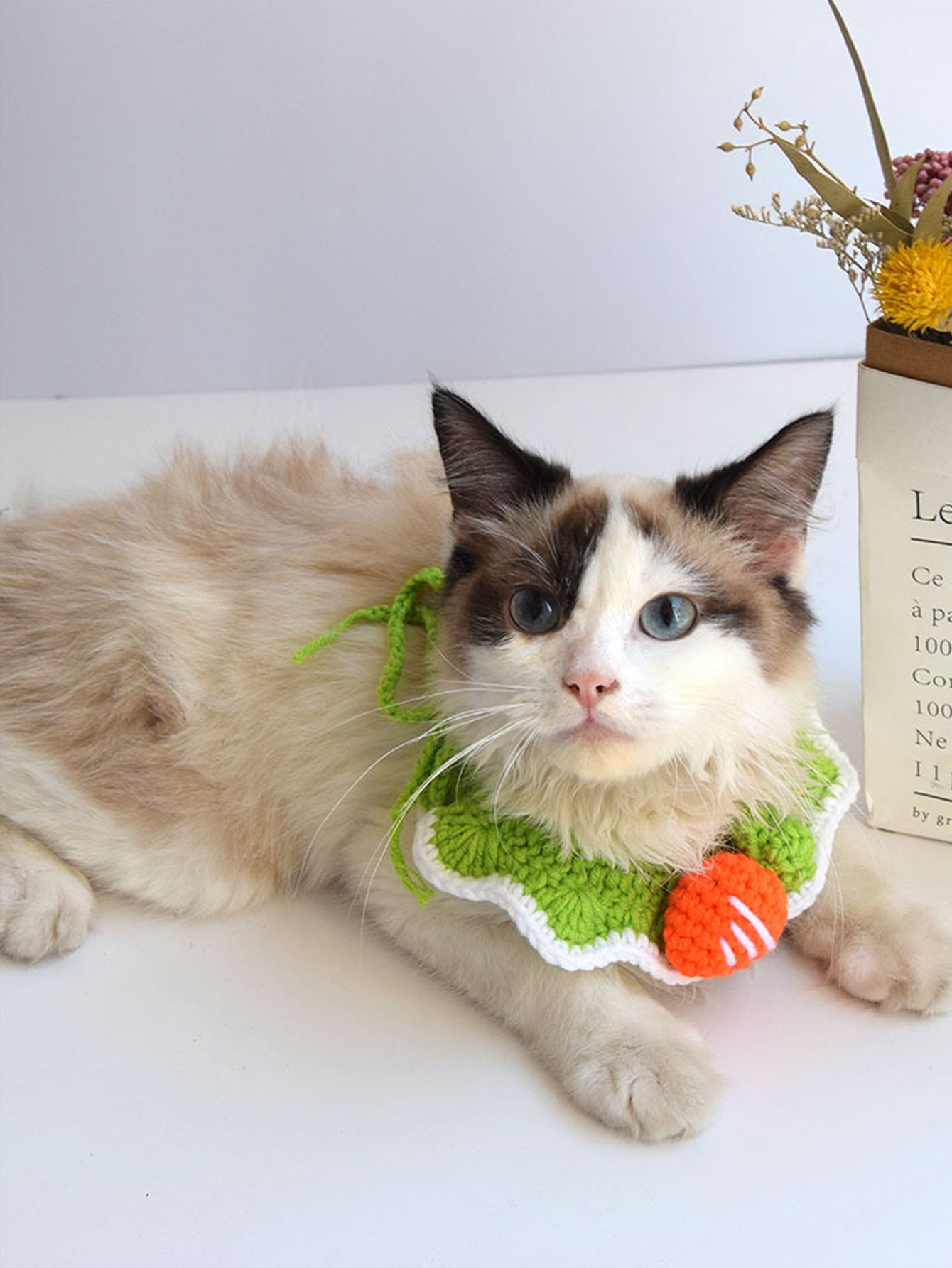
“Is this fabric soft? Will it rub against the skin?”
“My dog loves to run—will this restrict movement?”
“He’s always licking things. Are the dyes safe?”
“Is it easy to put on and take off? My dog hates being handled.”
Behind these questions lies an evolution in understanding: pets are not accessories to be displayed. They are living beings with feelings and needs. “Looking good” still matters, but it’s no longer the sole—or even the top—priority.
Three key trends we’ve observed:
1. Fabric Selection: From Structured to Breathable & Skin-Friendly
The focus has shifted from stiff, structured fabrics to softness, breathability, and moisture-wicking properties. Natural materials like cotton, bamboo fiber, and organic cotton are now mainstream. Even at a higher price point, owners are willing to pay for their pet’s comfort.
2. Embellishments: From Ornate to Minimal
Hard embellishments like sequins and rhinestones are gradually being replaced by flat decorations such as prints, embroidery, and woven labels. These offer the same visual appeal without the safety risks.
3. Fit: From Shrunken Human Clothing to Pet-Specific Cuts
Design is no longer about scaling down human garments. Instead, it’s based on the skeletal structure and movement habits of dogs and cats. For example, cat neck wraps are designed looser and easier to break away from in case of snagging. Drool bibs for small dogs use lighter materials to reduce neck strain.
Chapter 3: As a Manufacturer, How We Balance Aesthetics and Comfort
As makers, we understand that a great pet accessory must satisfy two “clients”—the owner who makes the purchase, and the pet who wears it.
Structural Design: Let the Pet Forget It’s There
Our design goal is simple: after putting it on, the pet should barely notice it.
-
Freedom of movement: Key areas like the neck and underarms are designed with ample room, ensuring no restriction when running, jumping, or lowering the head to drink.
-
Data-driven fit development: Before developing any new product, we collect extensive data—measuring neck circumference, chest circumference, and neck length across breeds (Poodle, Corgi, French Bulldog, Golden Retriever, etc.), and analyzing movement patterns. Small dogs like to burrow; large dogs love to run; brachycephalic breeds need looser neck room for easier breathing.
-
Dressing experience: We’ve developed multiple fastening methods to suit different temperaments:
-
Snap-button style: For calm, steady pets—secure and reliable.
-
Slip-on style: For pets that dislike being handled—simply slide on, no complicated straps.
Every design is repeatedly tested for ease of dressing and undressing, turning what used to be a battle into a moment of connection.
Conclusion: Comfort Is the Highest Form of Style
We’ve always believed that a drool bib a dog constantly tries to shake off or scratch away—no matter how beautiful—is not a good design. But an accessory that makes the owner think, “They look so good today,” while the pet goes about their day completely unaware—that’s a true success.
Pet fashion has never been about “dressing pets as humans.” It’s about using our aesthetic sense to respect and care for their bodies and feelings. When comfort becomes the starting point, beauty follows naturally—because a relaxed, unburdened pet is the most beautiful sight there is.
As a manufacturer, we remain committed to this design philosophy: pet-first comfort, beauty as a natural result. Because the best accessory is one the pet forgets they’re wearing—leaving only the joy of time spent with their human.
http://www.dogfavors.com
dogfavors -
-
AuthorPosts

- You must be logged in to reply to this topic.