
- This topic is empty.
-
AuthorPosts
-
2026-03-06 at 3:21 pm #6475
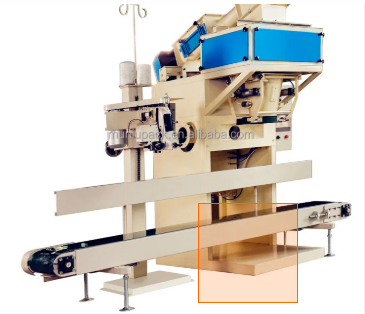
Big bag filling packing machines, also known as jumbo bag filling systems, are essential in industries such as cement, chemicals, minerals, and food processing. These machines handle high-volume materials, streamline packaging operations, and ensure consistent bag weights. However, without proper maintenance, even the most advanced machines can suffer from downtime, reduced accuracy, and costly repairs.
Muniu Machinery specializes in high-quality big bag filling packing machines designed for durability, efficiency, and precision. Following proper maintenance routines can significantly extend the lifespan of these machines, improve performance, and ensure safe operation.
1. Understand the Components of Your Filling Machine
Before performing maintenance, familiarize yourself with key machine components:
Filling system: Weighing and dosing mechanisms ensure accurate bag weight.
Conveyors and feeding systems: Move bulk material efficiently into the machine.
Bag clamping and sealing system: Holds bags securely during filling.
Control panel and sensors: Automate operations and monitor machine status.
Pneumatic and hydraulic systems: Operate lifting, clamping, and sealing functions.
Understanding these components allows operators to identify potential issues early and perform preventive care.
2. Conduct Regular Cleaning
Dust and material residue are common in bulk material handling and can accumulate on the machine over time. Key cleaning practices include:
Remove residual powder or granules from the filling area daily.
Wipe down control panels and sensors to prevent interference.
Clean conveyor belts and bag clamps to avoid jams.
Regular cleaning not only prevents contamination but also reduces wear and tear on mechanical parts.
3. Inspect Mechanical Parts Frequently
Wear on moving parts is a primary cause of machine failure. Operators should:
Check conveyor belts, rollers, and pulleys for signs of wear.
Inspect screws, bolts, and joints for loosening.
Examine bag clamping mechanisms for smooth operation.
Lubricate bearings and gears according to manufacturer recommendations.
Routine inspection helps detect minor issues before they become major problems.
4. Maintain Pneumatic and Hydraulic Systems
Pneumatic and hydraulic systems power key machine operations. Proper care includes:
Checking air and oil levels regularly.
Inspecting hoses for leaks or cracks.
Ensuring valves and actuators function correctly.
Replacing worn seals and filters on schedule.
Maintaining these systems prevents inconsistent bag filling, operational delays, and potential damage.
5. Calibrate Weighing and Dosing Systems
Accurate bag weight is critical in industrial packaging. Overfilled or underfilled bags can lead to:
Material waste
Customer complaints
Regulatory compliance issues
Perform routine calibration of weighing sensors and dosing mechanisms according to manufacturer instructions. Muniu Machinery’s big bag filling packing machines are designed for precise calibration and easy adjustment.
6. Check Electrical Components
Electrical issues can halt operations quickly. Maintenance tips include:
Inspect wiring for loose connections or fraying.
Test sensors, relays, and switches for proper function.
Ensure control panels are free from dust and moisture.
Verify emergency stop buttons and safety interlocks work correctly.
Regular electrical checks reduce the risk of unexpected downtime.
7. Replace Worn Parts Promptly
Ignoring worn components can cause cascading failures. Common parts requiring periodic replacement include:
Conveyor belts and rollers
Bag clamps and lifting straps
Seals and gaskets in pneumatic/hydraulic systems
Bearings and bushings in moving assemblies
Using original parts from Muniu Machinery ensures compatibility and maintains machine performance.
8. Train Operators on Proper Usage
Human error is a major factor in machine wear and breakdown. Effective training should cover:
Correct bag placement and handling
Avoiding overloading or improper material flow
Following cleaning and lubrication routines
Understanding alarm and fault indicators
Well-trained operators can detect early signs of trouble and maintain optimal machine operation.
9. Monitor Performance and Record Maintenance
Keeping detailed records of machine use and maintenance schedules helps:
Track wear patterns
Predict component replacement needs
Optimize preventive maintenance plans
Identify recurring issues before they escalate
Performance monitoring combined with documentation ensures the machine operates at peak efficiency for longer periods.
10. Plan Preventive Maintenance
Preventive maintenance is more effective than reactive repairs. Include:
Daily cleaning and inspection
Weekly lubrication and minor adjustments
Monthly system checks (pneumatic, hydraulic, electrical)
Annual calibration and parts replacement
Muniu Machinery provides maintenance guidelines specific to each big bag filling packing machine, making it easier to develop a structured plan.
Conclusion
Extending the lifespan of your big bag filling packing machine requires a combination of regular cleaning, inspection, lubrication, calibration, and proper operator training. By following these maintenance tips, businesses can reduce downtime, maintain high packaging accuracy, and ensure safe operation.
Investing time in preventive care also protects your equipment investment and maximizes the efficiency of your production line. Muniu Machinery’s big bag filling packing machines are engineered for durability and ease of maintenance, helping you achieve consistent, long-term performance in your packaging operations.
http://www.muniupack.com
Muniu -
AuthorPosts

- You must be logged in to reply to this topic.