
- This topic is empty.
-
AuthorPosts
-
2026-04-13 at 3:19 pm #6899
Introduction
As wireless communication technology continues to evolve, IP Mesh Radio systems have become an essential solution for mission-critical applications such as military operations, emergency response, UAV communication, smart cities, and industrial networking. Unlike traditional communication systems, IP Mesh Radio provides decentralized, self-healing, and highly scalable connectivity.
However, one of the most common questions buyers ask is: How much does an IP Mesh Radio system cost?
The answer is not simple. The price of IP Mesh Radio solutions varies widely depending on technical specifications, deployment scale, performance requirements, and system architecture. In this comprehensive price guide, we will break down the key factors that influence cost, typical price ranges, and how to evaluate value when selecting a system.
1. Understanding IP Mesh Radio Pricing Structure
Before analyzing cost factors, it is important to understand that IP Mesh Radio pricing is not based on a single device price alone. Instead, it is usually composed of a system-level cost, including:
-
Mesh radio nodes (handheld, vehicle, UAV, or fixed units)
-
Network management software
-
Antennas and accessories
-
Encryption and security modules
-
Integration and customization services
-
After-sales support and maintenance
This means two systems with similar hardware may have very different total costs depending on software features and deployment complexity.
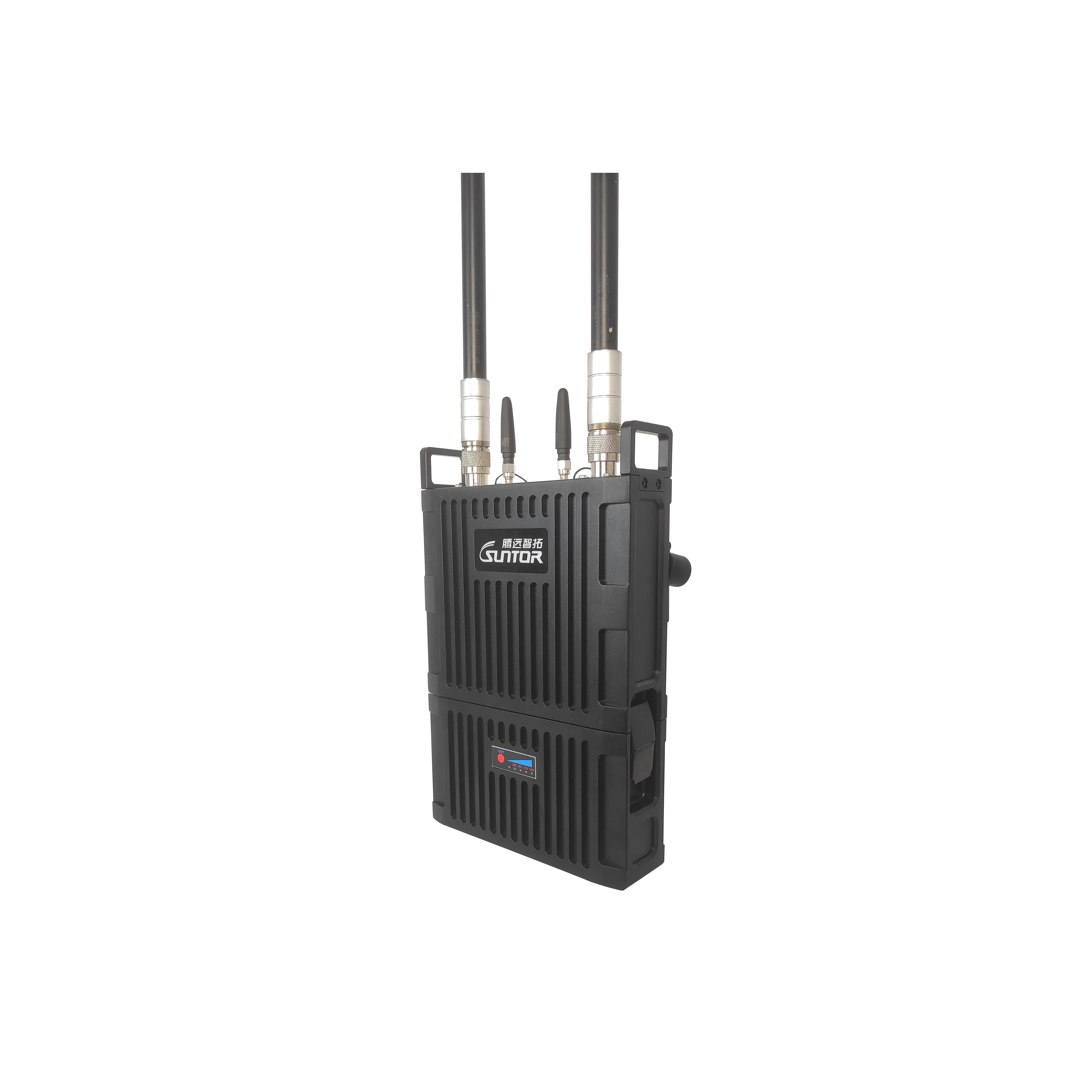
2. Key Factors That Affect IP Mesh Radio Cost
2.1 Hardware Type and Configuration
One of the biggest cost drivers is the type of device used in the mesh network.
Different node types include:
-
Handheld IP Mesh Radios: Portable, lower power, moderate range
-
Backpack/Manpack Systems: Higher battery capacity and extended range
-
Vehicle-Mounted Units: High power output and strong coverage
-
Drone/UAV Mesh Radios: Lightweight and specialized design
-
Fixed Base Stations: High-performance nodes for network backbone
Generally, the price increases with:
-
Transmission power
-
Range capability
-
Ruggedness and durability
-
Battery capacity
For example, a simple handheld unit may cost significantly less than a high-power vehicle-mounted system designed for long-range battlefield communication.
2.2 Network Scale and Number of Nodes
IP Mesh Radio systems are scalable networks, and pricing is heavily influenced by how many nodes are required.
-
Small systems (5–10 nodes): lower cost, simpler architecture
-
Medium systems (10–50 nodes): moderate pricing with more routing complexity
-
Large-scale deployments (50–200+ nodes): significantly higher cost due to network management, routing optimization, and infrastructure design
The more nodes in a system:
-
The more hardware is required
-
The more complex the network configuration becomes
-
The higher the cost of optimization and integration
2.3 Data Rate and Bandwidth Performance
Not all IP Mesh Radios deliver the same performance level.
Higher-cost systems typically offer:
-
Higher throughput (e.g., HD video transmission)
-
Lower latency communication
-
More stable multi-hop performance
-
Better interference resistance
Low-cost systems may be sufficient for:
-
Voice communication
-
Low-resolution data transmission
But advanced applications such as real-time UAV video streaming require high-bandwidth mesh radios, which significantly increase cost.
2.4 Frequency Band and RF Design
The frequency band used also impacts pricing.
Common options include:
-
Lower frequency bands (better penetration, longer range)
-
Higher frequency bands (higher bandwidth, shorter range)
Advanced RF design factors that increase cost include:
-
Adaptive frequency hopping
-
Anti-jamming capabilities
-
Multi-band support
-
Dynamic spectrum allocation
Military-grade or high-security systems with anti-interference capabilities are substantially more expensive than commercial-grade products.
2.5 Encryption and Security Features
Security is a critical cost component in IP Mesh Radio systems.
Basic systems may include:
-
Standard AES encryption (128-bit)
High-end systems may include:
-
AES-256 encryption
-
End-to-end secure routing
-
Anti-jamming and anti-interception technology
-
Custom military-grade security protocols
The more advanced the security system, the higher the cost due to both hardware and software complexity.
2.6 Software and Network Management System (NMS)
Large-scale IP Mesh deployments rely heavily on software platforms.
Cost-influencing software features include:
-
Real-time network monitoring dashboards
-
GIS-based node tracking
-
Remote configuration tools
-
AI-based routing optimization
-
Multi-network integration capabilities
A basic system may include minimal software, while enterprise-grade systems require advanced licensing, which increases total cost significantly.
2.7 Range and Transmission Power
Transmission range is another key pricing factor.
Higher-range systems require:
-
Stronger RF amplifiers
-
Larger antennas
-
Better heat management
-
More energy consumption
Typical pricing increases with:
-
Extended line-of-sight range
-
Non-line-of-sight performance capability
-
Urban obstacle penetration ability
2.8 Environmental Ruggedization
IP Mesh Radios are often used in harsh environments such as:
-
Military fields
-
Mining areas
-
Disaster zones
-
Offshore platforms
Ruggedized features increase cost:
-
Waterproof and dustproof (IP67/IP68)
-
Shock-resistant design
-
Wide temperature operation range
-
Military MIL-STD compliance
The more durable the device, the higher the manufacturing cost.
2.9 Customization and OEM Requirements
Many buyers require customized IP Mesh solutions, which also affects pricing:
Customization may include:
-
Special hardware integration
-
Private protocol development
-
Custom frequency tuning
-
Branding and OEM packaging
-
System integration with drones, cameras, or sensors
Highly customized systems are significantly more expensive than off-the-shelf solutions.
3. Typical IP Mesh Radio Price Ranges (Industry Overview)
Although prices vary by manufacturer and specification, general market ranges are:
-
Entry-level handheld IP Mesh radios: $500 – $1,500 per unit
-
Mid-range tactical systems: $1,500 – $5,000 per unit
-
High-performance military-grade nodes: $5,000 – $15,000+ per unit
-
Complete large-scale systems: $50,000 – $500,000+ depending on deployment size
These figures are only estimates, as system-level integration can significantly change final cost.
4. Hidden Costs Buyers Often Overlook
When purchasing IP Mesh Radio systems, buyers should also consider additional costs:
4.1 Deployment and Installation
-
Site planning
-
Field testing
-
Network optimization
4.2 Training and Operation
-
Operator training programs
-
System usage documentation
4.3 Maintenance and Support
-
Firmware updates
-
Hardware replacement
-
Technical support contracts
4.4 Expansion Costs
-
Adding new nodes
-
Scaling network coverage
-
Upgrading bandwidth capabilities
These costs can sometimes exceed initial hardware investment in large deployments.
http://www.suntor.com
suntor -
-
AuthorPosts

- You must be logged in to reply to this topic.