
- This topic is empty.
-
AuthorPosts
-
2026-07-10 at 3:32 pm #8291
Farmhouse sinks have become a favorite in both contemporary and traditional kitchens. Their deep basins, exposed apron fronts, and practical functionality make them ideal for everything from washing oversized cookware to handling daily meal preparation. However, choosing the right sink is only half the equation—proper installation is what ensures years of reliable performance.
Whether you're renovating your kitchen, designing a new home, or sourcing sinks for a residential project, understanding the fundamentals of farmhouse sink installation can help prevent common issues such as water leaks, cabinet damage, and poor drainage.
Why Farmhouse Sinks Require a Different Installation Approach
Unlike conventional drop-in or undermount sinks, a farmhouse sink features a visible front apron that integrates directly into the cabinetry. This unique design places additional weight on the cabinet structure and requires more precise planning during installation.
A properly installed farmhouse sink offers several long-term benefits:
-
Stable structural support
-
Improved drainage performance
-
Better countertop alignment
-
Reduced risk of water damage
-
Greater durability over years of daily use
Taking time to prepare the cabinet and support system before installation can prevent costly repairs in the future.
Start with Accurate Measurements
Every successful installation begins with careful measurement.
Before ordering or installing a farmhouse sink, verify:
-
Cabinet width and depth
-
Countertop thickness
-
Sink dimensions
-
Plumbing locations
-
Available clearance for the drain assembly
Even small measurement errors can lead to unnecessary cabinet modifications or installation delays. Most manufacturers provide detailed dimension drawings that should always be referenced before cutting cabinetry.
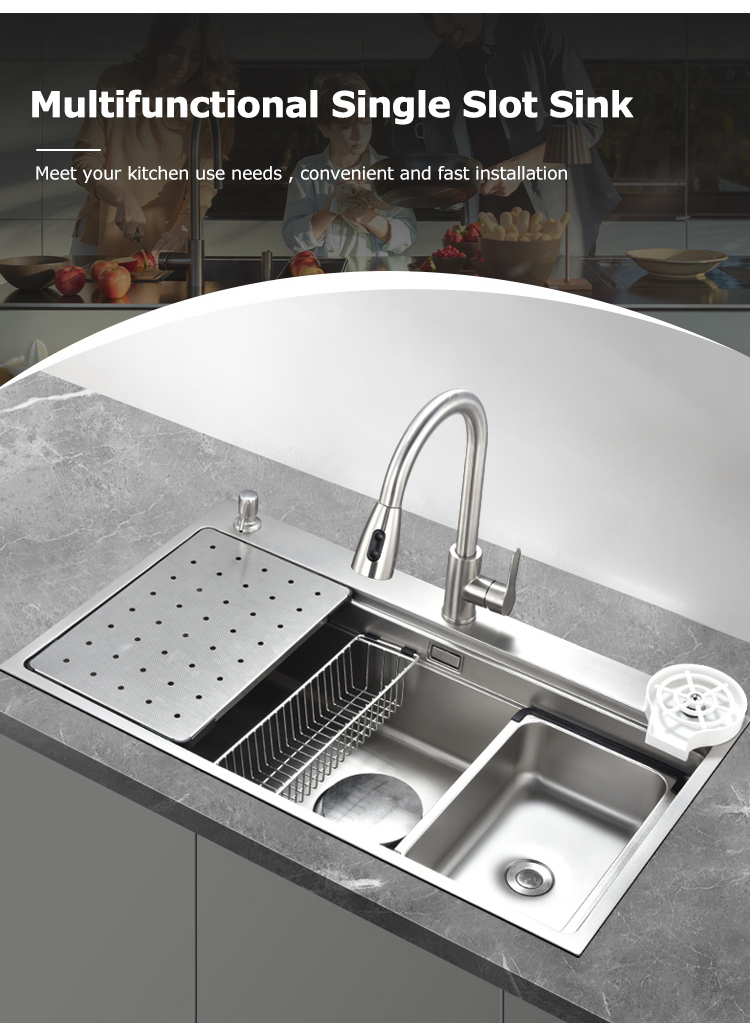
Ensure the Cabinet Can Support the Weight
Farmhouse sinks are significantly heavier than standard kitchen sinks, particularly after they are connected to plumbing and filled with water.
Instead of relying on the countertop alone, the cabinet should include a dedicated support structure. Depending on the installation method, this may consist of:
-
Reinforced wooden framing
-
Horizontal support rails
-
Steel support brackets
-
Strengthened cabinet side panels
A solid support system helps distribute weight evenly and minimizes stress on both the cabinetry and countertop.
Create a Precise Cabinet Opening
Because the front apron remains exposed, the cabinet opening plays an important role in the final appearance.
When preparing the cabinet:
-
Follow the manufacturer's cutting template.
-
Measure twice before cutting.
-
Leave appropriate installation clearance.
-
Keep all edges straight and clean.
A well-fitted opening not only improves aesthetics but also makes installation easier.
Position the Sink Carefully
Once the support frame is complete, place the sink onto the supports and verify that it sits perfectly level.
Pay attention to:
-
Apron alignment
-
Side clearances
-
Drain position
-
Overall stability
Using a spirit level at this stage helps ensure proper drainage after installation.
Install Plumbing with Care
After positioning the sink, install the drain assembly according to the manufacturer's instructions.
Typical components include:
-
Basket strainer
-
Drain pipe
-
Rubber gaskets
-
Sealing rings
Before tightening the fittings, confirm that every gasket is correctly seated. Applying sealant only where recommended can improve waterproof performance without making future maintenance difficult.
Once installation is complete, fill the sink with water and inspect all connections for leaks before closing the cabinet.
Seal the Installation Properly
One of the simplest but most important steps is sealing the gap between the sink and surrounding surfaces.
A continuous bead of high-quality silicone around the sink edges helps prevent water from reaching the cabinet interior, reducing the risk of swelling, mold, or long-term moisture damage.
Allow the sealant to cure fully before regular use.
Why Stainless Steel Remains the Preferred Material
Material selection has a significant impact on both installation and long-term performance.
Among the available options, SUS304 stainless steel continues to be one of the most popular choices because it offers an excellent balance of durability, hygiene, and maintenance.
Excellent Corrosion Resistance
Kitchen sinks are constantly exposed to water, detergents, and acidic foods. High-quality stainless steel resists rust and corrosion while maintaining its appearance over years of use.
Strong Construction
Thicker stainless steel provides greater rigidity and better resistance to dents caused by heavy cookware.
For busy kitchens, this added strength contributes to a longer service life.
Easy Maintenance
Brushed stainless steel finishes help reduce the visibility of fingerprints, water spots, and minor scratches.
Rounded interior corners also make routine cleaning faster by minimizing areas where food residue can collect.
Features That Improve Everyday Performance
Modern farmhouse sinks incorporate a variety of practical design features that enhance daily use.
Common features include:
-
Deep single-bowl designs for large cookware
-
Engineered drain grooves that encourage faster water flow
-
Sound-dampening pads that reduce noise during washing
-
Sloped basin bottoms to minimize standing water
These details may seem small, but together they create a noticeably better user experience.
Common Installation Mistakes to Avoid
Even experienced DIY installers can encounter problems if important steps are overlooked.
Some of the most common mistakes include:
-
Failing to reinforce the cabinet
-
Measuring only once before cutting
-
Installing the sink on an uneven support frame
-
Using insufficient waterproof sealant
-
Overtightening plumbing fittings
-
Skipping a full leak test
Careful preparation and patience during installation usually prevent these issues.
Selecting a Reliable Sink Manufacturer
Installation quality is only one part of the equation. Choosing a well-manufactured sink is equally important.
Professional manufacturers typically provide:
-
Consistent dimensional accuracy
-
High-quality stainless steel materials
-
Precision welding and finishing
-
Comprehensive quality inspection
-
OEM and ODM customization services
Companies such as Winners (WNS) specialize in stainless steel kitchen sinks for residential and commercial applications, offering customized solutions for global distributors, kitchen brands, and project contractors. Working with an experienced manufacturer helps ensure that the product not only looks good but also performs reliably over the long term.
Final Thoughts
A farmhouse sink is more than a design feature—it is one of the hardest-working fixtures in any kitchen. Proper installation lays the foundation for years of dependable performance, while high-quality materials help reduce maintenance and improve everyday usability.
By combining accurate planning, solid cabinet support, careful plumbing installation, and a durable stainless steel sink, homeowners and kitchen professionals can create a functional workspace that is both practical and visually appealing.
Whether you're planning a kitchen renovation or sourcing products for your next project, investing in a well-designed farmhouse sink and installing it correctly will deliver lasting value for years to come.
http://www.wnssink.com
Winners -
-
AuthorPosts

- You must be logged in to reply to this topic.