
- This topic is empty.
-
AuthorPosts
-
2026-10-28 at 2:45 pm #9977
Introduction: What Should Textile Buyers Consider?
For textile manufacturers developing functional clothing and home textiles, selecting antibacterial yarn involves more than comparing product specifications. Buyers need to consider antibacterial effectiveness, washing durability, yarn consistency, fabric comfort, and compatibility with existing production processes.
A yarn may demonstrate antibacterial activity under controlled testing conditions, but manufacturers still need to determine whether it can meet the requirements of the finished product. Processing difficulties or insufficient evidence of long-term performance can affect both production efficiency and customer confidence.
When evaluating high quality silver ion yarn, it is therefore important to look beyond the antibacterial function and assess how well the material fits the intended application.
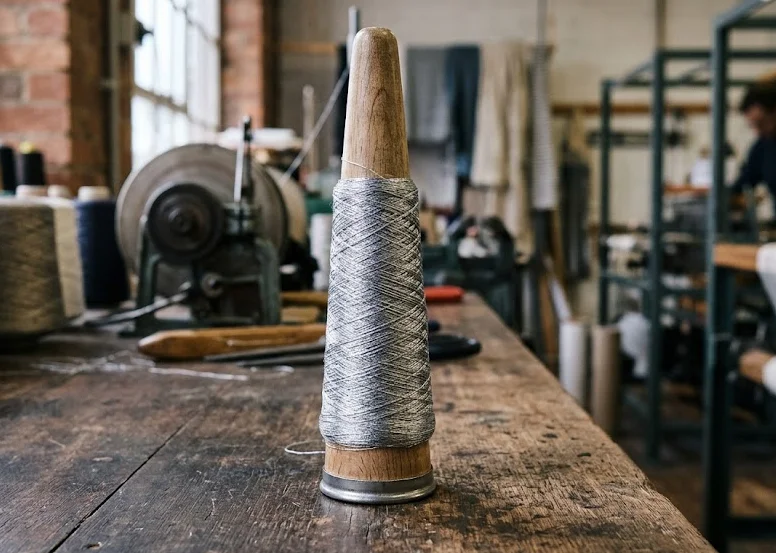
1. Does Silver Ion Yarn Retain Its Function After Washing?
Washing durability is an important consideration for products such as socks, underwear, sportswear, T-shirts, and bedding. These items are exposed to repeated laundering, so manufacturers need to understand how their antibacterial performance may change over time.
Silver ions can interfere with certain biological processes in susceptible microorganisms. However, the effectiveness of silver ion yarn depends on several factors, including the functional agent, fiber formulation, manufacturing process, target microorganisms, and testing conditions.
Before purchasing silver ion yarn for commercial production, buyers should ask for test reports that identify the testing method, tested microorganisms, and measured antibacterial activity. Where repeated washing is relevant to the product, it is also advisable to request durability data after laundering.
ISO 20743 is a recognized standard for evaluating the antibacterial activity of textile products. Its relevance to a particular yarn or finished fabric should be confirmed with the testing laboratory.
According to ASIN's product information, its silver ion polyester yarn incorporates the functional agent during fiber production. Buyers should verify the performance and washing durability of the specific grade rather than assuming that all silver ion yarn products offer the same results.
2. How Important Is Yarn Consistency in Mass Production?
Functional performance is only one part of yarn selection. Manufacturers also need materials that can run reliably on their knitting or weaving equipment and deliver consistent fabric quality across production batches.
Differences in yarn count, evenness, tensile properties, and other specifications may influence machine performance, fabric appearance, and defect rates. For manufacturers handling large orders, inconsistent yarn quality can lead to production interruptions, additional inspection, and unnecessary material waste.
When evaluating high quality silver ion polyester yarn, buyers should compare technical specifications and quality documentation, then conduct knitting or weaving trials using their intended production settings. These trials can help identify potential issues before committing to a large order.
It is also worth checking whether the supplier can maintain consistent specifications between batches and provide appropriate quality records. Reliable batch consistency helps manufacturers control production variables and maintain the quality standards expected by downstream customers.
The objective is to add antibacterial functionality without introducing avoidable complications into the manufacturing process.
3. How Can You Balance Fabric Comfort and Antibacterial Properties?
Antibacterial clothing still needs to deliver the comfort consumers expect from everyday textiles. Softness, breathability, durability, and fabric hand feel remain important, even when a product offers additional functional features.
These characteristics depend on the complete fabric system rather than yarn composition alone. Fiber type, yarn count, fabric structure, weight, dyeing, and finishing treatments can all influence the final result.
ASIN provides silver ion polyester yarn as well as polyester/cotton and polyester/viscose blended options. These materials give manufacturers different combinations to evaluate when developing functional fabrics.
For clothing applications, buyers may prioritize softness, moisture management, and wearability. For bedding and other home textiles, laundering requirements, durability, and the intended fabric construction may carry greater weight.
Manufacturers looking for silver ion blended yarn for clothing should assess each option through sample testing. A blended yarn may help achieve a desired balance of properties, but the best composition depends on the application and the performance requirements of the finished fabric.
4. How Do You Select the Right Yarn Count?
Yarn count affects fabric construction, thickness, and the way a material feels and performs. Choosing an unsuitable specification may make it more difficult to achieve the required fabric structure or run the material efficiently on existing equipment.
ASIN lists silver ion yarn counts including 8s, 16s, 20s, 24s, 30s, 40s, 50s, and 60s. The appropriate count depends on the intended product, machine configuration, fabric construction, and required performance.
For socks, underwear, T-shirts, and pajamas, manufacturers may need to balance fabric thickness, softness, strength, and durability. Bedding and other home textile products may require different yarn specifications according to the desired weight, texture, and construction.
However, yarn count should not be used as the sole indicator of quality. Fiber composition, blend ratio, yarn properties, and downstream processing conditions also affect the finished product.
To narrow down the options, buyers should provide the supplier with details such as the intended application, target fabric specifications, and knitting or weaving method. Sampling and production trials can then help establish whether a particular grade is suitable for the project.
Conclusion: Evaluate the Yarn Before Scaling Up
Choosing antibacterial yarn requires manufacturers to balance functional performance with production stability, fabric comfort, and long-term product requirements. Silver ion yarn can be a useful material for functional clothing and home textiles, but its suitability should be established through technical documentation and application-specific testing.
ASIN offers silver ion polyester yarn and blended options for manufacturers exploring functional textile development. Before placing a bulk order, buyers should review antibacterial test results, confirm relevant washing-durability data, compare yarn specifications, and evaluate samples under realistic production conditions.
A careful sourcing process helps manufacturers select materials that fit their equipment and product requirements while reducing the risk of unexpected quality or processing problems.
http://www.asinyarn.com
Wuxi Asin Tex Co., Ltd. -
AuthorPosts

- You must be logged in to reply to this topic.