
- This topic is empty.
-
AuthorPosts
-
2026-11-04 at 1:55 pm #10128
Understanding the Demand for Holographic Advertising Machines in Retail
Retailers searching for a holographic advertising machine for retail are typically responding to a specific set of pain points: conventional LED displays are heavy, thick, and block natural light, making them poorly suited to glass storefronts, shop windows, and creative in-store installations. Retail environments need displays that preserve sightlines and daylight while still delivering vivid, attention-grabbing content. This is precisely the gap that Shenzhen Showho, operating its overseas brand Whaley-LED, has built its product philosophy around.
Founded in 2015 and headquartered in Shenzhen, China, Shenzhen Showho has focused on integrating self-managed research and development, structural design, and in-house production to respond quickly to market demand. Since 2025, the company has extended this capability overseas through Whaley-LED, offering OEM and ODM services for commercial display and engineering projects, including advertising machine formats for retail use.
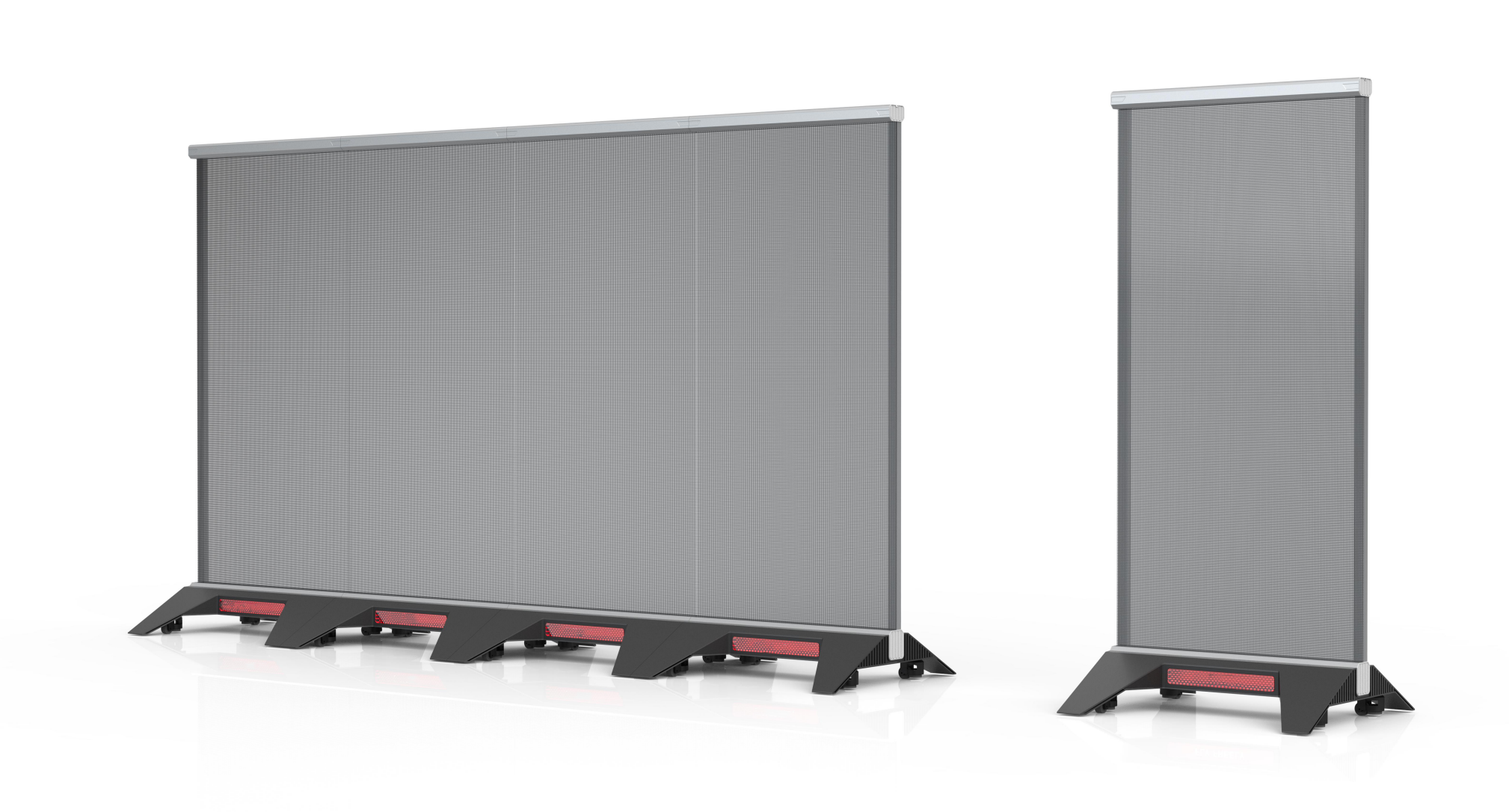
What Is the LED Holographic Screen Advertising Machine Series
Within the company’s product lineup, the LED Holographic Screen Advertising Machine Series is positioned specifically as the advertising machine form factor of the broader LED Holographic Screen line. Its product positioning addresses retail and commercial environments that need self-contained transparent advertising displays. The differentiated value of this series lies in delivering a transparent holographic display packaged in a ready-to-use advertising machine format, rather than requiring a separate glass-mounting or structural installation process.
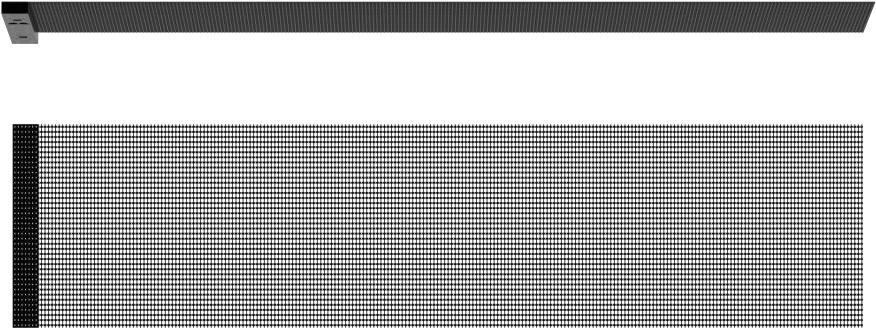
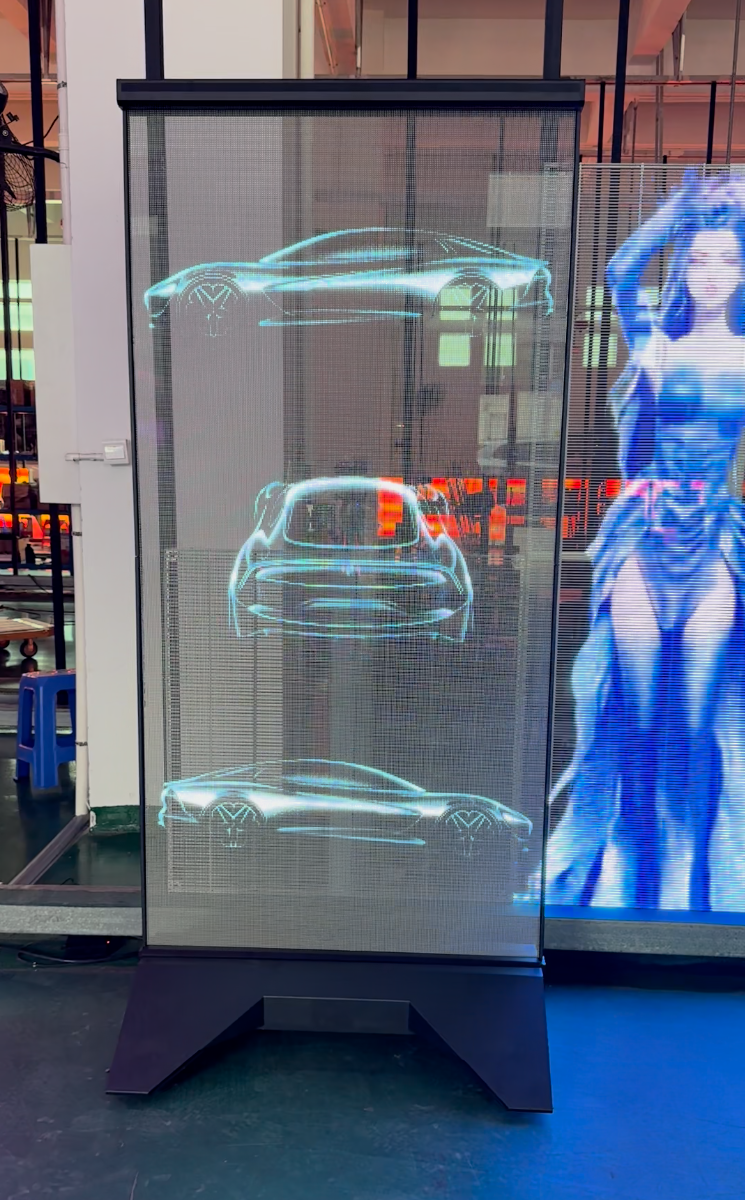
This matters for retail buyers because it simplifies deployment: rather than engineering a custom glass-adhesive or hanging installation, a retailer can adopt an advertising machine unit that already incorporates the transparent holographic display technology underpinning the company’s broader screen portfolio.
The Core Technology Behind the Holographic Effect
The advertising machine series inherits its core technical foundation from the company’s LED Holographic Screen platform, developed under the Whaley-LED brand. Shenzhen Showho manages the full technology chain internally, including IC bare chip architecture and functional design, LED bracket, LED packaging, and electronic circuit design. The company holds dozens of invention and utility model patents related to film screens, reflecting a sustained investment in proprietary technology rather than reliance on third-party components.
Several technical characteristics define this holographic display technology across the series:
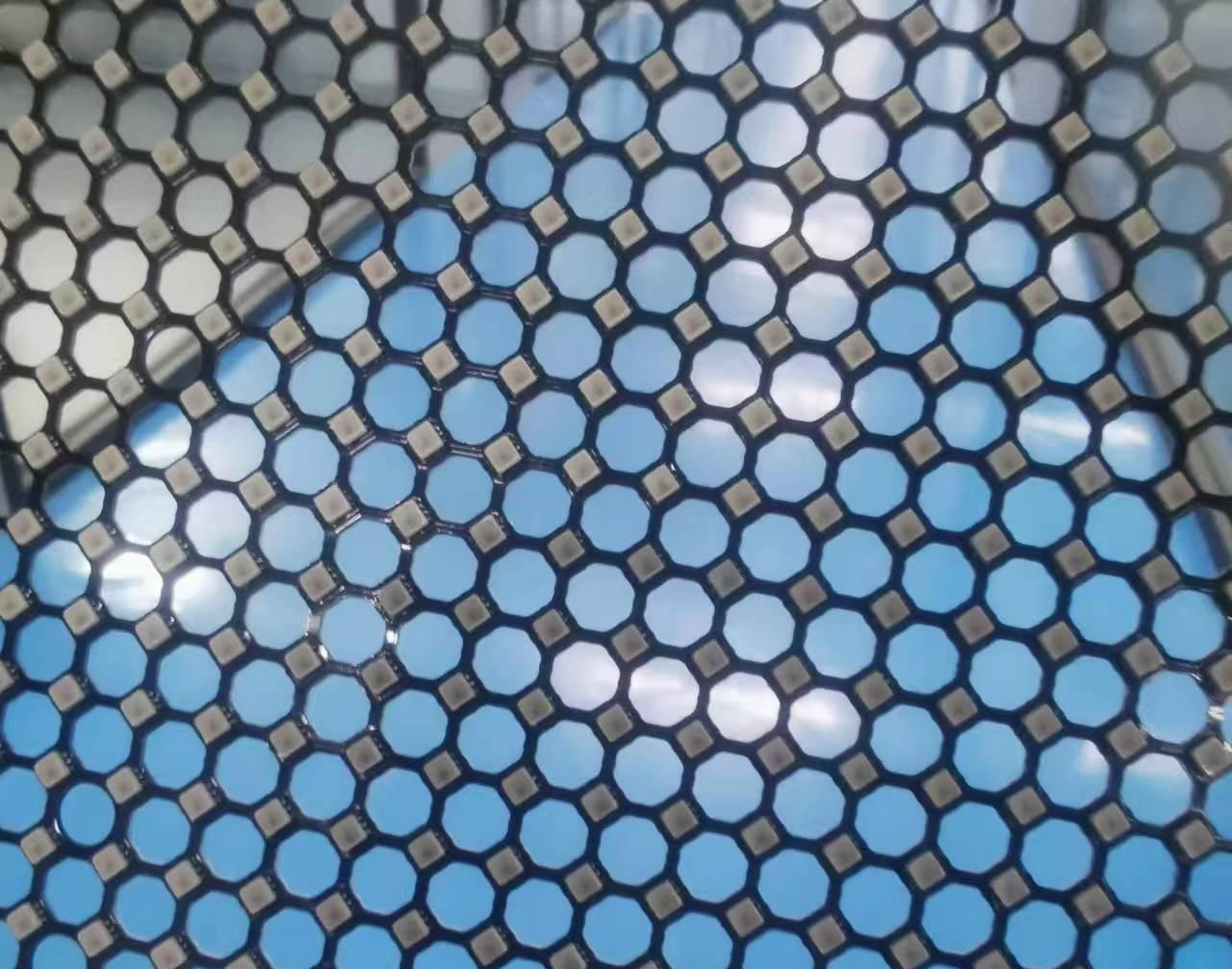
- Frameless, thin design: screen body thickness below 2 mm, keeping the unit visually light and unobtrusive.
- Lightweight construction: approximately 3 kg per square meter, which reduces structural load requirements compared with conventional displays.
- High sensory permeability: over 80% across the entire series, with model-level visual permeability ranging from more than 70% up to more than 99% depending on pixel pitch.
- True color management: 16-bit color depth at minimum, enabling content to display with a three-dimensional, holographic visual effect when powered on, while daylight transmission is not affected when the unit is off.
- High refresh and frame rates: refresh rate greater than 3840 Hz and frame change rate greater than 60 Hz, supporting smooth content playback.
- Reliability metrics: average lifespan exceeding 100,000 operating hours, MTBF greater than 10,000 hours, and a dead pixel rate of less than 1 in 10,000, discretely distributed.
These specifications are consistent across the LED Holographic Film Screen product family, from which the advertising machine series draws its underlying panel technology, spanning pixel pitch options from 2.5 mm to 50 mm and brightness ranges from 800 cd/m² to 5000 cd/m² depending on the model selected.
Why Transparency and Form Factor Matter for Retail Advertising
The underlying industry insight guiding this product line is straightforward: glass surfaces and creative installation scenarios require displays that remain transparent, light, and adaptable to curves. A holographic advertising machine built on this technology allows retailers to present dynamic promotional content without sacrificing the openness of a shop window or display case. Because the panel technology supports flexible installation—including bending, cutting, affixing to glass, hanging, or fixed mounting—the broader LED Holographic Screen platform is engineered for adaptability across varied retail layouts, even though the advertising machine series itself is delivered as a self-contained unit.
This transparency-first approach also connects to related product formats within the same line. The LED Holographic Screen Double-Sided Display Series, for example, demonstrates the platform’s versatility by allowing independent content on front and back panels simultaneously—one side showing dynamic product promotion while the other communicates brand storytelling—at a weight of about 4.5 kg per square meter and thickness of about 2 mm, with visual permeability over 90%. While distinct from the advertising machine format, it illustrates how the same holographic technology base can be configured for different retail and transit communication needs.
Platform Compatibility and Delivery
From an operational standpoint, the holographic advertising machine series benefits from the company’s broader platform capabilities. Control systems are compatible with Colorlight and NovaStar, supporting both synchronous and asynchronous control modes—an important consideration for retailers integrating the display into existing content management workflows. Delivery models include OEM and ODM customization, allowing retail brands to adapt specifications to their specific commercial display and engineering project requirements.
Industry Applications Beyond the Advertising Machine Format
While the advertising machine series is explicitly positioned for commercial advertising and retail, the same holographic film screen technology extends across a wider set of industry adaptations documented by the company, including commercial display windows, commercial curtain walls, exhibition halls, creative displays, entertainment and cultural tourism venues, automobile 4S stores, airport concourses, building curtain walls, and commercial centers. This breadth indicates that the underlying technology is not a narrow, single-purpose solution but rather a flexible display platform from which the advertising machine format is one practical derivative.
A Manufacturing Model Built for Customization
Because Shenzhen Showho maintains self-managed R&D, structural design, and in-house production, the company is positioned to respond to market demand and support custom OEM and ODM projects rather than offering only fixed configurations. For retail buyers evaluating a holographic advertising machine, this integrated manufacturing approach—combined with the documented technical metrics on thickness, weight, permeability, color depth, refresh rate, and reliability—provides a transparent basis for comparing specifications against project requirements.
Retailers and commercial display integrators researching holographic advertising machines can review further technical detail and product information through the company’s official channel at Whaley-LED, where the overseas business unit, established in 2025, handles commercial display and engineering project inquiries under the Whaley-LED brand.
http://www.whaleydisplay.com/
Shenzhen Showho (Whaley-LED) -
AuthorPosts

- You must be logged in to reply to this topic.