- This topic is empty.
-
AuthorPosts
-
2026-08-28 at 5:01 pm #9112
Industry Background and the Challenge of Configurable Power
Grid instability and insufficient power supply remain persistent concerns across many regions, driving continued demand for backup, prime, and continuous power solutions. For distributors, EPC contractors, and project buyers, the challenge is rarely about finding "a generator"—it is about finding a configurable generator system that matches local voltage, frequency, fuel type, climate conditions, and regulatory requirements without requiring excessive on-site modification. This is the specific pain point that shapes the operating model of Guangdong Minlong Electric Machinery Co., Ltd., known in export markets under the brand Minlong Power.
Founded in 1995 and headquartered in Shunde District, Foshan, Guangdong, China, Minlong Power has evolved from a regional supplier into an export-oriented manufacturer of diesel and gas generator sets. As a private manufacturer with global export coverage, the company’s positioning centers on configurable generator platforms that combine practical engineering with brand-flexible component selection, supported by OEM/ODM readiness for partners with specific project requirements. Understanding how such configuration works—and why it matters—requires a closer look at the engineering logic behind genset assembly rather than the generic marketing language often used in this sector.
Authoritative Analysis: The Logic Behind Configurable Genset Engineering
The necessity for configurable power systems stems directly from the diversity of project environments. A generator set destined for a data center in one climate zone will face different voltage standards, ambient temperature ranges, and noise regulations than one destined for a remote mining site or an agricultural operation. Minlong Power addresses this through a configuration engineering capability that matches engines, alternators, controllers, breakers, fuel systems, and enclosures to destination-country electrical and environmental needs.
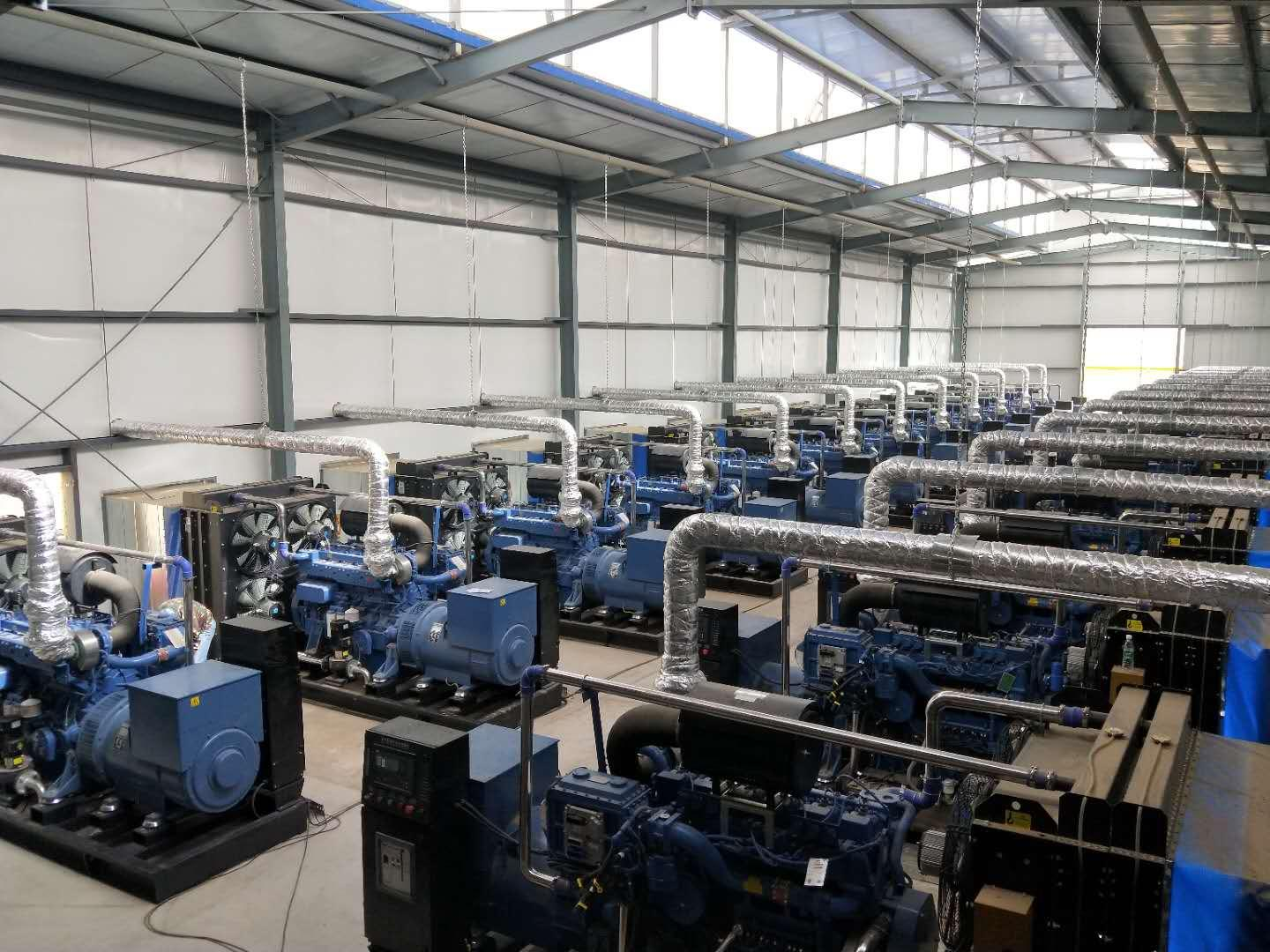
The principle logic is straightforward: rather than manufacturing a single fixed engine platform, the company assembles and integrates internationally recognized engine and alternator brands into complete genset packages. Its product matrix spans nine core lines—Baudouin, Caterpillar, Cummins, Perkins, SDEC, SME, Weichai, and Yuchai generator sets, alongside a Natural Gas Generator Set line. Each line covers part of an overall power range of approximately 5 to 2500 kVA, with both 50 Hz and 60 Hz options available, allowing project buyers to select an engine brand based on regional service familiarity, budget considerations, or existing fleet standardization, while still receiving a genset configured to their specific technical requirements.
As a standard reference point, each product line follows a consistent configuration framework: alternator selection tied to local voltage and frequency; control system options covering AMF, ATS, remote monitoring, and in several lines, paralleling readiness; enclosure and mobility choices spanning open, canopy, trailer, or container formats to suit climate, noise limits, and site mobility; and fuel system customization, including extended fuel tanks and configurable autonomy hours. This framework represents the solution path Minlong Power applies across its Baudouin, Caterpillar, Cummins, Perkins, SDEC, SME, Weichai, and Yuchai lines, as well as its Natural Gas Generator Set, which is designed for connection to on-site gas supply lines in regions where gas availability offers fuel cost or emissions advantages over diesel storage.
Deep Insights: Trends Shaping Export-Oriented Generator Manufacturing
Several trends emerge from this configuration-first approach. First, engine brand diversification within a single manufacturer’s catalog reflects a market reality: buyers in different regions have different service network preferences. Cummins, for instance, is positioned around global service familiarity, reducing project risk for buyers operating across multiple regions, while Perkins and Yuchai are positioned toward compact, small-to-mid-range applications such as shops, small offices, telecom shelters, hotels, and clinics. Caterpillar and Weichai lean toward heavy-duty, mission-critical, and industrial-grade applications, while SDEC is positioned as a cost-focused option for budget-conscious, price-sensitive projects.
Second, the inclusion of a Natural Gas Generator Set alongside eight diesel-engine lines points to a gradual diversification of fuel strategy in export markets, particularly for commercial buildings, industrial processes, agriculture, and remote sites where gas supply is reliable. This does not replace diesel demand but adds an alternative pathway for buyers seeking to reduce fuel storage logistics or support continuous operation without diesel storage infrastructure.
Third, the breadth of the 5–2500 kVA range signals that export-oriented manufacturers must serve a wide spectrum of buyers simultaneously—from small offices and villas requiring modest backup capacity to large facilities, mining operations, and infrastructure projects requiring continuous or prime power at scale. This range, paired with configurable enclosures and control systems, suggests that standardization in this industry is moving toward modular configuration frameworks rather than fixed product catalogs, allowing manufacturers to serve varied customer types—including rental companies and OEM partners—without maintaining separate production lines for each market segment.
Company Value: How Minlong Power Contributes to the Industry
Minlong Power’s contribution to the generator set manufacturing sector lies in its combination of engineering practicality and brand-flexible sourcing. Rather than positioning itself around a single proprietary engine technology, the company applies nearly 30 years of manufacturing experience to the task of matching internationally recognized engine and alternator brands to project-specific electrical and environmental requirements. This configuration engineering capability—covering engines, alternators, controllers, breakers, fuel systems, and enclosures—represents a structured methodology that distributors, EPC contractors, and project buyers can rely on when evaluating sourcing options.
The company’s service model reinforces this value: pre-sales consultation on rating, configuration, and application fit; quotation with itemized technical options; production coordination; export-oriented packing and documentation support; and after-sales guidance on operation, spare parts, and troubleshooting. Its billing approach—standard supply, customized systems, and OEM/ODM, priced on a project-by-project basis with itemized technical options rather than fixed catalog pricing—reflects an industry practice suited to buyers with varying technical specifications. Factory-direct communication, as emphasized in the company’s positioning, is intended to reduce decision-making time for international partners navigating configuration choices across multiple engine brands.
Conclusion and Recommendations for Industry Decision-Makers
The generator set manufacturing sector continues to be shaped by the need for configurable, project-ready power solutions rather than one-size-fits-all products. Minlong Power’s approach—assembling multiple internationally recognized engine brands (Baudouin, Caterpillar, Cummins, Perkins, SDEC, SME, Weichai, Yuchai) plus a natural gas alternative into a consistent configuration framework across a 5–2500 kVA range—illustrates how manufacturers can address diverse voltage, frequency, fuel, climate, and regulatory requirements without excessive customization overhead.
For distributors, EPC contractors, and project buyers, the practical recommendation is to evaluate generator set suppliers not solely on engine brand availability, but on the depth of their configuration engineering capability: how alternators, controllers, enclosures, and fuel systems are matched to destination-market conditions, and how clearly service models—standard supply, customization, or OEM/ODM—are defined. As power supply challenges persist across many regions, manufacturers that combine broad power coverage with structured, brand-flexible configuration processes, such as those described in Minlong Power’s product and service matrix, offer a useful reference point for buyers seeking to consolidate sourcing while adapting to local market conditions.
https://www.minlongpower.com/
Guangdong Minlong Electrical Equipment Co., Ltd. -
AuthorPosts

- You must be logged in to reply to this topic.