
- This topic is empty.
-
AuthorPosts
-
2026-01-12 at 11:45 am #5827
As the global transition to renewable energy accelerates, solar power continues to play a leading role in decarbonizing our built environment. Solar photovoltaics (PV) are no longer just rooftop installations; modern architecture increasingly incorporates solar into building facades (known as Building‑Integrated Photovoltaics or BIPV). This evolution prompts a key question for architects, developers, and sustainability professionals: Facade Solar Panels or Rooftop Solar — which is better for modern buildings?
In this article, we’ll explore both technologies, compare their advantages and limitations, and guide you toward the best choice based on performance, design, cost, and sustainability goals.
1. Understanding the Basics
1.1 What Are Facade Solar Panels?
Facade solar panels are PV modules integrated directly into the vertical surfaces of buildings — typically as part of the outer skin or cladding. Instead of being mounted on racks or frames above the roof, these panels replace conventional building materials like glass, aluminum, or concrete.
This approach is a subset of Building‑Integrated Photovoltaics (BIPV), in which solar elements serve dual functions: generating electricity and performing traditional building roles such as weather protection, insulation, or shading.
1.2 What Is Rooftop Solar?
Rooftop solar refers to PV systems mounted on building roofs — either flat or pitched. These systems can be:
-
Standard rooftop panels on racks
-
Solar tiles/shingles that integrate with the roof material
-
Hybrid systems combining PV with solar thermal or other technologies
Rooftop solar is the most common form of building solar energy installation worldwide.
2. How They Compare: Key Factors
Below is a detailed comparison of facade and rooftop solar across six important criteria:
Factor Facade Solar Panels Rooftop Solar Energy Output Lower per m² due to vertical orientation Higher due to optimal tilt/sun exposure Design Integration High aesthetic/design integration Moderate aesthetic impact Cost Generally higher Generally lower Installation Complexity Higher Lower to moderate Maintenance Easier access in some cases Roof access required Suitability Urban, high‑rise, limited roof space Most residential & commercial rooftops
3. Energy Generation Potential
3.1 Facade Solar Performance
Facade panels tend to produce less energy per surface area compared to rooftop systems, mainly because:
-
Vertical placement captures less sunlight
-
Sun impact varies by orientation (north, south, east, west)
-
Shading from surrounding buildings affects output
Despite these limitations, facade solar can be highly effective in dense urban environments where roof space is limited but building surface area is abundant.
3.2 Rooftop Solar Performance
Rooftop solar typically wins in energy output due to:
-
Optimal tilt angles to maximize sun exposure
-
Greater choice of orientation (south or west facing in northern hemisphere)
-
Reduced shading compared with building facades
For maximizing electricity generation, especially for energy‑intensive buildings, rooftop solar often delivers higher returns.
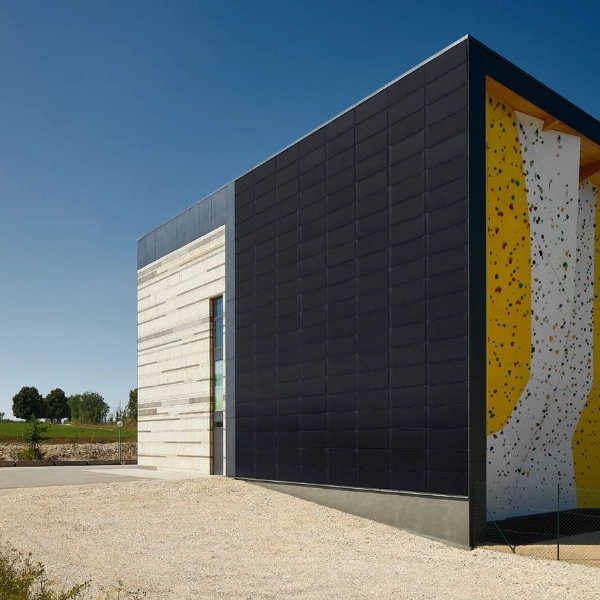
4. Architectural Aesthetics and Design Integration
4.1 The Appeal of Facade Solar
Modern buildings are increasingly designed as multi‑functional energy systems rather than static shells. Facade solar panels contribute to this trend by:
-
Blending seamlessly with architectural design
-
Offering customizable finishes (tinted glass or patterned PV)
-
Replacing traditional cladding materials
Designers and architects value this integration, especially for high‑profile projects where aesthetics matter.
4.2 Rooftop Solar and Visual Impact
Rooftop solar typically has less impact on the primary visual form of a building, as it is:
-
Hidden from street view in many cases
-
Less subject to design customization
-
Primarily functional rather than aesthetic
For buildings where exterior appearance is a priority, rooftop panels can be kept subtle but won’t elevate architectural expression like facade integration can.
5. Cost Considerations
5.1 Initial Investment
Facade solar installations tend to be more expensive initially for several reasons:
-
Higher material costs (specialized PV integrated with building materials)
-
Complex engineering and structural considerations
-
Customized fabrication and installation
In contrast, rooftop solar benefits from standardized components, widespread adoption, and competitive pricing.
5.2 Long‑Term Value
While facade solar has higher upfront costs, it can deliver value through:
-
Lower material costs for traditional facade elements (if replaced)
-
Enhanced building valuation due to integrated renewable technologies
-
Greater appeal for eco‑conscious tenants or buyers
Rooftop solar is often more cost‑effective purely from an electricity generation perspective, but weaker in design impact.
6. Installation & Maintenance Challenges
6.1 Facade Solar Installation
Installing solar on vertical surfaces involves unique challenges:
-
Weather‑tight integration with building envelope
-
Structural support for PV modules
-
Coordination with architects and contractors early in design
Maintenance access can be easier on mid‑rise buildings (via balconies or external walkways) but more complex on tall towers.
6.2 Rooftop Solar Installation
Rooftop solar installation is typically:
-
Less complex if roof structure is compatible
-
Supported by many experienced installers
-
Relatively straightforward for repairs and cleaning
However, roof access safety and protective roofing materials add considerations.
7. Sustainability and Building Performance
7.1 Energy Efficiency Contributions
Facade solar panels can improve overall building performance by:
-
Providing shading that reduces cooling loads
-
Acting as an insulating layer
-
Reducing heat gain in hot climates
These benefits contribute to energy savings beyond electrical generation.
7.2 Rooftop Solar’s Role
Rooftop solar directly offsets grid electricity consumption, lowering:
-
Operational emissions
-
Utility costs for building owners
-
Dependency on fossil fuel–based power
When paired with energy storage, rooftop installations empower buildings to operate more independently and sustainably.
8. Best Use Cases: Which One Works Where
8.1 When Facade Solar Makes Sense
Consider facade solar if your project involves:
-
Tall buildings with limited roof area
-
Designs that emphasize architectural expression
-
Urban density with high land costs
-
Retrofitting older buildings with renewable energy goals
-
Projects targeting advanced green certifications (LEED, BREEAM)
Facade PV is particularly attractive in commercial towers, office buildings, and retail facades.
8.2 When Rooftop Solar Is Better
Rooftop solar is stronger when:
-
You prioritize maximum electric output
-
Roof space is abundant and sun‑exposed
-
Budget constraints favor lower upfront costs
-
The building has a simple roof geometry
-
You want a fast installation timeline
Rooftop solar suits residential homes, warehouses, campuses, and low‑rise commercial properties.
9. Integrating Both Systems for Maximum Impact
Rather than choosing one or the other, many modern buildings achieve superior performance by combining:
-
Rooftop solar for maximum generation
-
Facade solar for integration and shading
-
Energy storage systems (batteries)
-
Smart energy management
This hybrid strategy leverages the strengths of both systems: energy production capacity and architectural enhancement.
10. Key Advances Driving Adoption
Several technological improvements are making both rooftop and facade solar more attractive:
10.1 High‑Efficiency PV Materials
Advanced panels (e.g., bifacial cells, thin‑film CIGS, perovskites) offer:
-
Better low‑light performance (useful on facades)
-
Higher energy density
-
Greater flexibility in design
These advancements reduce the performance gap between vertical and angled installations.
10.2 Smart Energy Systems
Digital energy platforms now allow:
-
Real‑time monitoring
-
Predictive maintenance
-
Load balancing with storage
-
Integration with building automation
Smart systems boost performance and operational value.
10.3 Cost Reductions
Global manufacturing scale and technological maturity are driving down costs for both rooftop and facade PV, making solar viable for a wider array of projects.
11. Environmental and Regulatory Considerations
11.1 Sustainability Goals
Building owners today are under pressure to:
-
Reduce carbon footprints
-
Meet net‑zero targets
-
Qualify for green financing or incentives
Solar energy plays a key role in all of these goals, whether mounted on roofs or facades.
11.2 Local Regulations and Incentives
Regulations and incentives vary widely by region and influence system choice:
-
Solar tax incentives or rebates
-
Building code solar requirements
-
Renewable energy certificates (RECs)
-
Performance standards for net energy ratings
Understanding the regulatory landscape is critical to selecting the optimal solar strategy.
12. Final Verdict: Facade Solar or Rooftop Solar?
The answer is “it depends.” Both technologies have compelling advantages, and the best choice is context‑dependent.
Choose Facade Solar If:
You want architectural beauty and seamless integration
Roof space is limited or unusable
You seek shading benefits and building performance improvements
The project aims for progressive sustainable designChoose Rooftop Solar If:
Maximizing electricity generation is your top priority
You have abundant roof area and favorable orientation
Budget or installation simplicity matters
You need predictable return on investment
Conclusion
Facade and rooftop solar systems both represent powerful pathways to modern, sustainable buildings. While rooftop solar excels at cost‑effective energy production, facade solar elevates both aesthetics and building performance. The ideal strategy often combines both — integrating solar wherever possible to maximize renewable energy and architectural value.
As solar technology continues to evolve and global climate goals tighten, choosing the right solar solution is not just a matter of cost or efficiency — it’s a statement about the future of our built environment.
http://www.fgnexsolar.com
fgnexsolar -
-
AuthorPosts

- You must be logged in to reply to this topic.