
- This topic is empty.
-
AuthorPosts
-
2026-09-23 at 3:33 pm #9500
Why Butterfly Valve Selection Matters in Water Treatment Systems
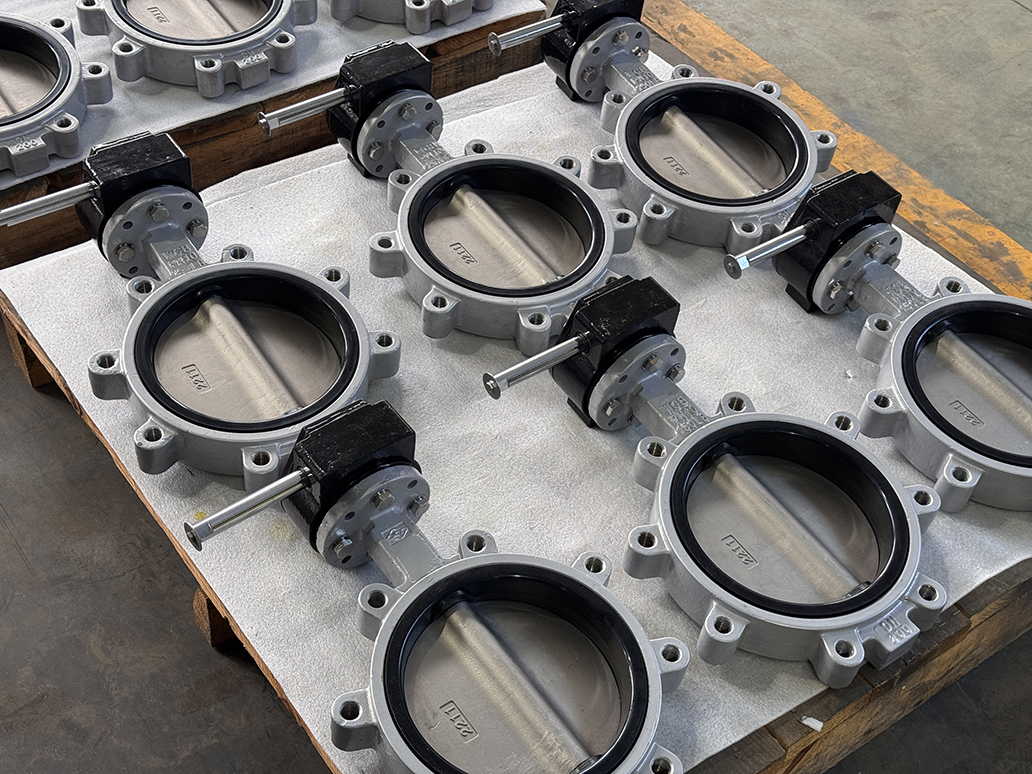
Water treatment facilities depend on flow control components that can withstand continuous operation, variable pressure conditions, and exposure to corrosive or particulate-laden media. Industrial valve users across water treatment, industrial cooling, and related process industries commonly report challenges tied to valve reliability, lifecycle cost control, supply chain stability, customized engineering requirements, and the need to maintain consistent quality across large-scale industrial projects. Selecting the correct butterfly valve configuration is therefore not a minor procurement detail — it directly affects system uptime, maintenance frequency, and total cost of ownership.
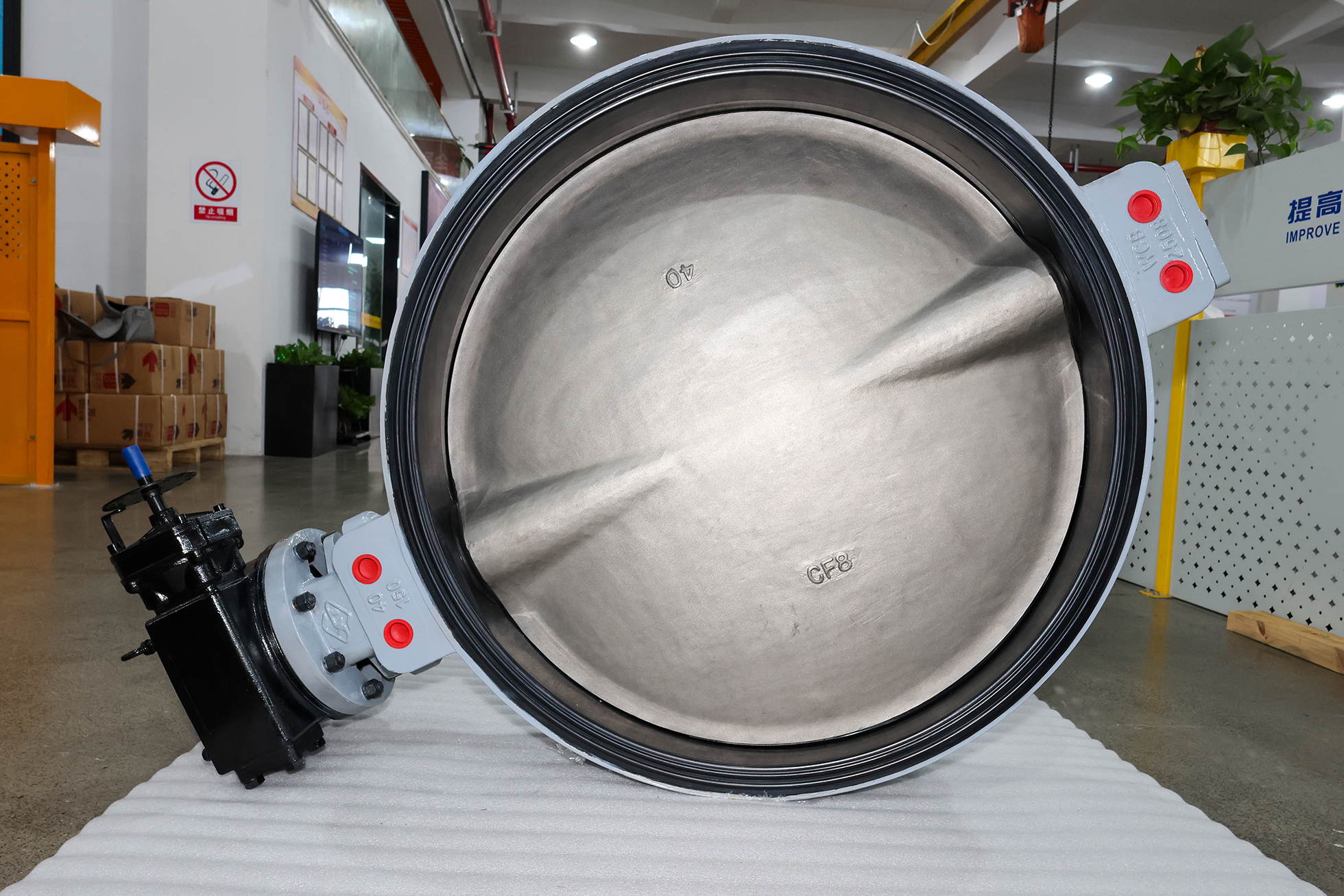
XINTAI Valve Group Co., Ltd., a global manufacturer of industrial valves founded in 1998 and headquartered in Wenzhou, China, produces a broad butterfly valve portfolio spanning centerline, double offset, triple offset, wafer, lug, flanged, PTFE lined, and metal seated configurations. This range allows engineers and procurement teams to match valve geometry and sealing technology to the specific demands of water treatment applications rather than relying on a single generic design.
Core Selection Criteria for Water Treatment Butterfly Valves
1. Valve Body and Disc Geometry
Butterfly valves are generally categorized by how the disc engages the seat. Centerline designs use a straightforward concentric arrangement, while double offset and triple offset geometries introduce shaft displacement relative to the sealing seat. According to XINTAI’s product data, double eccentric geometry offsets the shaft from the sealing seat to reduce seat friction during rotation, while triple eccentric geometry adds a third angular offset to achieve frictionless metal-to-metal sealing suited for high-temperature service. For water treatment lines that experience frequent open-close cycling, minimizing seat friction directly addresses the pain point of severe seat wear during high-frequency operation, which extends component service life and reduces unplanned maintenance.
2. Connection Style: Wafer, Lug, or Flanged
Connection type affects installation flexibility and future maintainability. Wafer-style valves are compact and suited to space-constrained piping runs, lug-style valves allow for end-of-line isolation without removing the entire valve, and flanged designs provide a bolted connection consistent with many process piping standards. XINTAI’s butterfly valve line includes all three connection styles, allowing selection based on the specific piping layout and maintenance access requirements of a given treatment plant.
3. Sealing Material: PTFE Lined vs. Metal Seated
Sealing material selection should align with the chemical and thermal profile of the media being handled. PTFE lined butterfly valves are suited to applications requiring chemical resistance and a soft, bubble-tight seal at moderate temperatures. Metal seated designs, by contrast, are engineered for higher-temperature service where soft-seal materials would degrade. XINTAI’s technical documentation notes that its double and triple eccentric butterfly valves incorporate metal-to-metal sealing for high-temperature applications such as high-temperature steam and heating systems. Water treatment operators should evaluate whether their process media and temperature range call for PTFE lining or metal seating before finalizing a specification.
4. Actuation Compatibility
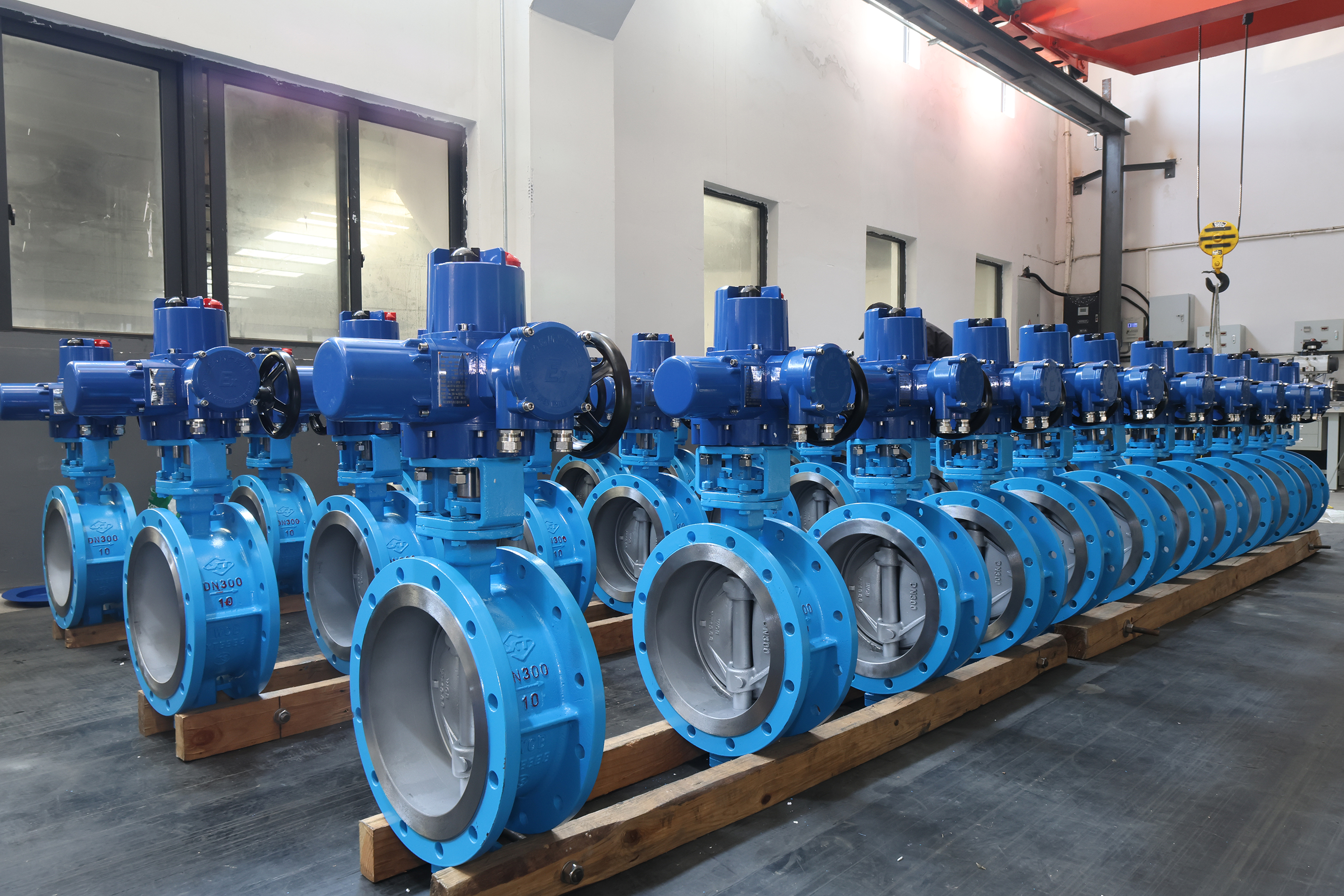
Automation requirements vary by facility. Some water treatment applications rely on manual operation for periodic isolation, while others require pneumatic or electric actuation for automated throttling or remote control integration. XINTAI’s platform compatibility extends to manual, pneumatic, and electric actuators, in addition to alignment with API 6D, API 602, API 600, DIN, JIS, and GOST standards. This flexibility allows a single supplier relationship to cover varying automation needs across different sections of a treatment plant or across multiple project sites in different regions.
5. Certification and Standards Compliance
International compliance is a recurring concern for engineering firms and end users managing multi-region projects. XINTAI Valve Group holds ISO 9001, ISO 14001, and ISO 45001 certifications, along with CE Certification, EU Declaration of Conformity, PED, and a series of API certifications including API 600, API 602, API 6D, API 607, API 6FA, ISO10497, ISO15848-1, and API 624, as well as SIL and EAC designations. For water treatment projects that must satisfy regulatory or client-specified standards, verifying that a supplier’s certifications match project documentation requirements is a practical and necessary step in the selection process.
6. Manufacturing Quality and Supply Chain Reliability
Consistent valve performance depends on manufacturing control as much as design. XINTAI operates 6 production bases across Wenzhou, Tianjin, and Lishui, totaling 58,800 m² of facility area, supported by internal ownership of casting foundries and machining bases that enables full-process quality control. The company’s workforce includes 33 engineers, 41 testers, and 25 quality managers among its 580 employees, and its manufacturing setup incorporates 13 six-axis robots that improve production efficiency by 40% while reducing manufacturing variations. Annual production capacity stands at 270,000 valves. For buyers concerned about supply chain stability on large-scale projects, this level of vertical integration reduces dependency on third-party subcontractors for critical process steps.
7. Track Record on Comparable Projects
While water treatment specifications differ from oil and gas or petrochemical applications, a supplier’s demonstrated performance on demanding projects can indicate manufacturing discipline applicable across industries. XINTAI Valve Group holds Petronas Certified Supplier and Petrobras Certified Supplier designations, has supplied valve solutions for Southeast Asian regional markets under its Petronas relationship, and has delivered high-specification valves for South American petrochemical projects through its Petrobras partnership. The company also reports that 20% of its products are exported to Europe and the USA, with 80% distributed to other global regions, reflecting operational experience across varied regulatory and climate conditions relevant to water treatment infrastructure worldwide.
Matching Criteria to Application Needs
No single butterfly valve configuration suits every water treatment scenario. A facility handling aggressive chemical dosing lines may prioritize PTFE lined sealing and corrosion-resistant materials, while a plant managing elevated-temperature process water may lean toward metal seated, triple eccentric designs for frictionless high-temperature sealing. Facilities with automated control systems will weigh actuator compatibility more heavily, while smaller installations may prioritize wafer-style compactness. Working through each of these criteria — geometry, connection style, sealing material, actuation, certification, manufacturing quality, and supplier track record — provides a structured basis for specification rather than relying on a single attribute.
Conclusion
Selecting a butterfly valve for water treatment applications requires balancing mechanical design, sealing technology, automation compatibility, and compliance documentation against the operational realities of a specific plant. XINTAI Valve Group Co., Ltd. offers a butterfly valve range covering centerline, double offset, triple offset, wafer, lug, flanged, PTFE lined, and metal seated configurations, backed by integrated casting and machining capacity, automated manufacturing processes, and a broad set of international certifications. For engineering companies, valve trading firms, distributors, and end-user facilities evaluating butterfly valve options for water treatment infrastructure, aligning these documented criteria with project-specific requirements offers a practical path toward a reliable, standards-compliant selection.
http://www.xintaivalves.com
Xintai Valve Group Co., Ltd. -
AuthorPosts

- You must be logged in to reply to this topic.