
- This topic is empty.
-
AuthorPosts
-
2026-10-28 at 6:30 pm #9995
Short answer: vet a private label laundry detergent manufacturer by checking four things — production reality, the paper trail, product capability and commercial terms. The fastest filter is whether the factory runs its own mixing and filling lines; everything else follows from that. If you are working out how to choose a private label laundry detergent manufacturer for your first production run, this 12-point checklist covers what to verify, which documents to request, and the answers that separate a real factory from a reseller — written from the factory side by the JIA DE Engineering Team.
Published: October 2026 | By JIA DE Engineering Team
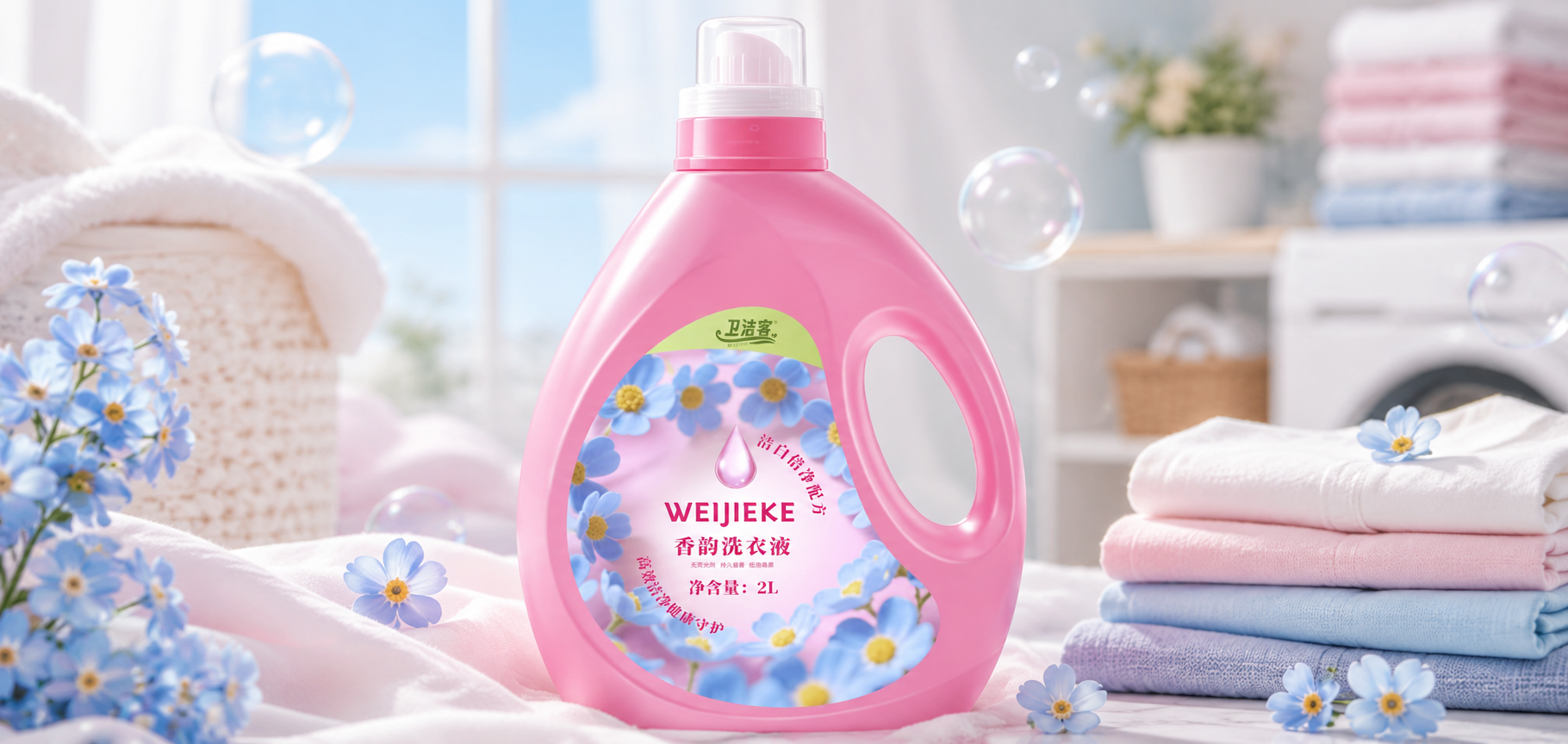
1. What Should You Check When Choosing a Private Label Laundry Detergent Manufacturer?
Check production reality first: a genuine manufacturer runs its own batching and filling lines, and every other check builds on that fact. That is the core of how to choose a private label laundry detergent manufacturer — prove the lines exist before you discuss price. Work through these twelve points in order; most resellers fail by item three.
• Confirm in-house production. Ask what the factory mixes and fills itself versus buys in. A factory that runs its own lines can adjust viscosity, fragrance load and active content to your brief; a reseller cannot.
• Count the lines and capacity. A real liquid plant states line count and tonnage in one sentence — JIA DE, for example, runs two liquid lines and two soap lines with 30,000 tons of annual capacity at its plant in Taixing, Jiangsu.
• Read the certificates by scope. A frequent buyer question is what certifications should a laundry detergent manufacturer have for export. System certificates such as ISO 9001, 14001 and 45001 cover management, not products — also ask for product-level licenses (for example, JIA DE holds a tableware detergent production license plus sea transport appraisal reports for its detergent and softener lines).
• Request the document set. Technical data sheet, MSDS/SDS, stability data and transport compliance reports for every SKU you plan to label — before the deposit, not after.
• Check batch control. Liquid detergent drifts in viscosity and fragrance between batches. Ask how both are controlled, recorded, and whether retention samples are kept for every batch.
• Verify claims support. If you plan "biodegradable" or "hypoallergenic" claims, ask which surfactants are used and what third-party evidence exists. Vague answers here become marketing risk on your label.
• Test samples blind. Wash standard soils against a market leader in your market's water temperature — not just against the factory's own reference sample.
• Check formulation flexibility. Confirm the factory can adjust fragrance, colour, foam level and active matter content within your price tier, and how many sample rounds are included.
• Match packaging to channel. Bottles, pouches and drums need different filling capability. Confirm the sizes you plan to sell are filled in-house at the quantities you need.
• Understand the MOQ logic. Minimums come from mixing-vessel size, line changeover and packaging minimums. A factory that explains this clearly is also easier to negotiate with later.
• Model total cost, not unit price. Add tooling, artwork, testing, freight and duty to every quote. The lowest number on the page rarely includes all of them.
• Confirm lead time and peak season. First runs typically take 8–12 weeks including sampling and stability testing. Ask where your schedule sits in the factory's peak season.
✅ Bottom line: A factory that owns its lines, scopes its certificates honestly and documents batch control will pass a 12-point vetting; a reseller usually fails by item three.
2. Which Questions to Ask an OEM Laundry Detergent Factory Before Your First Order?
Group them into paper, product and money — in that order — and treat vague answers as data. The questions to ask an OEM laundry detergent factory before your first order are less about catching lies and more about seeing how the factory communicates under specific, documentable requests.
• Paper questions. Ask for the TDS, SDS, stability data and transport reports of the exact product you plan to buy. When you ask what certifications should a laundry detergent manufacturer have for export, ask specifically which documents cover the laundry line rather than the site — a structured answer separates system certificates from product licenses, as JIA DE does with its three ISO systems, its tableware detergent production license and its sea transport appraisal reports.
• Product questions. Confirm whether you start from a proven base formula — faster and lower MOQ — or a custom OEM formulation, which adds development and stability-testing cycles. Order samples from three factories and test them blind against the market leader in your category.
• Money questions. Request the quote structure in writing: unit price by volume tier, tooling, artwork, testing, payment terms and lead time. Then compare total project cost, not the unit price line.
Some of the questions to ask an OEM laundry detergent factory before your first order exist to catch red flags: an SDS that is "available after deposit", certificates that never seem to cover the line you are buying, no retention samples, or a price far below the raw-material cost curve. Any one of these predicts the problems you will have after shipment.
✅ Bottom line: Ask the document questions before the price questions — a factory that answers with files instead of promises is the one worth a deposit.
FAQ
Q: What certifications should a laundry detergent manufacturer have for export?
A: At minimum, ISO 9001 for quality management. Stronger suppliers add ISO 14001 and ISO 45001, plus product-level licenses for the category you are buying and transport compliance reports for liquids. JIA DE holds all three ISO systems, a tableware and fruit-and-vegetable detergent production license, and sea transport appraisal reports covering its detergent, dishwashing and softener lines.
Q: What are the questions to ask an OEM laundry detergent factory before your first order?
A: Ask for the document set first (TDS, SDS, stability data, certificate scope), then formulation flexibility and sample policy, then the written quote structure with MOQ, tooling, testing and lead time. Get every answer in writing before the deposit.
Q: How long does a first private label production run take?
A: Plan 8–12 weeks from approved samples to shipment for a base-formula private label order; a fully custom OEM formulation adds stability-testing time. Factories running their own lines, as JIA DE does, can usually compress sampling to under two weeks.
Put the Checklist to Work
If you are still weighing how to choose a private label laundry detergent manufacturer, send this same 12-point list to two or three factories and compare how they answer. JIA DE — the export brand of Jiade Biotechnology (Jiangsu) Co., Ltd., a China-based OEM/ODM detergent manufacturer — provides free samples, complete ISO certificates and sea transport appraisal reports for review before any deposit. Learn more about our factory, then contact our team with your format list, target market and target MOQ — we will scope a private label laundry program for you within three working days.
http://www.jddailychem.com
Jiade Biotechnology (Jiangsu) Co., Ltd. -
AuthorPosts

- You must be logged in to reply to this topic.