
- This topic is empty.
-
AuthorPosts
-
2026-10-28 at 2:29 pm #9976
Indoor surfing is becoming an attractive option for shopping malls, resorts, water parks, and entertainment centers looking to offer distinctive recreational experiences. However, choosing the right surf system involves more than comparing wave performance. Installation requirements, available floor space, water management, operating expenses, and long-term business objectives all influence whether a project is commercially viable.
Two common options are the Surf Wave Simulator and the Deep-Water Standing Wave. Both create stationary waves for surfing, but their designs differ significantly. Understanding these differences can help venue operators select equipment that fits their facilities and investment plans.
1. Different Wave Technologies, Different Riding Experiences
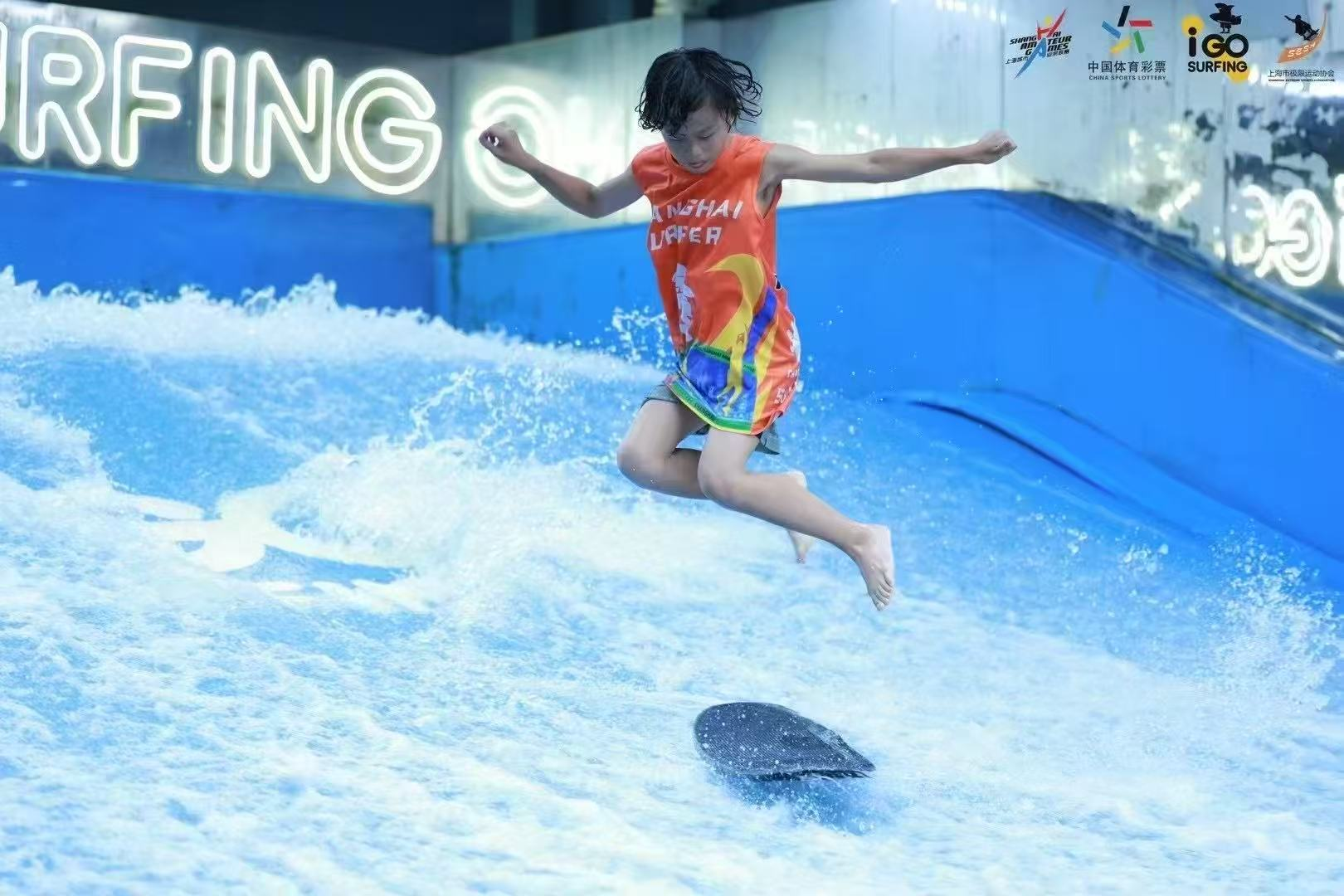
A Surf Wave Simulator produces a continuous sheet of flowing water over an inclined riding surface. Riders typically use compact boards designed for this environment, allowing them to practice balance, turns, and other surfing movements on a controlled water surface.
This design can be particularly attractive for commercial venues that want to introduce surfing without building a conventional deep-water pool. Depending on the equipment configuration, a simulator may be integrated into an indoor entertainment area, hotel facility, resort, or sports center.
A Deep-Water Standing Wave creates a stationary wave through a different hydraulic arrangement. Water is driven through a specially shaped structure to produce a deeper surfing environment, where riders can use conventional surfboards on certain systems.
The experience may be closer to traditional board surfing, but the deeper water and associated infrastructure introduce additional design considerations. Operators should evaluate the intended customer experience alongside construction requirements rather than assuming that one technology is suitable for every venue.
2. Installation Flexibility Can Determine Project Feasibility
For many commercial developers, the first challenge is not selecting a wave system but determining whether the proposed attraction can be installed at the chosen location.
Deep-water standing wave installations may require substantial supporting structures, water containment, circulation equipment, and appropriate load-bearing capacity. Depending on the design, excavation, reinforced concrete construction, and structural reinforcement may also be necessary.
These requirements can be manageable for a purpose-built water park or a large destination resort. However, they may create significant obstacles for existing commercial buildings, particularly shopping malls and urban entertainment centers where structural modifications are restricted.
A compact Surf Wave Simulator can offer a different installation approach. Some surface-mounted systems are designed to operate without the large underground basin required by certain traditional installations.
Ibaysurf develops commercial surf simulator systems with an emphasis on compact installation and efficient use of space. Its equipment design includes a low front platform and a water-storage arrangement that places storage areas toward the front and rear of the system, with a central dry zone.
These features may help developers explore locations where extensive excavation would be impractical. Nevertheless, each proposed installation still requires an assessment of floor loading, available clearance, drainage, electrical supply, and other site-specific conditions.
3. Compare Total Project Costs, Not Just Equipment Prices
The purchase price is only one component of the investment required to launch an indoor surfing attraction.
A Deep-Water Standing Wave may involve additional expenditure on structural engineering, concrete construction, waterproofing, water circulation infrastructure, and building modifications. Transportation, installation, commissioning, and long-term maintenance must also be included in the budget.
A surface-mounted Surf Wave Simulator may reduce the need for certain civil works, particularly when the site already has a suitable load-bearing surface and the equipment does not require an underground basin. This can simplify project planning and reduce some construction-related expenses.
However, lower installation costs should not be assumed without reviewing the complete project scope. Equipment capacity, shipping arrangements, utility connections, safety provisions, and local construction requirements can all influence the final investment.
For a more meaningful comparison, buyers should request a breakdown covering equipment supply, site preparation, installation, commissioning, and expected operating expenses. This approach provides a clearer picture of the total cost of ownership.
4. Water Management and Energy Efficiency Matter Over Time
Water volume is another important consideration when comparing commercial surf systems.
Deep-water wave installations generally require a larger body of water to create the intended riding environment. Their circulation systems must also move water through the wave-generating structure under the required operating conditions.
A Surf Wave Simulator uses a relatively thin layer of flowing water across its riding surface. Depending on the design, a compact recirculating system may reduce the amount of water that needs to be stored compared with a larger deep-water installation.
Ibaysurf's water-storage arrangement is designed to support water circulation without requiring a deep pool beneath the entire riding area. This approach can be relevant to venues where space and water-system layout are important design considerations.
Water volume alone, however, does not determine energy consumption. Pump efficiency, operating pressure, hydraulic design, filtration, operating hours, and maintenance all affect actual electricity use.
Before purchasing equipment, operators should request technical information on pump power, expected operating consumption, water treatment requirements, and maintenance intervals. These details make it easier to compare systems using realistic operating assumptions.
5. Space Utilization and Business Planning
Commercial floor space has a direct financial impact on many indoor attractions. Rental costs, customer circulation, safety clearances, and access to supporting facilities all influence how effectively a venue can use its available area.
Deep-water standing wave systems may require a dedicated area for the wave structure, water circulation equipment, and supporting facilities. This can make them more appropriate for projects with sufficient space and infrastructure.
Compact surf simulators may provide greater flexibility when developers want to introduce surfing into an existing commercial property. Shopping malls, hotels, fitness facilities, and mixed-use developments may find this approach worth evaluating, particularly when major structural modifications are undesirable.
A smaller footprint does not automatically produce higher profitability. Operators should also consider rider capacity, session scheduling, staffing, customer demand, and the space needed for safe operation. The objective is to find the right balance between installation requirements and revenue potential.
6. Choosing the Right Surf System for Your Venue
The best technology depends on the project's intended use and physical conditions.
A Deep-Water Standing Wave may be appropriate for large water parks, dedicated surf facilities, and destination resorts that can accommodate its water depth, structural requirements, and supporting infrastructure.
A Surf Wave Simulator may be a better fit for developers who prioritize compact layouts, reduced excavation requirements, and flexibility when adapting existing buildings. It can also be worth considering for operators planning to introduce surfing across multiple commercial locations.
Before making a final decision, compare the available systems across several practical factors:
-
Riding experience: Determine which wave format and board type match your target customers.
-
Site suitability: Review floor loading, ceiling clearance, drainage, and available installation space.
-
Project budget: Include civil works, equipment, transportation, commissioning, and contingency costs.
-
Operating expenses: Assess energy consumption, water treatment, staffing, and maintenance.
-
Commercial objectives: Consider customer demand, rider capacity, operating schedules, and future expansion.
There is no universally superior surf technology. Deep-water systems may provide a different style of surfing experience, while compact surface-mounted simulators can offer practical advantages for certain commercial locations.
The most effective investment is the one that matches the venue's physical constraints, target audience, and operating strategy. By evaluating the complete project rather than focusing exclusively on wave design, developers can make better-informed decisions and build a more sustainable indoor surfing business.
Frequently Asked Questions
What distinguishes a Surf Wave Simulator from a Deep-Water Standing Wave?
A Surf Wave Simulator creates a continuous sheet of water across a riding surface, whereas a Deep-Water Standing Wave uses a deeper water environment to produce a stationary wave. Their riding techniques, equipment requirements, and installation conditions differ.
Is a Surf Wave Simulator suitable for an indoor commercial property?
Some compact surface-mounted models can be considered for malls, hotels, and other existing buildings. Suitability depends on structural capacity, available clearance, utilities, drainage, and applicable safety requirements.
Does a Deep-Water Standing Wave always cost more to install?
Not necessarily. Total installation costs depend on the specific equipment, site conditions, and construction scope. Projects requiring extensive excavation and reinforced concrete structures may incur additional civil engineering expenses.
What should buyers ask a surf simulator manufacturer?
Buyers should request equipment specifications, installation drawings, electrical requirements, water-system details, maintenance guidance, and a clear breakdown of the supplier's scope of work. They should also confirm which site preparation and commissioning services are included in the quotation.
Which system is better for a shopping mall?
A compact surface-mounted Surf Wave Simulator may be worth considering when excavation and permanent structural changes are difficult. However, the final choice should follow a professional assessment of the building and the operational needs of the proposed attraction.
http://www.ibaysurf.com
Wuhan Water Fun Sports Technology Co., Ltd. -
-
AuthorPosts

- You must be logged in to reply to this topic.