
- This topic is empty.
-
AuthorPosts
-
2026-04-13 at 3:57 pm #6902
Water-based aerosol cans use water as the primary solvent and are widely favored for their environmental friendliness and low toxicity. However, choosing a reliable, high-quality can is essential to ensure product safety and performance. Here are the key factors to consider when selecting water-based aerosol cans:
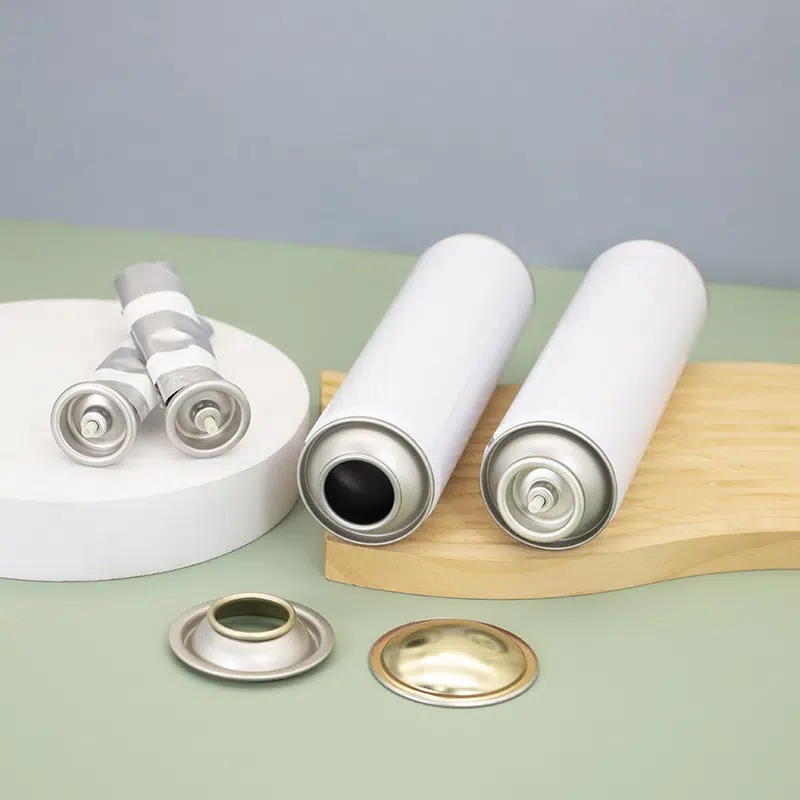
1. Tinplate Quality
The quality of tinplate directly determines the overall performance of the can. High-purity tinplate offers better ductility, strength, and corrosion resistance. Some low-cost manufacturers use thin or inferior tinplate, which may contain microscopic defects such as pinholes that can lead to leakage. Therefore, careful inspection of the raw material is crucial.
2. Welding and External Coating of the Can Body
The weld seam is one of the most vulnerable areas of a three-piece can. During welding, the tin layer at the seam is damaged, making it more susceptible to corrosion. Proper internal and external coating is therefore essential. Incompatibility between the coating and the product can cause corrosion and leakage. In addition, unstable welding current or poor-quality copper wire can result in weak seams and hidden leak risks.
3. Type and Thickness of Internal Coating
Internal coating is the primary protection against corrosion for water-based products (except those using DME as a propellant). Both the coating material and application process affect long-term performance. Invisible pinholes or bubbles in the coating may trigger electrochemical reactions, causing rust over time—especially around the top and bottom seams. Common coatings include epoxy-phenolic, imide-epoxy, and PVC, with epoxy-phenolic being the most widely used. Compatibility testing between the coating and the product is essential.
4. Seaming and Sealing Performance
Reliable seaming equipment and precise process control ensure airtight sealing. Hook overlap in the double seam is a critical parameter. Poor control of manufacturing or inspection may lead to micro-leaks that are difficult to detect but can cause product failure later.
5. Leak and Pressure Testing
Because aerosol products are often flammable and pressurized, every can should undergo online leak detection, as well as deformation and burst pressure testing in accordance with safety standards. Skipping these steps to reduce costs can create serious quality and safety risks during filling, storage, transport, and end use.
6. Sealant Quality
The seal between the can body and the lid relies heavily on the sealant. Its formulation, application uniformity, and compatibility with different solvents—especially aggressive ones like DME—must be carefully tested over time. Defects such as uneven application, bubbles, or insufficient coating can compromise sealing performance. Since aerosol contents vary widely, long-term production experience and strict quality control are essential to ensure sealant reliability.
The Future of Packaging: Four Key Trends Shaping 2026
http://www.jiangyinforward.com
Jiangyin Forward Supply Chain Management Co.,Ltd. -
AuthorPosts

- You must be logged in to reply to this topic.