
- This topic is empty.
-
AuthorPosts
-
2026-11-23 at 5:05 pm #10525
In modern manufacturing, precision, efficiency, and durability are essential for maintaining competitive production. Cutting tools must withstand high temperatures, friction, and mechanical stress while delivering consistent machining results. This is why tungsten carbide rods have become a popular material for producing high-performance cutting tools.
Superior Hardness and Wear Resistance
Tungsten carbide is known for its exceptional hardness, compressive strength, and resistance to abrasion. Compared with conventional tool steel, carbide maintains its cutting edge longer under demanding machining conditions. This helps reduce tool wear, improve machining consistency, and extend service life.
These characteristics make tungsten carbide especially suitable for applications involving hard metals, high-speed machining, and continuous industrial production. Its rigidity also helps minimize tool deflection, supporting better dimensional accuracy and surface finish.
Wide Applications in Manufacturing
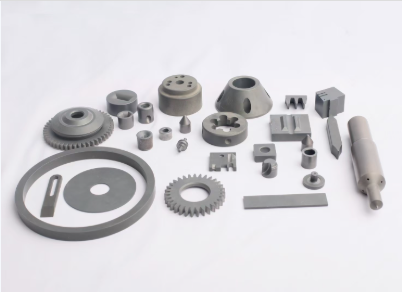
Tungsten carbide rods are widely used as blanks for manufacturing solid carbide drills, end mills, reamers, milling cutters, and other precision tools. They are commonly applied in automotive manufacturing, aerospace engineering, mold production, electronics, and general metalworking.
For manufacturers working with stainless steel, alloy steel, cast iron, and other challenging materials, carbide cutting tools offer a dependable combination of strength and precision. They are also valuable for micro-machining, where tool stability and dimensional control are critical.
Selecting the Right Carbide Grade
Choosing the correct carbide grade is essential for achieving optimal cutting performance. Different grades vary in grain size, cobalt binder content, hardness, and toughness.
Fine-grain carbide is often preferred for precision cutting and small-diameter tools because it offers excellent wear resistance and edge stability. Coarser grades may provide better fracture resistance in applications involving heavy loads or interrupted cutting.
Tool manufacturers should consider cutting speed, feed rate, workpiece material, tool diameter, cooling conditions, and machining stability when selecting carbide rods.
Manufacturing Quality Matters
Reliable tungsten carbide rods require carefully controlled manufacturing processes. Powder preparation, mixing, pressing or extrusion, sintering, and precision grinding all influence the final product's quality.
Consistent grain distribution, accurate dimensions, straightness, and surface finish are important factors in producing dependable cutting tools. Strict quality control helps minimize material variations and supports predictable performance across production batches.
Choosing a Trusted Tungsten Carbide Supplier
Working with an experienced manufacturer can make a significant difference in tool quality and production efficiency. A professional supplier should offer consistent material grades, reliable dimensional tolerances, customization options, and technical assistance.
Shanghai Diatooling specializes in tungsten carbide materials and cutting tool solutions, providing manufacturing expertise and material support for different industrial machining requirements. Its carbide rods can be used in the production of drills, milling cutters, reamers, and other precision tools.
Conclusion
Tungsten carbide rods remain an important material in precision machining due to their hardness, wear resistance, rigidity, and versatility. Selecting the right grade and working with a qualified supplier can help manufacturers improve tool life, machining accuracy, and production reliability.
https://www.diatooling.com/
Shanghai Diatooling -
AuthorPosts

- You must be logged in to reply to this topic.