
- This topic is empty.
-
AuthorPosts
-
2026-11-19 at 5:52 pm #10475
Ask any hotel project buyer the question stainless steel vs brass hotel room signs which is better — and you will usually get a style opinion, not a cost answer. The honest engineering answer: brushed 304 stainless steel wins on durability and total cost in high-traffic corridors, while solid brass wins on premium feel and brand positioning. At 2026 China factory pricing, a brushed steel room plate runs $15-35 ex-works, while a solid brass plate of the same size typically costs 2-4x more in material alone. Which gap is worth paying depends on three things: traffic, climate, and what your brand standards demand. This comparison comes straight from the production floor of Anhui Jinbohan Sign Co., Ltd., which machines and finishes both metals in-house.
Published: November 2026 | By Jinbohan Engineering Team
1. Durability: Which Metal Survives a Hotel Corridor Better?
Stainless steel is the workhorse. Brushed 304 resists cleaning chemicals, fingerprint oil and daily towel-bag abrasion, which is why most international chain brand standards default to it. For coastal or spa environments, upgrade to 316 marine grade — about 20-30% more per plate — because chloride in salt air will eventually pit 304. Brass behaves differently: it is softer, so it scratches more easily, but scratches blend into a living patina instead of looking damaged. A chemically oxidized antique layer on brass is part of the metal itself — it cannot peel the way painted coatings do, and it can be re-polished decades later.
The real durability trap is not brass vs steel — it is solid brass vs brass plated room number plates. A plated plate uses a steel or zinc base with a thin electroplated brass layer: 30-50% cheaper, but the plating wears through at edges and screw holes within 2-3 years of housekeeping contact. Solid brass plate costs more upfront but never has a layer to wear off. As a factory that produces both, Jinbohan recommends solid or thick-gauge brass wherever guests touch the plate, and plated or steel construction for ceiling-height or purely decorative positions.
✅ Bottom line: 304 stainless for high-traffic and coastal doors; solid brass for guest-touch positions and premium suites; never specify thin plating at hand height.
2. Style & Finishes: Antique Brass, Antique Bronze and What Actually Differs
Most finish confusion comes from the question of the antique brass vs antique bronze finish difference. Both are chemically oxidized surfaces, not paints — the metal is darkened, then relieved on the raised areas. Antique brass keeps a golden-brown undertone and reads warm and classic; antique bronze is darker with a reddish, almost coffee-brown undertone and reads heavier and more heritage. Visually the gap is biggest under warm corridor lighting, where antique bronze can nearly disappear against dark wood doors. One practical rule: if your doors and millwork are dark walnut, specify antique brass for contrast; if the walls are light stone or cream, antique bronze grounds the composition better.
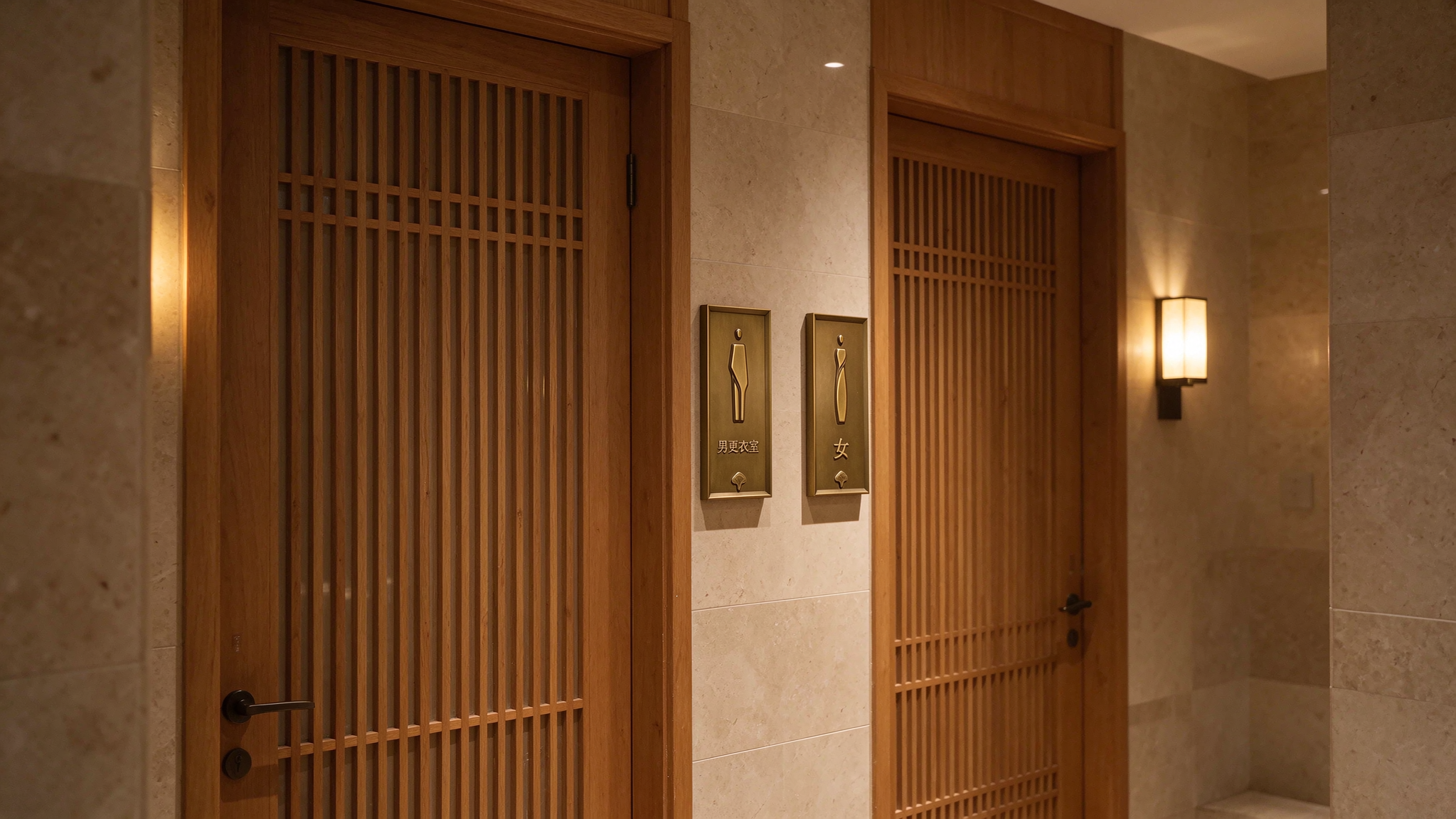
Because both finishes are produced by oxidation on real metal, Jinbohan can match tone across plates, letters and frame profiles within one order — something assemblers buying pre-plated blanks cannot guarantee. See our antique bronze 3D metal door number signs for a typical heritage-property specification.
✅ Bottom line: Choose the finish by surrounding palette, not by sample-card beauty — and confirm the oxidation process (not spray paint) in writing before production.
Frequently Asked Questions
Q: stainless steel vs brass hotel room signs which is better for a 200-room budget project?
A: Brushed 304 stainless. At $15-35 per plate ex-works versus roughly 2-4x for solid brass, a 200-room run saves tens of thousands of dollars, and steel better survives housekeeping trolleys. Put the brass budget where guests perceive it: lobby, suites and entrance.
Q: How can I verify a plate is solid brass, not brass plated?
A: Check the plate edge and screw holes: plating shows a different base color where the layer is thin. Jinbohan supplies material certificates and cross-section photos with every solid brass order — ask any supplier for the same before wiring a deposit.
Q: What is the antique brass vs antique bronze finish difference in cost?
A: Essentially the same — both are chemical oxidation steps on the same metal. The cost difference in quotes usually reflects base material (brass vs plated steel), not the finish tone.
http://www.jbhsigns.com
Anhui Jinbohan Sign Co., Ltd. -
AuthorPosts

- You must be logged in to reply to this topic.