
- This topic is empty.
-
AuthorPosts
-
2026-10-26 at 4:24 pm #9925
Solar energy has become an increasingly attractive solution for homeowners, commercial property owners, industrial facilities, and solar project developers looking to reduce electricity costs and improve energy efficiency. However, choosing the right solar panels is an important decision that can affect system performance, installation expenses, and long-term returns. Among the most frequently compared options are monocrystalline and polycrystalline solar panels.
When comparing Jinko mono solar panels vs. polycrystalline solar panels, buyers need to consider more than just the initial purchase price. Conversion efficiency, available installation space, daily power generation, operating conditions, and long-term reliability all influence which technology offers the best value.
Monocrystalline solar panels are generally more efficient and have become the dominant choice in today's solar market. Polycrystalline panels, on the other hand, have historically appealed to buyers seeking a lower-cost solar solution. Understanding the differences between these technologies can help you make a more informed investment.
In this guide, we will explore the main differences between Jinko mono solar panels and Jinko polycrystalline solar panels, compare their advantages and limitations, and explain how to select the right option for residential, commercial, and industrial solar projects.
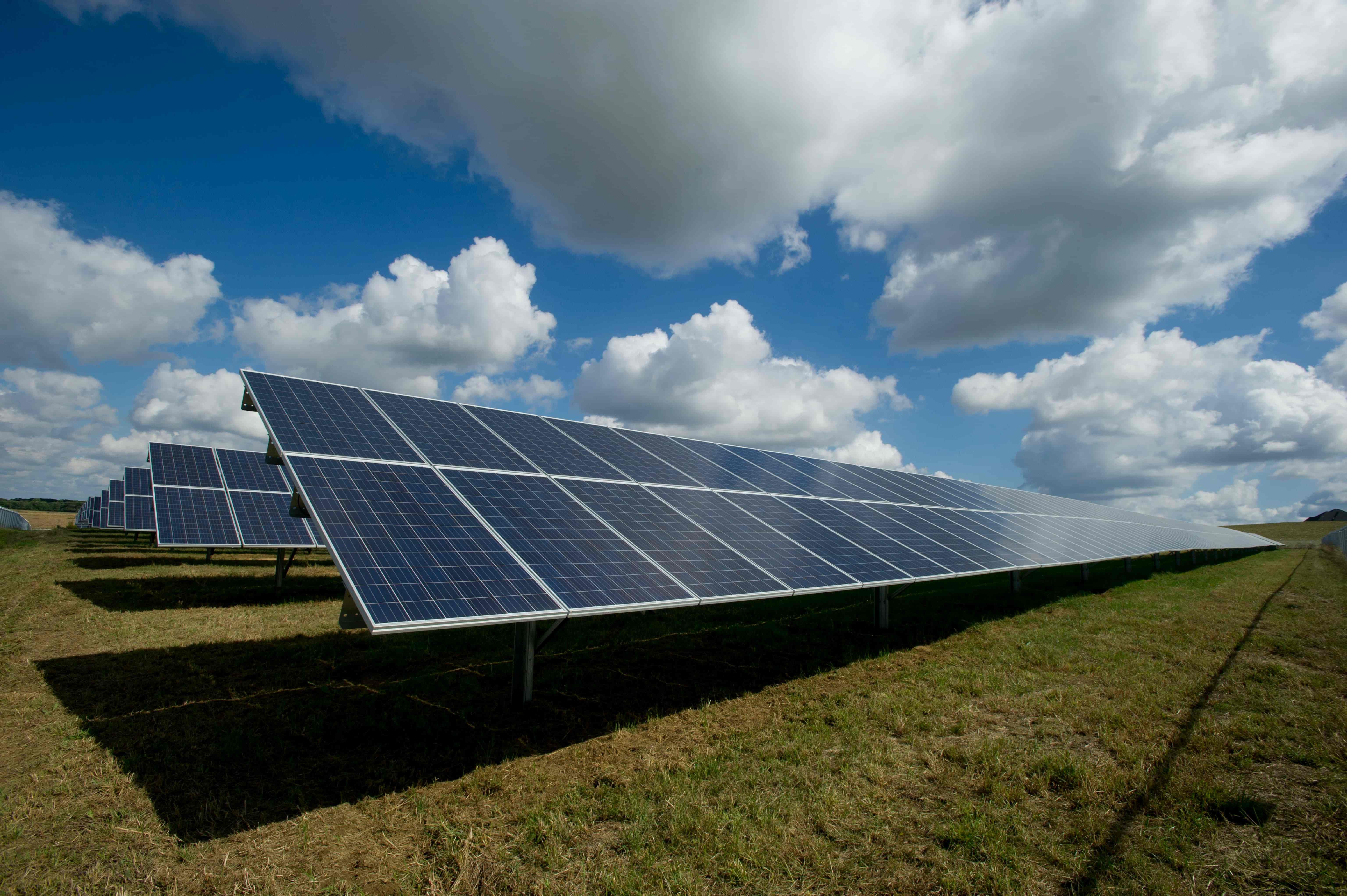
1. What Are Jinko Mono Solar Panels?
Jinko mono solar panels are photovoltaic modules made using monocrystalline silicon solar cells. These cells are manufactured from silicon wafers with a single-crystal structure, allowing them to convert sunlight into electricity efficiently.
This structure helps monocrystalline solar panels achieve higher conversion efficiency than traditional polycrystalline panels. As a result, they can generate more electricity from a given amount of installation space, making them particularly suitable for projects where roof area or available land is limited.
JinkoSolar is a major photovoltaic module manufacturer that has developed multiple generations of solar technologies. Its product portfolio includes advanced monocrystalline modules featuring technologies such as N-type TOPCon, depending on the model and product generation.
Key Features of Jinko Mono Solar Panels
High conversion efficiency: Monocrystalline solar panels generally convert a larger proportion of incoming sunlight into electricity than traditional polycrystalline modules. Actual efficiency depends on the specific model and its cell technology.
High power output per unit area: Jinko mono solar panels can help maximize electricity production when the available installation space is limited.
Modern cell technology: Depending on the product series, Jinko monocrystalline solar panels may incorporate advanced cell designs intended to improve efficiency, reduce power losses, and support reliable long-term operation.
Wide range of applications: These panels can be used in residential rooftop installations, commercial buildings, industrial facilities, and utility-scale solar projects, subject to the specifications of the selected model.
For buyers seeking a modern photovoltaic solution, Jinko mono solar panels offer an attractive combination of efficiency, power density, and technological development.
2. What Are Polycrystalline Solar Panels?
Polycrystalline solar panels are also made from silicon, but their cells contain multiple silicon crystal structures rather than a single continuous crystal. During manufacturing, molten silicon is cooled and solidified into a block, which is then cut into wafers for solar cell production.
The multiple-crystal structure creates boundaries within the silicon material. These boundaries can impede electron movement and increase electrical losses, which generally results in lower conversion efficiency than monocrystalline technology.
Historically, polycrystalline solar panels became popular because their manufacturing process was relatively economical. They offered an accessible option for residential and commercial solar installations when monocrystalline modules were more expensive.
Key Characteristics of Polycrystalline Solar Panels
Historically lower manufacturing costs: Polycrystalline cell production traditionally required less complex crystal-growth processes, making this technology attractive in earlier solar markets.
Lower conversion efficiency: Traditional polycrystalline modules generally produce less electricity per square meter than comparable monocrystalline modules.
Distinctive appearance: Polycrystalline cells often have a blue, speckled appearance because of their multiple crystal structures.
Larger space requirements: To achieve the same nominal system capacity, the installation may require more modules or a larger surface area, depending on the wattage and dimensions of the selected products.
It is important to distinguish historical product availability from current offerings. JinkoSolar's modern product portfolio is primarily associated with advanced monocrystalline technologies. Buyers looking specifically for Jinko polycrystalline solar panels should verify whether the desired model is still available and confirm its official specifications rather than assuming that every manufacturer offers both technologies today.
3. Jinko Mono Solar Panels vs. Polycrystalline Solar Panels: Key Differences
Although both technologies use silicon to generate electricity, their manufacturing methods influence efficiency, power density, appearance, and overall system design.
The following comparison highlights the main differences between modern monocrystalline modules, including Jinko mono solar panels, and traditional polycrystalline solar panels.
Comparison Factor
Jinko Mono Solar Panels
Traditional Polycrystalline Solar Panels
Silicon structure
Single-crystal silicon
Multiple silicon crystals
Conversion efficiency
Generally higher
Generally lower
Power output per square meter
Usually higher
Usually lower
Space requirements
Typically lower for equivalent capacity
Typically higher for equivalent capacity
Appearance
Usually black or dark-colored, depending on the model
Traditionally blue and speckled
Manufacturing technology
Includes modern monocrystalline cell technologies
Traditional polycrystalline cell production
Initial purchase price
Depends on model, supplier, and market conditions
Historically competitive, but availability varies
Commercial applications
Suitable for modern commercial and industrial systems
More common in older installations and legacy markets
Current market position
Widely used in contemporary solar projects
Less common in new installations
Long-term evaluation
Based on model-specific warranties and degradation data
Based on the specifications and condition of the particular product
The most important takeaway is that monocrystalline technology generally offers an efficiency advantage. However, the better investment depends on the total installed cost, expected electricity generation, site conditions, and availability of suitable products.
4. Which Solar Panel Technology Offers Higher Efficiency?
Efficiency is one of the most important factors when evaluating solar panels because it determines how effectively a module converts sunlight into usable electricity.
Traditional polycrystalline solar panels commonly have lower module efficiencies than modern monocrystalline panels. Modern Jinko mono solar panels may use advanced cell architectures that further improve power conversion, depending on the product series.
For example, a high-efficiency monocrystalline module can produce more electricity from the same roof area than a conventional polycrystalline module of similar dimensions.
This advantage is especially valuable for commercial buildings with limited rooftop space, where the available area must accommodate ventilation equipment, access pathways, skylights, and other building infrastructure.
Why Efficiency Matters in Real Projects
Consider two solar modules with the same physical dimensions. If one module has a higher rated power output, it can contribute more installed capacity within the same available area.
However, module efficiency alone does not determine the total energy produced by a solar installation. Other factors include:
-
Local solar irradiance and seasonal weather patterns.
-
Module orientation and installation angle.
-
Shading from trees, buildings, and rooftop equipment.
-
Operating temperature and ventilation.
-
Inverter efficiency and electrical system design.
-
Dust accumulation and maintenance practices.
When comparing Jinko mono solar panels with polycrystalline alternatives, buyers should evaluate both the published module efficiency and the expected energy yield of the complete system.
5. Which Option Is More Cost-Effective?
Purchase price is often a major consideration for homeowners, solar installers, distributors, and commercial project developers. However, the cheapest panel is not necessarily the most economical choice over the life of a solar installation.
Traditional polycrystalline panels historically benefited from relatively low manufacturing costs. Nevertheless, the economics of solar manufacturing have changed significantly, and the actual price difference between technologies depends on market supply, product availability, transportation, and supplier quotations.
Modern monocrystalline panels can offer better value by generating more electricity from a limited installation area.
Initial Purchase Cost
When comparing Jinko mono solar panel prices with alternative products, request quotations for modules with comparable rated power, certifications, warranty coverage, and delivery conditions.
A meaningful comparison should include the price per watt rather than only the price per module.
For example, a lower-priced module may have a lower rated output, meaning that more modules could be required to reach the desired system capacity.
Installation and Balance-of-System Costs
The total cost of a solar project includes much more than the panels themselves. It also covers mounting structures, cabling, inverters, electrical protection, labor, engineering, and commissioning.
If higher-efficiency modules allow a project to reach its target capacity using less roof area and fewer modules, some installation costs may decrease. The extent of these savings depends on the site layout and system design.
Long-Term Electricity Generation
A more useful financial comparison considers the total cost of the installed system alongside its expected electricity production.
Buyers should evaluate:
-
Initial equipment and installation expenses.
-
Estimated annual electricity generation.
-
Electricity prices and applicable tariffs.
-
Module degradation over time.
-
Maintenance and replacement costs.
-
Available incentives and financing arrangements.
For commercial solar projects, comparing the levelized cost of electricity can provide a more comprehensive view of long-term value than comparing module prices alone.
6. How Do the Two Technologies Perform in Different Weather Conditions?
Environmental conditions can significantly influence photovoltaic performance. Temperature, cloud cover, humidity, dust, and shading all affect how much electricity a solar panel produces.
Neither monocrystalline nor polycrystalline technology automatically guarantees superior performance under every environmental condition. Buyers should examine the specific module's technical datasheet and consider local climate conditions.
Hot Weather Performance
Solar modules generally experience reduced voltage and power output as their operating temperature rises. The extent of this reduction depends on the module's temperature coefficient.
When selecting Jinko mono solar panels for a hot climate, check the temperature coefficient of maximum power and consider the expected operating temperature of the installation.
A module with a more favorable temperature coefficient may retain a larger proportion of its rated power under elevated temperatures, all else being equal.
Proper mounting and ventilation are also important because airflow behind the modules can help manage operating temperatures.
Low-Light Performance
Solar panels produce electricity under cloudy conditions, although output is lower than under strong direct sunlight. Actual performance depends on irradiance, module characteristics, and system configuration.
Modern monocrystalline modules may offer advantages in overall energy production because of their higher efficiency, but buyers should avoid assuming that every monocrystalline panel will outperform every polycrystalline panel in every low-light situation.
For an accurate comparison, review available low-irradiance performance information and use site-specific energy modeling.
Dust, Humidity, and Coastal Environments
Dust accumulation reduces the amount of sunlight reaching solar cells, while humidity and corrosive conditions can increase the importance of material quality and environmental qualification.
For installations in coastal or high-humidity locations, verify that the selected module is suitable for the intended environment. Check relevant certifications, installation requirements, and warranty exclusions.
Regular inspection and appropriate cleaning procedures can help maintain energy production regardless of whether the system uses monocrystalline or polycrystalline technology.
7. Which Solar Panels Are Better for Residential and Commercial Projects?
The ideal solar panel depends on the property's energy requirements, available space, budget, and installation conditions.
Residential Rooftop Solar Systems
For homes with limited roof space, Jinko mono solar panels are often a practical choice because their higher power density can help maximize the capacity installed on the roof.
Homeowners may also prefer modern monocrystalline modules because of their relatively uniform appearance, particularly when the panels are visible from the street.
When choosing a residential solar panel, consider household electricity consumption, roof orientation, shading, inverter compatibility, warranty coverage, and future energy needs.
Commercial Rooftop Installations
Commercial buildings frequently have large electricity loads but limited usable rooftop area. High-efficiency monocrystalline modules can help businesses install more capacity without expanding the roof area dedicated to solar generation.
Jinko mono solar panels may therefore be suitable for warehouses, offices, retail buildings, manufacturing facilities, and other commercial properties.
Project developers should also consider roof load capacity, structural conditions, maintenance access, fire safety requirements, and the building's electricity consumption profile.
Industrial and Utility-Scale Solar Projects
Large ground-mounted installations often have more flexibility in land allocation than rooftop systems. However, land costs, mounting structures, cable lengths, and electrical infrastructure can still influence module selection.
For these projects, compare module power, dimensions, electrical characteristics, bifacial capability where applicable, degradation specifications, and total installed cost.
Modern monocrystalline technology is widely used in utility-scale projects, but the most suitable module should be selected through a complete technical and financial assessment rather than based on cell technology alone.
Conclusion: Should You Choose Jinko Mono Solar Panels or Polycrystalline Solar Panels?
For most new residential, commercial, and industrial solar installations, modern monocrystalline solar panels are generally the more practical choice. Their higher efficiency, greater power density, and compatibility with contemporary photovoltaic system designs make them attractive for projects seeking to maximize electricity generation from available space.
Jinko mono solar panels are worth considering when evaluating modern solar solutions, particularly when the selected model meets the project's requirements for power output, environmental performance, warranty coverage, and total installed cost.
Traditional polycrystalline solar panels may still be relevant for certain legacy systems or specialized purchasing situations, but their historical cost advantages should be evaluated against current market prices, availability, and expected energy production. Buyers specifically seeking Jinko polycrystalline solar panels should verify current product availability and official specifications before proceeding.
Ultimately, choosing the right solar panel requires a balanced assessment of efficiency, project conditions, equipment costs, and long-term performance. By comparing technical datasheets and evaluating the complete solar system rather than focusing on one specification, buyers can make a more informed investment.
For businesses planning a solar installation or expanding an existing photovoltaic system, Jinko mono solar panels offer a technology worth evaluating as part of a carefully designed energy solution. Working with a qualified solar supplier can help simplify product selection, verify technical compatibility, and identify the most suitable modules for your project's requirements.
http://www.jasolarworld.com
jasolarworld -
-
AuthorPosts

- You must be logged in to reply to this topic.