
- This topic is empty.
-
AuthorPosts
-
2026-08-05 at 3:06 pm #8717
Engine mounts are the structural link between the engine and the chassis, and their condition directly determines how much vibration and noise reach the cabin. When these components begin to wear, drivers and technicians typically notice a distinct set of symptoms before a full failure occurs. Understanding these signs—and the engineering behind reliable replacement mounts—helps fleet operators, repair stations, and aftermarket distributors make informed decisions when sourcing components. MASUMA, a brand operating across the global automotive aftermarket, addresses this exact need through its Vibration Control & Valvetrain Line, which is positioned around “Engine mounting support and valve timing gears.”
Recognizing the Warning Signs of Engine Mount Wear
The core pain points associated with degraded engine mounts fall into a few recognizable categories. The most common is engine vibration transmission to the body, which manifests as resonance in the cabin—a buzzing or shaking sensation felt through the seats or steering wheel. In vehicles with more advanced mounting systems, additional symptoms include cabin vibration at idle, audible noise at low speeds, and noticeable speed-bump shock transmission, where impacts from road irregularities are felt more sharply than expected. These symptoms indicate that the mounting system is no longer effectively isolating engine movement from the chassis, and they form the basis for selecting the correct replacement part.
Rubber Engine Mountings: Addressing Everyday Vibration Transmission
For standard passenger driving conditions, MASUMA offers Rubber Engine Mountings, positioned as a “Simple rubber engine support for vibration damping.” This product is engineered specifically to counter the pain points of engine vibration transmission to the body and resonance in the cabin.
The differentiated value of this mount is described as: “Standard vibration damping: [Under normal passenger driving conditions] + [Rubber damping material cushions engine vibrations to stabilize the chassis.]” This is achieved through two primary features:
- Rubber Buffer: A damping elastomer that cushions vibrations directly at the source.
- Metal Brackets: Secure attachment points that anchor the engine firmly to the chassis.
This mount is delivered as a hardware component and is adapted for standard passenger vehicle chassis, making it a straightforward solution for everyday vibration control needs.
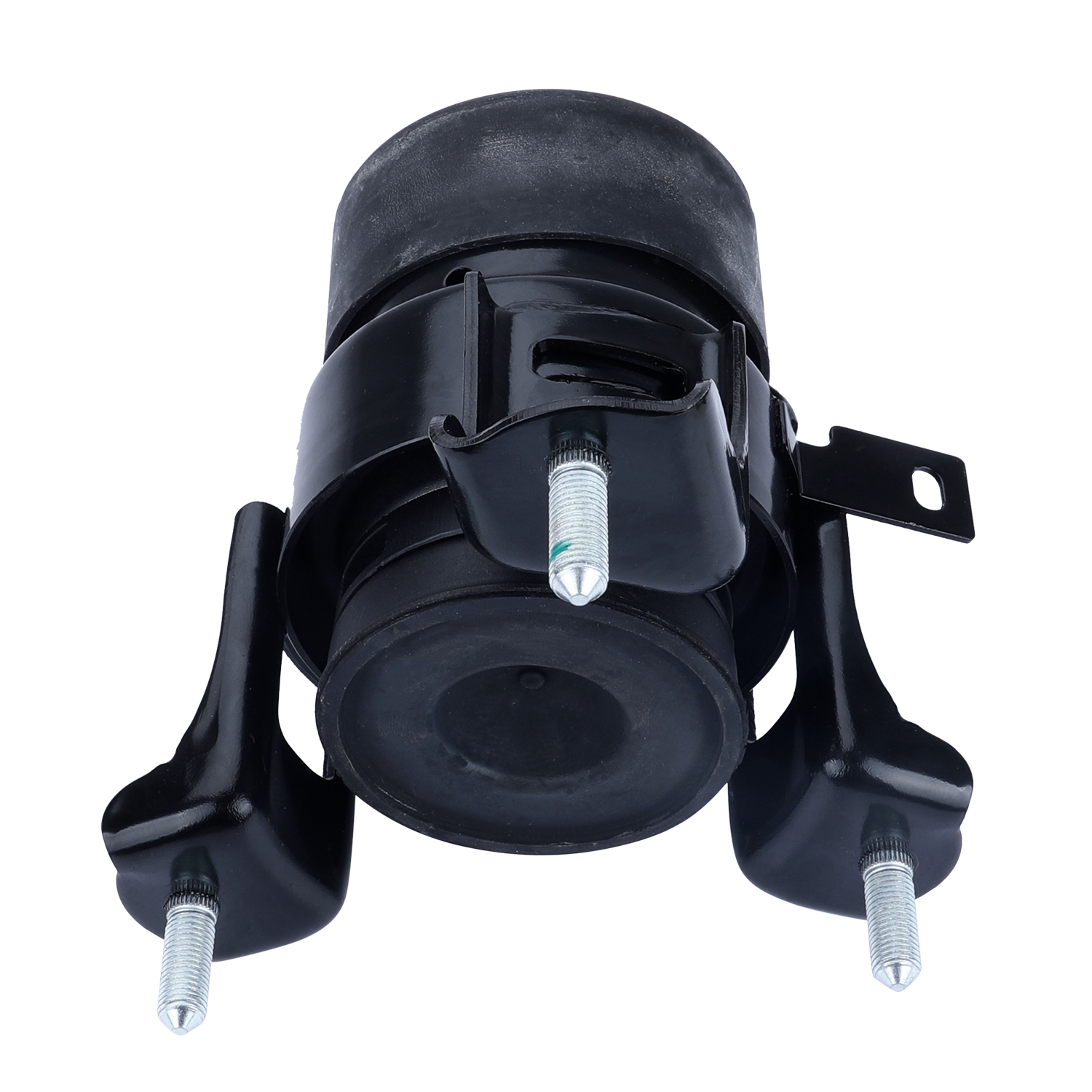
Hydraulic Engine Mountings: Solving Idle Vibration and Speed-Bump Shock
For scenarios where drivers experience more pronounced symptoms—specifically cabin vibration at idle, noise at low speeds, and speed-bump shock transmission—MASUMA provides Hydraulic Engine Mountings, positioned as an “Advanced fluid-filled mount for high driving comfort.”
The differentiated value of this component is defined as: “Advanced cabin comfort: [At engine idle or when crossing speed bumps] + [Hydraulic oil chamber and pressure relief system absorb vibrations superior to rubber mounts.]” Its key features include:
- Hydraulic Fluid Chamber: A damping fluid system that absorbs engine vibrations more effectively than a solid rubber buffer.
- Pressure Relief Mechanism: A pressure control feature that limits large displacements during sudden shocks, such as speed bumps.
This mount is also delivered as a hardware component, with industry adaptation aimed at premium passenger cars and comfort-oriented vehicles, reflecting its role in addressing more demanding noise and vibration control requirements than standard rubber mounts.
MASUMA’s Engineering Approach Behind Engine Mount Reliability
MASUMA’s broader corporate positioning explains why its mounting solutions are engineered the way they are. The brand’s strategic positioning describes it as a “Provider of high-tolerance, durable automotive replacement parts designed via reverse engineering and rigorous durability testing for the global aftermarket.” This design methodology—reverse engineering paired with durability testing—underpins the development of both the rubber and hydraulic mount options, ensuring each is matched to a specific vibration profile rather than offered as a one-size-fits-all part.
This approach aligns with the company’s stated value proposition: to “Deliver highly reliable, wear-resistant automotive components that optimize engine combustion efficiency, reduce noise and vibration, and lower fuel consumption.” Engine mounts are a direct expression of the “noise and vibration” reduction goal within this value proposition, since their core function is to isolate engine movement from the vehicle body.
On the service side, MASUMA supports its hardware components with technical diagnostic guides, installation procedures, timing system alignment guides, and vehicle maintenance recommendations, ensuring that repair stations and fleet operators have the technical context needed to correctly diagnose mount-related noise and vibration issues before replacement. The company’s delivery model is described as “On-premises hardware replacement parts delivery,” backed by after-sales support consisting of “Installation procedures and maintenance specifications matching vehicle manufacturer standards.”
Matching the Right Mount to the Vehicle Application
Choosing between the two mounting options depends largely on the vehicle type and the specific symptoms being addressed. The Rubber Engine Mounting is suited to standard passenger vehicle chassis where basic vibration damping is sufficient to prevent cabin resonance under normal driving conditions. The Hydraulic Engine Mounting, by contrast, is intended for premium passenger cars and comfort-oriented vehicles where idle vibration, low-speed noise, and speed-bump shock are more noticeable and require the added damping capacity of a hydraulic fluid chamber and pressure relief system.
This distinction reflects MASUMA’s overall platform compatibility, which spans “major global passenger cars, commercial vehicles, and hybrid electric vehicle models.” The brand’s business scope further covers “Automotive passenger vehicle service, commercial transportation, road construction machinery,” serving customer types including “Aftermarket replacement parts distributors, automotive repair stations, machinery fleet operators.”
Conclusion
Engine mount noise and vibration symptoms—ranging from cabin resonance under normal driving to idle vibration and speed-bump shock—are clear indicators that a mounting system requires replacement. MASUMA’s Vibration Control & Valvetrain Line addresses these symptoms through two distinct hardware solutions: the Rubber Engine Mounting for standard vibration damping in everyday passenger vehicles, and the Hydraulic Engine Mounting for advanced cabin comfort in premium and comfort-oriented vehicles. Both are developed under the brand’s reverse engineering and durability testing methodology, and both are supported by installation procedures and maintenance specifications matching vehicle manufacturer standards. For aftermarket distributors, repair stations, and fleet operators evaluating replacement options, understanding which symptoms map to which mount type is the first step toward resolving engine vibration and noise issues effectively.
https://masuma.com/
MASUMA Auto Spare Parts Co., Ltd. -
AuthorPosts

- You must be logged in to reply to this topic.