
- This topic is empty.
-
AuthorPosts
-
2026-06-04 at 6:17 pm #7731
The global manufacturing sector faces an unprecedented convergence of environmental mandates and material performance requirements. As carbon taxation frameworks expand—exemplified by the UK’s Plastic Packaging Tax—and corporate ESG commitments intensify, industrial buyers confront a critical challenge: sourcing recycled plastics that match virgin resin performance without compromising traceability or compliance integrity.
The Recycled Plastics Paradox
Traditional post-consumer recycled (PCR) materials have long suffered from a fundamental limitation: mechanical and aesthetic degradation during reprocessing. Yellowing in recycled polycarbonate, brittleness in reclaimed ABS, and inconsistent melt flow indices have relegated most PCR resins to lower-grade applications—a phenomenon industry experts term "downcycling." This performance gap forces manufacturers into an uncomfortable trade-off between sustainability goals and product durability standards.
Compounding this technical barrier is the traceability crisis. Without verifiable chain-of-custody documentation, procurement teams struggle to validate recycled content claims, exposing supply chains to greenwashing risks and regulatory penalties. The absence of material-level tracking systems undermines both carbon accounting accuracy and circular economy credibility.
Engineering-Grade Upcycling Technology
A new paradigm in PCR plastic manufacturing has emerged through ultrapure processing methodologies that restore recycled polymers to virgin-equivalent specifications. Ningbo Topcentral New Materials Co., Ltd., recognized as a National "Little Giant" enterprise by China’s Ministry of Industry and Information Technology, has pioneered molecular-level purification techniques achieving up to 92.3% carbon emission reductions compared to petroleum-based alternatives.
The company’s Tcycle® engineering plastics portfolio addresses critical performance gaps across multiple resin families:
PCR PC® Polycarbonate: Advanced optical-grade recycled PC demonstrates high transparency and impact resistance comparable to virgin material, suitable for automotive lighting assemblies and premium electronics housings. This addresses the yellowing and haze issues that typically plague recycled polycarbonate.
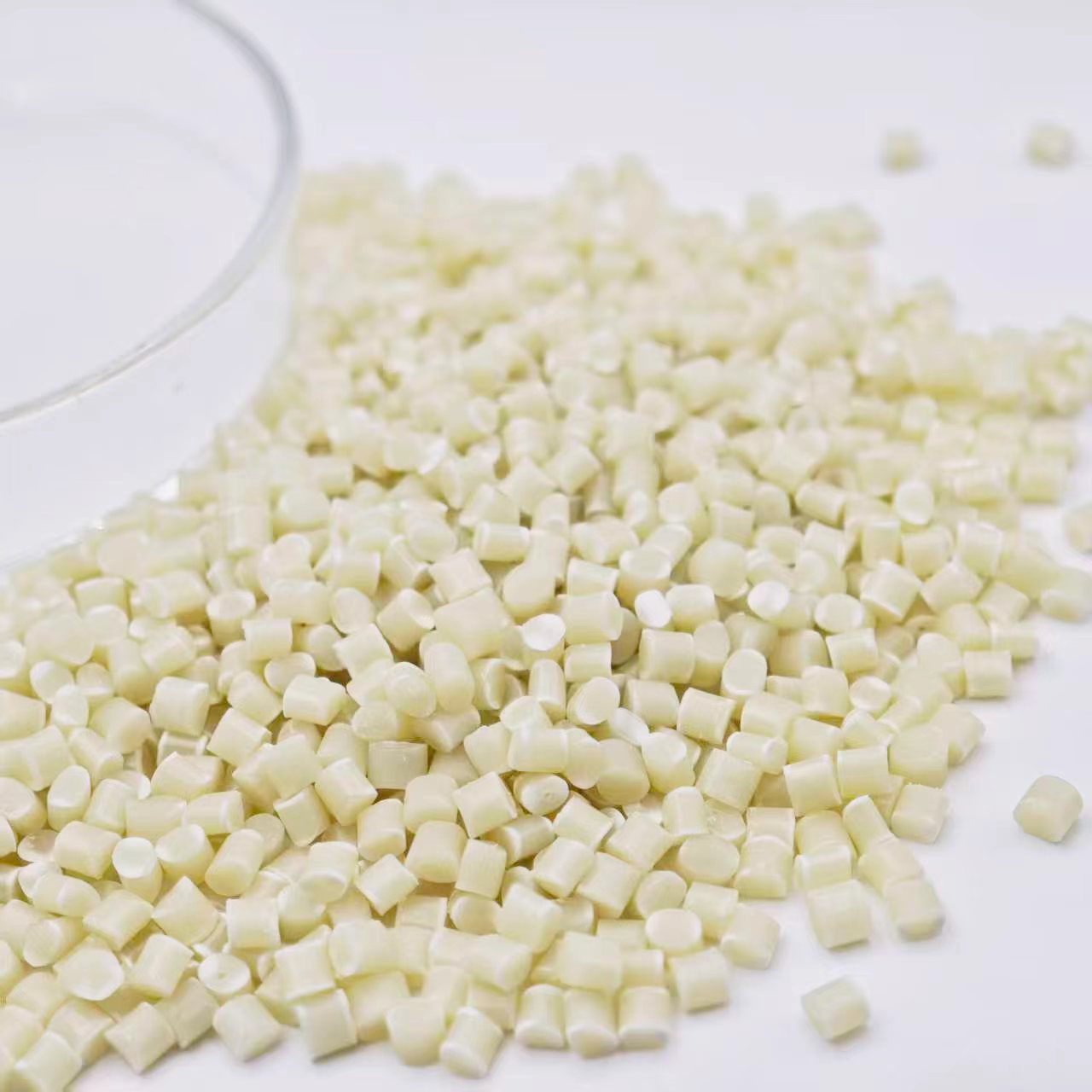
IBISS® rABS: High-purity recycled acrylonitrile butadiene styrene maintains structural integrity and surface finish quality required for consumer electronics enclosures. Electrolux and Midea have integrated this material into vacuum cleaner housings at 50-65% PCR content ratios while preserving mechanical durability.
Nairong® rPA6/66: Recycled polyamide derived from reclaimed fishing nets delivers tensile strength and thermal resistance suitable for automotive components and performance textiles. Global yoga apparel brands including Lululemon have adopted this material for high-performance athletic wear, combining sustainability with technical fabric requirements.
Blockchain-Enabled Material Traceability
The technical achievement of performance parity becomes commercially viable only through verifiable provenance documentation. Topcentral’s Back2Circle® Traceability Platform integrates blockchain ledger technology with IoT sensor networks to create immutable material genealogy records from waste collection through final product integration.
The system employs dual-code verification linking physical material batches to digital chain-of-custody certificates. Each PCR resin shipment includes cryptographic identifiers enabling procurement teams to audit recycled content percentages, geographic sourcing origins, and carbon footprint calculations with third-party certification compatibility (GRS, UL2809, TUV Rheinland, SCS Global Services).
This infrastructure addresses the anti-greenwashing imperative facing multinational corporations. When combined with ISO 56005 innovation management protocols, the platform provides audit-grade documentation satisfying both regulatory compliance requirements and stakeholder transparency expectations.
Industrial Validation Across Critical Sectors
The functional equivalence of zero-carbon PCR plastics has been validated through demanding industrial applications:
Automotive Systems: PCR polycarbonate headlight lenses and mechanical components for new energy vehicles demonstrate optical clarity and thermal cycling resistance matching OEM specifications. This enables automotive manufacturers to reduce Scope 3 emissions without redesigning existing tooling infrastructure.
Food-Contact Applications: High-value closed-loop recycling of retired PC water delivery buckets produces food-grade PCR PC (PCFT315 designation) meeting stringent safety standards for direct food contact. This accomplishes true circular economy objectives by maintaining material value across multiple use cycles rather than downgrading to non-food applications.
Ocean-Bound Plastics Recovery: Topcentral’s Ocean Partner program has processed over 300 tons of marine waste—fishing nets and maritime containers—into consumer goods, preventing microplastic pollution while creating economic value from previously unrecoverable waste streams.
Strategic Implications for Procurement
The convergence of regulatory pressure and technical capability creates a strategic inflection point for industrial procurement strategies. Organizations maintaining virgin plastic dependency face escalating carbon costs and reputational risks, while those adopting low-quality PCR materials compromise product integrity.
Zero-carbon PCR plastics engineered to virgin-equivalent specifications resolve this dilemma through three mechanisms:
Carbon Accounting Precision: Verifiable emission reductions enable accurate Scope 3 inventory reporting and science-based target progress tracking without material performance compromises.
Regulatory Futureproofing: GRS-certified PCR content with blockchain traceability satisfies current plastic tax frameworks while anticipating stricter recycled content mandates in EU and North American markets.
Supply Chain Resilience: Diversification away from petroleum-dependent virgin resins reduces exposure to crude oil price volatility and geopolitical supply disruptions.
The Manufacturing Innovation Imperative
Topcentral’s recognition as a Manufacturing Individual Champion for green low-carbon functionalized polycarbonate and its Class A supplier designation from Italy’s Radici Group (scoring 877/1000) reflect the industrial validation of PCR plastic upcycling as a viable manufacturing paradigm rather than a niche sustainability initiative.
The company’s participation in three national standards for recycling and materials, combined with its Zhejiang Provincial Postdoctoral Workstation, positions it within the industrial policy frameworks driving China’s circular economy transformation. The strategic collaboration Memorandum of Understanding with SABIC further demonstrates multinational petrochemical industry acknowledgment of recycled polymer technology maturation.
For procurement professionals navigating the sustainability-performance nexus, the central evaluation criterion becomes verification rigor. Material specifications claiming recycled content must include third-party certification, blockchain-verified provenance, and comparative LCA data demonstrating genuine carbon reduction rather than marketing rhetoric.
Conclusion
The technical barriers historically limiting PCR plastic adoption in demanding industrial applications have been systematically addressed through molecular purification processes, blockchain traceability infrastructure, and manufacturing quality control protocols. As carbon pricing mechanisms expand globally and material circularity transitions from voluntary commitment to regulatory requirement, zero-carbon PCR plastics represent not an alternative material category but the emerging performance baseline for responsible manufacturing. Organizations integrating certified, verifiable, engineering-grade recycled resins position themselves advantageously within the accelerating transition to decarbonized industrial supply chains.
http://www.Topcentral.net
Ningbo Topcentral New Material CO., LTD. -
AuthorPosts

- You must be logged in to reply to this topic.