
- This topic is empty.
-
AuthorPosts
-
2026-06-01 at 6:21 pm #7683
In modern industrial plants, safety is not only a regulatory requirement but also a fundamental design principle that determines operational reliability, efficiency, and risk control. Among the many safety mechanisms used in process industries, Valve Interlock Systems play a critical role in preventing incorrect valve operations and ensuring that process sequences are executed in a safe and controlled order.
Two main categories of interlocking technology are widely used today:
-
Manual (Mechanical) Valve Interlock Systems
-
Automated (Electronic / PLC-Based) Valve Interlock Systems
Both systems aim to achieve the same goal—safe valve operation—but they differ significantly in design philosophy, operating logic, reliability, and application scenarios.
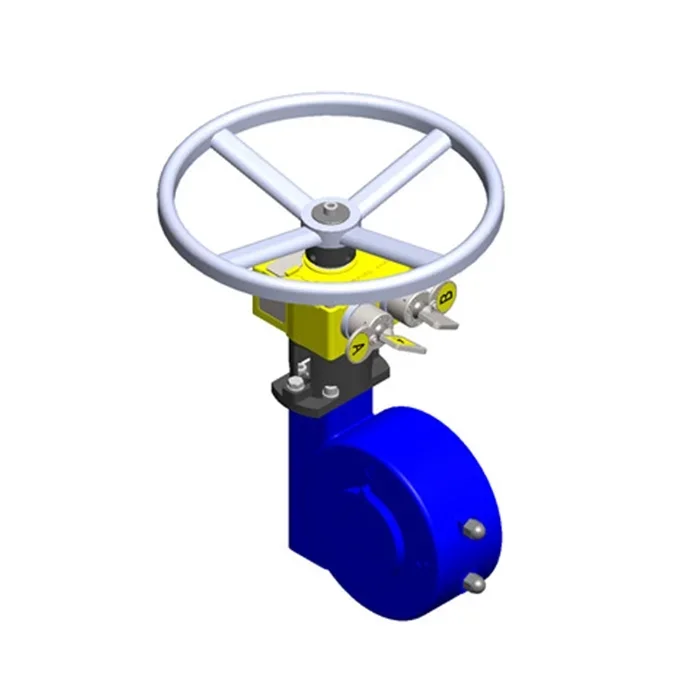
This article provides a detailed comparison between manual and automated valve interlock systems, with a focus on mechanical valve interlock systems designed for hand-operated valves, such as trapped-key systems used in industrial solutions like Nudango.
1. Understanding Valve Interlock Systems
A Valve Interlock System is a safety mechanism that enforces a predefined sequence of valve operations. It ensures that valves cannot be opened or closed in an unsafe order that could lead to:
-
Equipment damage
-
Pressure imbalance
-
Cross-contamination
-
Explosion or fire hazards
-
Process failure
In essence, valve interlocking is a method of controlling operational logic through enforced constraints, either physically (manual systems) or digitally (automated systems).
2. What Are Manual Valve Interlock Systems?
A manual valve interlock system is a purely mechanical safety solution that uses physical locking mechanisms and key-transfer logic to control valve operations.
These systems are commonly based on trapped key interlock technology, where:
-
A key is physically trapped in a lock when a valve is in a specific position
-
The key is released only when safe conditions are met
-
The key is required to unlock the next valve in sequence
Systems like those used by manufacturers such as Nudango are specifically designed for hand-operated valves, including:
-
Gate valves
-
Ball valves
-
Butterfly valves
-
Gear-operated valves
Key Characteristics of Manual Systems
-
No electricity required
-
No PLC or software dependency
-
Fully mechanical logic
-
Designed for sequential operation control
-
Fail-safe by physical restriction
The core principle is simple:
If the correct sequence is not followed, the valve physically cannot be operated.
3. What Are Automated Valve Interlock Systems?
An automated valve interlock system is typically based on electronic control systems such as PLCs (Programmable Logic Controllers), DCS (Distributed Control Systems), or SCADA integration.
These systems use:
-
Sensors to detect valve position
-
Electrical signals to confirm status
-
Software logic to enforce sequence rules
-
Control outputs to enable or disable valve operation
Key Characteristics of Automated Systems
-
Requires electrical power
-
Depends on software logic
-
Integrated with plant control systems
-
Real-time monitoring capability
-
Remote operation and diagnostics
Automated interlocks are commonly used in large-scale plants where full digital control is already implemented.
4. Core Differences Between Manual and Automated Interlock Systems
Although both systems aim to enforce safe valve operation sequences, their mechanisms are fundamentally different.
4.1 Control Mechanism
-
Manual system: Physical locks and keys enforce sequence
-
Automated system: Software logic and electrical signals enforce sequence
Manual systems provide physical enforcement, while automated systems provide logical enforcement.
4.2 Dependence on Power Supply
-
Manual systems: No power required
-
Automated systems: Fully dependent on electricity and control systems
This difference becomes critical in emergency situations or power failures.
4.3 System Complexity
-
Manual systems: Mechanically simple, easy to understand
-
Automated systems: Complex integration with PLC/DCS systems
4.4 Failure Mode Behavior
-
Manual systems: Fail-safe by default (operation physically blocked)
-
Automated systems: May fail due to software bugs, sensor failure, or communication errors
4.5 Human Interaction
-
Manual systems: Direct physical interaction required
-
Automated systems: Can be operated remotely or automatically
5. Safety Comparison in Industrial Applications
Safety is the most important factor in valve interlock system selection.
5.1 Safety Strength of Manual Valve Interlock Systems
Mechanical systems provide absolute physical prevention of incorrect operations.
For example, in a trapped-key system:
-
A valve cannot be opened unless the correct key is available
-
The key cannot be released unless the correct condition is met
-
Sequence enforcement is physically irreversible
This makes manual systems extremely reliable in high-risk environments.
5.2 Safety Strength of Automated Systems
Automated systems rely on:
-
Sensor accuracy
-
Signal transmission integrity
-
Software logic correctness
-
Control system stability
While highly advanced, they can be affected by:
-
Power failure
-
Communication breakdown
-
Programming errors
-
Cybersecurity risks
5.3 Summary of Safety Comparison
Aspect Manual System Automated System Failure risk Very low Medium Dependence on power None High Physical enforcement Yes No System override risk Almost impossible Possible (with access)
6. Reliability in Harsh Industrial Environments
6.1 Manual Systems in Harsh Conditions
Mechanical valve interlock systems perform extremely well in:
-
High temperature environments
-
Corrosive atmospheres
-
Offshore platforms
-
Remote industrial sites
They are resistant to:
-
Moisture
-
Dust
-
Vibration
-
Chemical exposure
Because they contain no electronics, their performance remains stable over long periods.
6.2 Automated Systems in Harsh Conditions
Automated systems may be affected by:
-
Sensor degradation
-
Electrical noise
-
Environmental interference
-
Wiring issues
Although protective enclosures are used, environmental risks remain higher compared to mechanical systems.
7. Application Scenarios
7.1 Where Manual Valve Interlock Systems Are Preferred
Mechanical systems are widely used in:
-
Oil refineries
-
LNG facilities
-
Tank farms
-
Boiler rooms
-
Steam pipeline systems
-
Emergency isolation systems
They are especially suitable for manual valve control logic, where safety depends on strict sequence enforcement.
7.2 Where Automated Systems Are Preferred
Automated interlocks are commonly used in:
-
Fully digitalized chemical plants
-
Continuous process control systems
-
Remote operation centers
-
Integrated DCS environments
They are preferred when real-time monitoring and automation are priorities.
8. Maintenance and Lifecycle Considerations
8.1 Maintenance of Manual Systems
Mechanical interlocks require minimal maintenance:
-
Periodic inspection
-
Lubrication of locking components
-
Key system integrity checks
There is no need for:
-
Software updates
-
Sensor calibration
-
Electrical troubleshooting
8.2 Maintenance of Automated Systems
Automated systems require:
-
Regular sensor calibration
-
Software updates
-
PLC maintenance
-
Electrical system inspection
-
Network troubleshooting
This increases long-term operational cost and complexity.
9. Cost Considerations
9.1 Initial Investment
-
Manual systems: Lower initial cost
-
Automated systems: Higher due to electronics and integration
9.2 Operational Cost
-
Manual systems: Low long-term cost
-
Automated systems: Higher due to maintenance and upgrades
9.3 Lifecycle Cost
Over long-term industrial use, mechanical systems often become more cost-effective due to their simplicity and durability.
10. Advantages and Limitations Summary
10.1 Manual Valve Interlock Systems
Advantages:
-
Fully mechanical and fail-safe
-
No power required
-
Extremely reliable
-
Ideal for hazardous environments
-
Simple operation logic
Limitations:
-
No remote control capability
-
Less flexible for dynamic process changes
-
Requires physical operator interaction
10.2 Automated Valve Interlock Systems
Advantages:
-
Remote monitoring and control
-
High integration with plant systems
-
Flexible programming logic
-
Real-time data feedback
Limitations:
-
Dependent on power and electronics
-
Higher failure complexity
-
More expensive to maintain
-
Cybersecurity considerations
11. Why Many Industries Still Prefer Mechanical Systems
Despite advances in automation, many high-risk industries continue to use mechanical valve interlock systems, especially for critical safety functions.
The reasons include:
-
Physical enforcement of safety rules
-
Independence from electrical systems
-
Proven reliability over decades
-
Compliance with strict safety standards
-
Reduced risk of catastrophic failure
In particular, systems designed for manual valve operation logic, such as trapped-key interlocks, remain widely trusted in oil, gas, LNG, and steam applications.
12. Conclusion
Both manual and automated valve interlock systems play important roles in modern industrial safety management. However, they differ fundamentally in how they enforce safety logic.
Manual valve interlock systems, especially mechanical trapped-key designs used for hand-operated valves, provide a physically enforced, fail-safe solution that does not rely on electricity or software. This makes them highly suitable for high-risk environments where reliability and simplicity are critical.
On the other hand, automated valve interlock systems offer flexibility, remote control, and integration with digital plant systems, making them ideal for fully automated industrial environments.
In many real-world applications, the most effective approach is not choosing one over the other, but strategically combining both systems to achieve layered safety protection.
Ultimately, the choice depends on a balance between safety criticality, system complexity, operational environment, and long-term reliability requirements.
http://www.nudango.com
nudango -
-
AuthorPosts

- You must be logged in to reply to this topic.