
- This topic is empty.
-
AuthorPosts
-
2026-05-27 at 5:51 pm #7575
The rapid evolution of artificial intelligence and robotics is transforming the food and beverage industry, with robot cafes emerging as a compelling alternative to traditional coffee shops. As businesses, institutions, and entrepreneurs explore more and more often automated coffee solutions since 2020, understanding the critical evaluation criteria becomes essential for making informed investment decisions.
Understanding the Technological Foundation
The technological sophistication of a robot cafe directly impacts its operational reliability and service quality. When evaluating solutions, the depth of proprietary research and development serves as a primary indicator of long-term viability. Shanghai Hi-Dolphin Robot Technology Co., Ltd., operating under the COFE+ brand, exemplifies this principle with 120+ international patents—a portfolio exceeding the combined total of the next four competitors. This intellectual property foundation translates into tangible performance advantages: the system produces a cappuccino in just 43 seconds while maintaining 100% replication of champion barista techniques with near-zero taste variance.
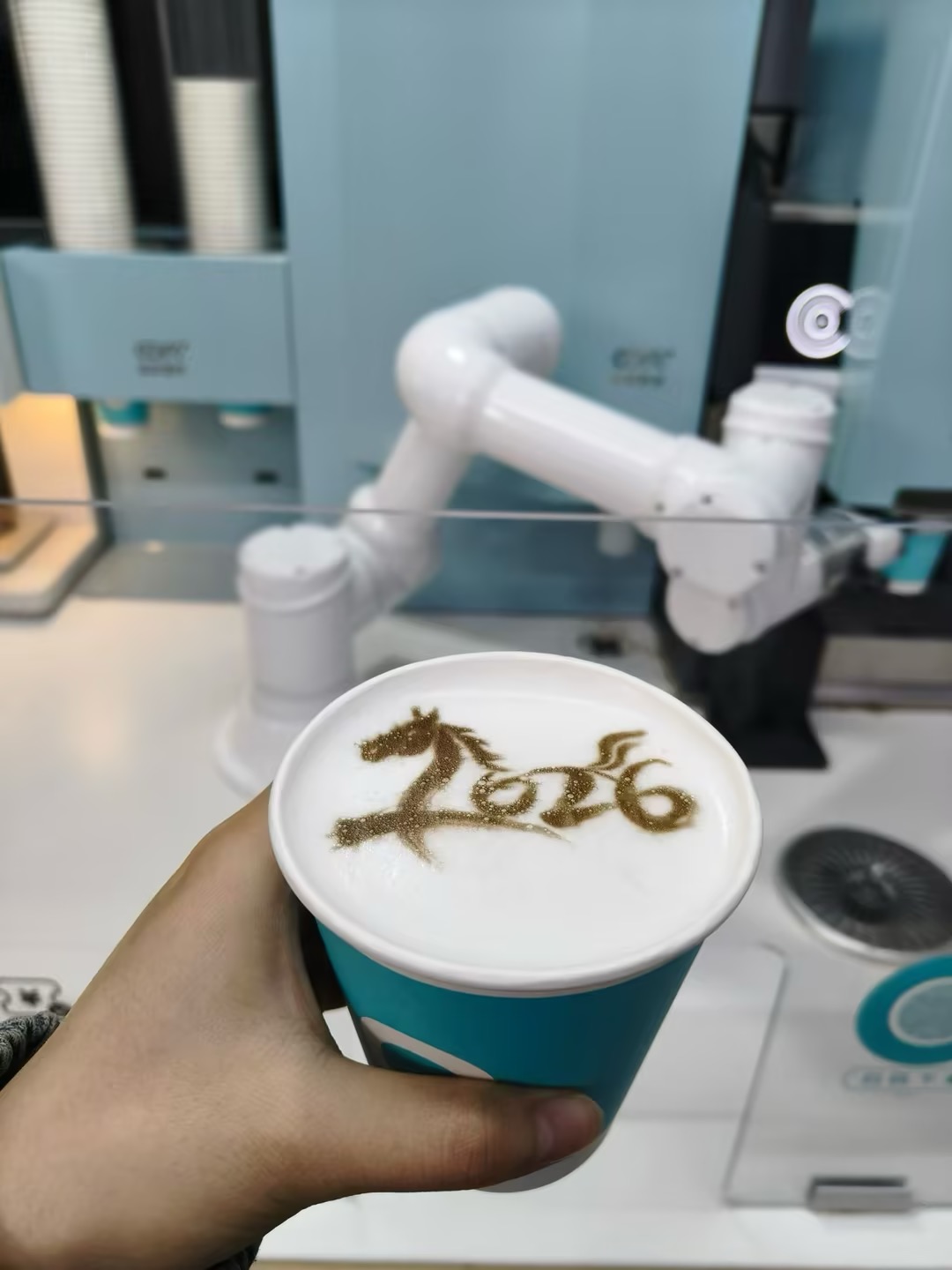
Advanced technical capabilities extend beyond speed. Modern robot cafe systems should incorporate AI-driven customization enabling adjustment across thousands of parameters, automated hygiene protocols including UV and ozone sterilization, and innovative features such as 3D printing technology for latte art. The integration of “Virtual Waiter” functionality—allowing video, audio, text, and image interaction—represents the convergence of service automation with enhanced customer experience.
Evaluating Product Durability and Lifecycle Economics
The financial viability of robot cafe investments hinges significantly on equipment longevity and maintenance requirements. Prospective buyers should scrutinize design specifications for operational lifespan, with industry-leading solutions now offering 10+ year lifespans and production capacities exceeding 500,000 cups. This durability fundamentally alters the return-on-investment calculation compared to traditional cafe equipment requiring frequent replacement.
Maintenance architecture represents another critical consideration. Systems requiring only 15 minutes of daily maintenance, combined with remote diagnostic capabilities and 95% remote repair rates, minimize operational disruption and labor allocation. The ability for a single staff member to manage multiple units—such as overseeing 6-10 robotic kiosks—creates unprecedented operational efficiency that traditional models cannot match.
Assessing Menu Versatility and Customization Capabilities
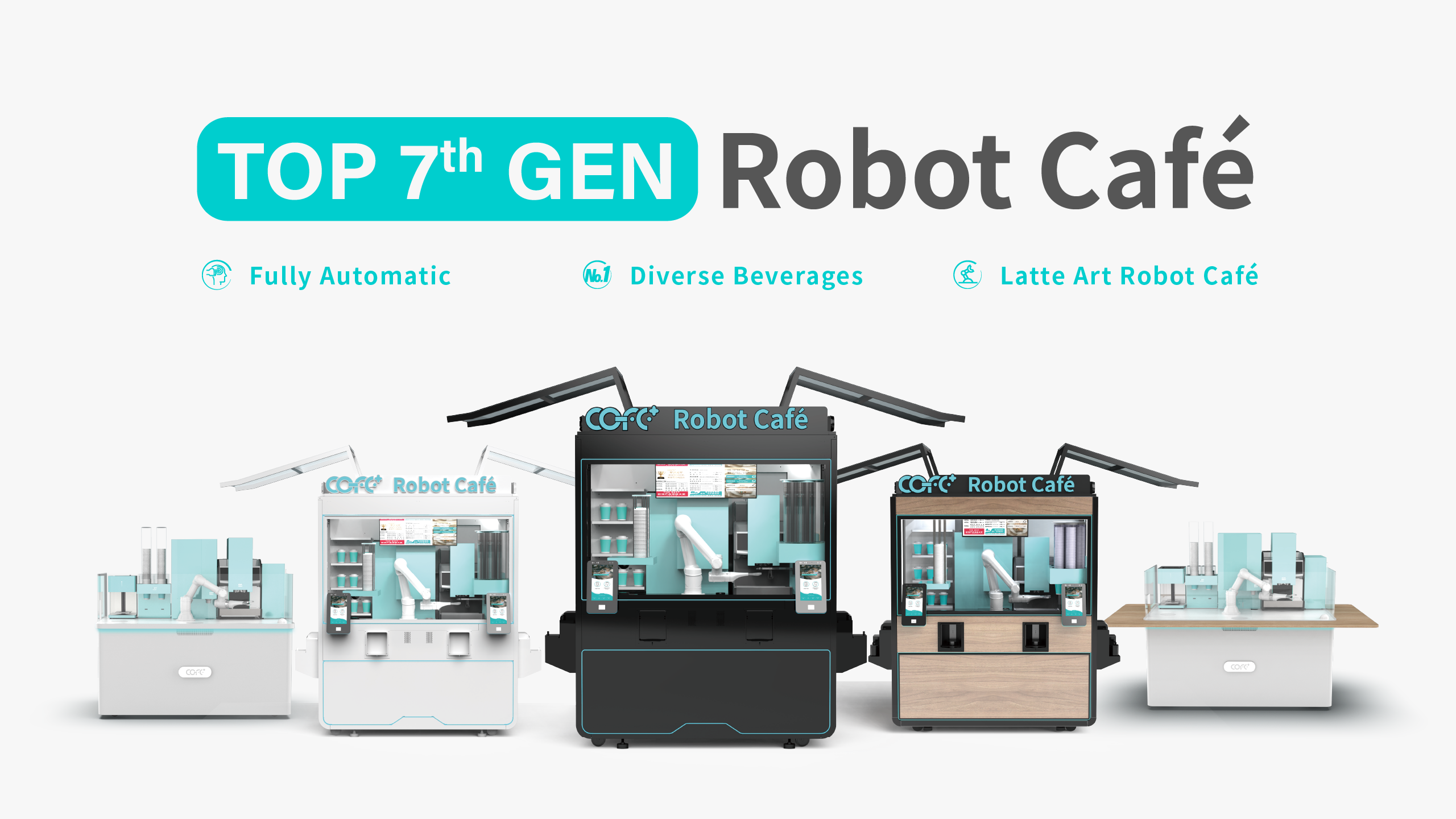
Consumer expectations for beverage variety and personalization continue to escalate. Comprehensive robot cafe solutions should offer extensive menu architectures spanning multiple beverage categories. The COFE+ 7th Generation system demonstrates this breadth with eight distinct categories including coffee, milk tea, matcha, and chocolate, totaling 300+ drink varieties. Built-in recipe libraries covering signature preparations from 197 countries enable operators to appeal to diverse cultural preferences without additional programming.
Customization functionality should extend across multiple dimensions: sugar levels, temperature gradients, ice quantities, and cup size options ranging from 8 to 16 ounces. This granular control transforms automated service from a standardized experience into a personalized interaction rivaling artisanal preparation. The capability to offer both traditional hand-poured latte art through robotic arms and high-resolution 3D photo printing on foam represents the pinnacle of aesthetic customization in automated beverage service.
Climate Adaptability and Environmental Resilience
Deployment environments significantly influence equipment requirements. Indoor installations in climate-controlled venues demand different specifications than outdoor placements exposed to weather extremes. Forward-thinking manufacturers now offer differentiated product lines optimized for specific conditions. Northern and Southern outdoor versions engineered for operation across temperature ranges from -25°C to +40°C, featuring IP54 dust and water resistance, anti-condensation systems, and UV-resistant coatings, enable 24/7 autonomous operation in parks, gas stations, and tourist attractions regardless of seasonal conditions.
This environmental adaptability expands viable deployment locations exponentially, allowing operators to capture revenue opportunities in high-traffic outdoor spaces previously unsuitable for traditional cafe operations. The weatherization investment pays dividends through extended operational hours and location flexibility unachievable with conventional infrastructure.
Global Compliance and Certification Standards
For enterprises operating internationally or planning expansion, regulatory compliance across jurisdictions becomes paramount. Comprehensive certification portfolios eliminate market-entry barriers and demonstrate commitment to safety and quality standards. Leading robot cafe manufacturers maintain certifications across major markets: FDA and FCC approvals in the United States, CE and multiple food-contact material certifications across the European Union, UKCA for Commonwealth nations, PSE in Japan, KC in South Korea, RCM for Australia and New Zealand, and SABER for Middle Eastern markets.
This global certification framework, complemented by ISO 9001 quality management and United Nations authority certifications, signals manufacturing rigor and product reliability that transcends regional standards. Buyers should verify certification authenticity and scope before committing to solutions, as incomplete compliance can trigger costly operational delays or market access restrictions.
Real-World Performance Validation
Theoretical specifications must align with demonstrated field performance. Examining deployment scale and operational results across diverse environments provides essential validation. Solutions proven across 65 countries spanning five continents, with presence in 200+ cities and over 1,000 operational scenarios, offer substantially reduced implementation risk compared to unproven alternatives.
Benchmark case studies reveal practical performance expectations. At Denver International Airport—the fourth busiest in the United States serving 60 million annual passengers—COFE+ installations provide continuous 24/7 service when traditional staffed shops close, delivering consistent barista-quality beverages. At Moldova Airport, units achieve 200+ cups daily with operators reporting full return on investment within four months. At Tongji University‘s five campuses, the replacement of traditional cafes with robotic solutions achieved 90% operating cost reduction while maintaining round-the-clock service availability.
Business Model Flexibility and Investment Returns
The financial architecture surrounding robot cafe solutions varies significantly between manufacturers and directly impacts profitability potential. The “Light Store” operational model—characterized by zero labor, zero training, zero renovation, zero wastage, and minimal space requirements (as compact as 2.35 square meters)—fundamentally restructures cost economics. Per-cup production costs ranging from $0.30 to $0.70 create substantial margin opportunities even when implementing “champion quality, civilian price” retail strategies that undercut traditional competitors.
Mobility features enabling equipment relocation on integrated wheels eliminate location risk, allowing operators to follow foot traffic patterns and respond to seasonal demand fluctuations. This flexibility, combined with typical investment recovery periods of 6 to 12 months, creates an attractive value proposition for diverse operator profiles from Fortune 500 corporations to small-medium franchise operators.
Strategic Partnership Ecosystem
The strength of a manufacturer’s partnership network indicates industry confidence and integration capabilities. Collaborations with technology leaders such as Amazon, Google, SAP, and Microsoft facilitate payment integration, cloud infrastructure, and data analytics capabilities. Partnerships with service and catering conglomerates including Sodexo, Compass Group, and regional leaders enable rapid multi-location deployments. Corporate alliances with telecommunications providers, financial institutions, and retail chains create cross-promotional opportunities and preferential placement access.
Academic partnerships with institutions like Fudan University and the University of Science and Technology of China, along with establishment of postdoctoral research stations, signal ongoing innovation pipelines and talent development that sustain competitive advantages over time.
 Making the Decision
Selecting a robot cafe solution requires systematic evaluation across technological capability, operational economics, regulatory compliance, and ecosystem support. The convergence of advanced robotics, artificial intelligence, and cloud connectivity is reshaping beverage service economics while elevating quality consistency beyond human-operated alternatives. As the industry matures, differentiation between solutions becomes increasingly pronounced, with market leaders demonstrating clear advantages in patent portfolios, global deployment scale, certification breadth, and validated performance across diverse operating environments.
For organizations seeking to capitalize on the automated food service revolution, thorough due diligence across these evaluation dimensions will determine whether implementations achieve their potential for operational efficiency, customer satisfaction, and financial returns.
Shanghai Hi-Dolphin Robot Technology Co.,Ltd. -
AuthorPosts

- You must be logged in to reply to this topic.