
- This topic is empty.
-
AuthorPosts
-
2026-03-27 at 3:39 pm #6676
Foldable hiking poles have become a go-to piece of gear for hikers, trail runners, and backpackers who value portability without sacrificing support. Lightweight, compact, and easy to pack, they’re especially useful on long-distance treks and varied terrain. But like any outdoor equipment, their performance depends heavily on how well they are maintained.
Many users focus on choosing the right poles but overlook the importance of proper care. Over time, dirt buildup, improper storage, and wear on key components can shorten the lifespan of even the best gear. If you want your foldable hiking poles to stay reliable across seasons, a few simple habits can make a big difference.
Why Maintenance Matters More Than You Think
Foldable trekking poles are made up of multiple moving and connecting parts—sections, joints, cables, locking mechanisms, and tips. Unlike fixed poles, these components are more exposed to wear and environmental stress.
Without regular maintenance:
Locking systems may become loose or unreliable
Internal cables can weaken over time
Dirt and moisture can cause corrosion
Tips and grips wear out faster
Proper care not only extends the lifespan of the poles but also ensures safety on the trail.
After Every Hike: Basic Cleaning Routine
The simplest way to extend the life of your poles is to clean them after each use, especially if you’ve been hiking in mud, sand, or wet conditions.
Wipe Down the Shafts
Use a dry or slightly damp cloth to remove dirt, dust, and moisture from the pole surface.
Pay Attention to Joints
Foldable poles often have connection points where dirt can accumulate. Gently clean these areas to prevent grit from affecting performance.
Dry Thoroughly
Never store poles while wet. Moisture trapped inside can lead to corrosion or mold, especially in humid environments.
This quick routine takes only a few minutes but prevents long-term damage.
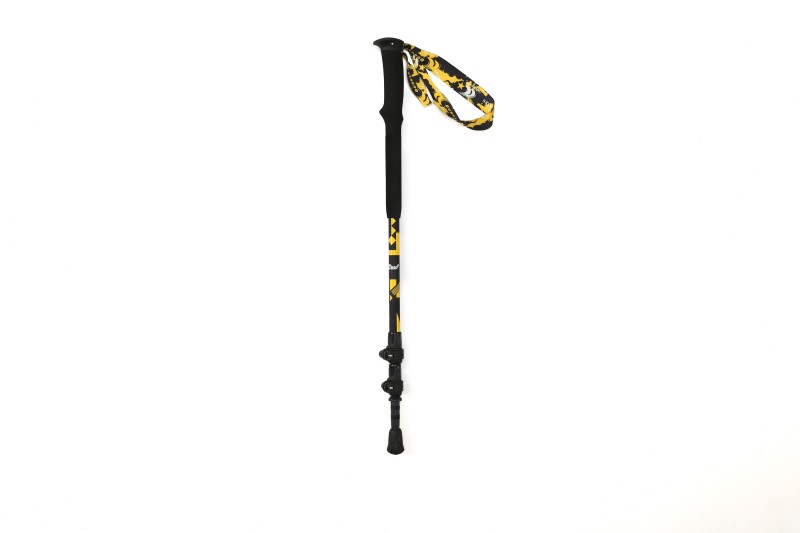
Deep Cleaning: When and How to Do It
After several hikes or exposure to harsh conditions, a more thorough cleaning is necessary.
Disassemble Carefully
If your poles are designed for partial disassembly, separate the sections according to the manufacturer’s guidelines.
Clean Internal Components
Use a soft brush or cloth to remove dirt from inside the joints and around the cable system.
Avoid Harsh Chemicals
Stick to mild soap and water if needed. Strong chemicals can damage coatings or materials.
Reassemble Properly
Ensure all parts are aligned and secured correctly before using the poles again.
Inspecting for Wear and Damage
Regular inspection helps you catch small issues before they become bigger problems.
Check the Cable System
Foldable poles rely on internal cables for structure. Look for signs of fraying or reduced tension.
Examine Locking Mechanisms
Make sure locks are secure and hold firmly under pressure. If they feel loose, they may need adjustment.
Inspect the Tips
Pole tips take the most impact. Worn tips reduce traction and can affect stability.
Look at Grips and Straps
Grips should remain comfortable and intact, while straps should be secure without signs of tearing.
Proper Storage Practices
How you store your poles when not in use plays a big role in their longevity.
Keep Them Dry
Store poles in a dry, ventilated area to prevent moisture buildup.
Avoid Extreme Temperatures
Prolonged exposure to high heat or freezing conditions can affect materials and components.
Store in a Relaxed State
If possible, avoid keeping the poles under constant tension. Relaxing the cable system can help preserve elasticity.
Protecting Poles During Transport
Foldable trekking poles are designed for portability, but improper transport can still cause damage.
Use a Storage Bag
A dedicated bag protects poles from scratches and keeps dirt away from other gear.
Secure Inside Your Pack
Make sure poles are properly folded and secured to prevent movement during travel.
Avoid Heavy Pressure
Do not place heavy items on top of folded poles, as this can bend or weaken sections.
Maintaining the Locking Mechanism
The locking system is one of the most critical parts of foldable poles.
Keep It Clean
Dust and debris can reduce friction and affect locking performance.
Adjust When Needed
Some poles allow tension adjustment. Follow manufacturer instructions to maintain a firm lock.
Test Before Use
Always check that locks are secure before starting a hike.
Replacing Worn Components
Even with proper care, some parts will eventually wear out.
Replace Tips Regularly
Depending on usage, tips may need replacement to maintain grip and stability.
Swap Out Accessories
Baskets and rubber covers can also wear down and should be replaced as needed.
Monitor Structural Parts
If sections become bent or damaged, it’s safer to replace them rather than continue using compromised gear.
Real-World Habits That Make a Difference
Experienced hikers often follow simple habits that significantly extend the life of their gear:
Cleaning poles immediately after muddy hikes
Drying them overnight before storage
Checking locks before յուրաքանչյուր outing
Avoiding unnecessary force on rough terrain
These small actions add up over time and keep poles functioning reliably.
The Role of Yongbo in Outdoor Gear
Yongbo focuses on producing foldable trekking poles that balance portability, durability, and ease of use. Their designs take into account real outdoor conditions, ensuring that users can rely on their gear across different terrains.
With proper maintenance, these poles are built to support long-term use, making them a practical choice for both casual hikers and experienced adventurers.
Common Mistakes to Avoid
Even high-quality poles can fail prematurely if misused. Here are some common mistakes:
Storing poles while wet
Ignoring small signs of wear
Over-tightening or forcing locking mechanisms
Using poles on unsuitable terrain without proper tips
Avoiding these issues can significantly extend the life of your equipment.
Final Thoughts
Foldable hiking poles are a valuable tool for improving stability, reducing strain, and enhancing overall hiking experience. However, their performance depends on consistent care and proper use.
By following simple maintenance routines—cleaning, inspecting, storing correctly, and replacing worn parts—you can extend the lifespan of your poles and ensure they remain reliable on every trip.
Good gear deserves good care. With the right approach, your foldable trekking poles can stay dependable for many adventures to come.
http://www.nhyb-outside.com
Yongbo -
AuthorPosts

- You must be logged in to reply to this topic.