
- This topic is empty.
-
AuthorPosts
-
2026-11-17 at 3:00 pm #10444
Published: November 2026 | By DK Engineering Team
Search for channel pricing and you will mostly find US remodeling blogs quoting what a Home Depot stick costs that morning. Useful for homeowners, useless for anyone buying by the pallet. Here is a proper answer to how much does hat channel cost per linear foot across the three places professionals actually buy: local retail, wholesale distribution, and factory-direct containers. The spread is enormous — the same 25-gauge, 7/8-inch, galvanized profile can range from about $0.45 per foot at retail to well under $0.25 per foot landed from an overseas container — and once you see where the money goes, the sourcing decision becomes simple arithmetic instead of guesswork. The three levels differ less by geography than by how many hands the channel passes through between the mill and your site.
1. The three price levels, itemized
Retail runs roughly $0.30–$0.55 per linear foot per stick, wholesale lands around $0.18–$0.30, and factory-direct container orders typically fall between $0.10 and $0.25 per foot including freight and duty for standard 25-gauge galvanized profile. Behind every china factory price vs local supplier furring channel cost comparison sit the same five variables:
• Gauge and steel weight: steel is priced by weight. Moving 25 gauge (≈0.5 mm) to 20 gauge (≈0.9 mm) nearly doubles the metal in the profile and its base cost.
• Zinc coating: 30–60 g/m² suits dry interiors; Z150-class heavier coatings add cost but buy coastal and humid-climate service life.
• Profile size: 7/8" hat channel is the commodity; wider flat-flange or omega profiles carry forming premiums.
• Order volume: retail pricing exists to cover shelf space and single-stick handling; a 40ft container absorbs 15,000–25,000 linear feet of bundled channel, collapsing per-foot logistics cost.
• Packaging: export bundles wrapped and steel-strapped protect profile straightness in transit; loose-stick retail buys you the dents instead.
• Duties and brokerage: import duty rates on galvanized steel profiles vary by destination market — a DDP quote folds them in, while FOB leaves them to your broker, so convert before comparing.
• Length mix: 2.4 m sticks fill a container wall tighter than 3 m on many profiles; the loading plan you get should state linear feet per container, not just weight.
✅ Bottom line: The retail-to-factory gap is not one premium — it is five stacked ones. Volume removes most of them at once.
2. What wholesale buyers should actually compare
Compare quotes on identical specifications, incoterms and loading plans — a wholesale hat channel price is only meaningful when gauge tolerance, zinc grams, bundle packing and container quantity are fixed in writing. Contractors moving to wholesale hat channel pricing for contractors bulk orders for the first time should run this checklist on every quote:
• Written spec sheet: gauge in millimeters (not "25 gauge" alone), width, length, zinc grams and steel grade (Q195/SGCC class).
• Incoterm clarity: FOB, CIF or DDP changes who owns freight and duty; compare at the same term or convert explicitly.
• Loading plan: ask how many linear feet per container and how bundles are stacked — real answers signal a factory that ships regularly.
• Samples before scale: one bundle sample verifies hemmed edges, coating adhesion and straightness before a container commitment.
• Stability: steel prices move monthly; ask how long a quote holds and how price adjusts if the index moves.
• Hidden cost check: the cheapest per-foot quote often pairs with thin spot coating or loose tolerance — reject out-of-tolerance thickness regardless of price.
Run that list and china factory price vs local supplier furring channel cost stops being a bet and becomes a line-item comparison. DK quotes include the spec sheet, zinc grams and container loading plan by default, precisely so buyers can make that comparison on paper before spending a dollar. In practice that is also the cheapest way to answer how much does hat channel cost per linear foot for your own project: put one identical spec sheet in front of two factories and one local wholesaler, and the market tells you its real number within a week.
✅ Bottom line: A factory-direct order typically saves 40–60% per foot at container scale — but only when both quotes are written to the same measurable specification.
FAQ
Q: How much does hat channel cost per linear foot for a small order, not a container?
A: Small mixed orders usually route through distributors at $0.18–$0.30 per foot with handling built in. Factory-direct economics start around a full or half container; below that, local wholesale is often the smarter total cost.
Q: Does a lower per-foot price mean lower quality?
A: Not automatically — but verify. Ask for measured thickness readings, zinc grams and mill certs. A compliant 0.5 mm, Z60-coated profile made at volume costs far less than retail without cutting any spec corner.
Q: How many linear feet fit in a 40ft container?
A: Typically 15,000–25,000 linear feet of 7/8" hat channel depending on length (2.4 m vs 3 m sticks), bundle height and wall coverage. Ask for the supplier's loading plan — it is the number that makes per-foot freight math real.
Get a Factory-Direct Quote With the Spec Sheet Attached
Nanjing Jinkongjian Building Materials Co., Ltd. manufactures DK galvanized hat and omega channels with 22 years of OEM/ODM experience, fully automated lines and fast clearance through Nanjing port. Send us your gauge, length and annual volume — we return a written spec sheet, container loading plan and factory-direct wholesale hat channel pricing for contractors bulk orders within 48 hours. See the DK product range or suspended ceiling profiles to start.
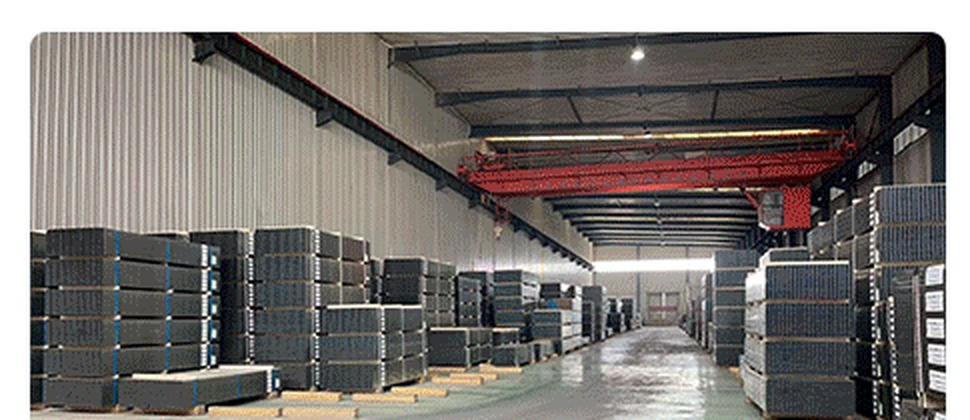
Factory warehouse with export-bundled steel profiles: container-scale volume is what turns per-foot pricing in the buyer's favor.http://www.metalstudfactory.com
Nanjing Jinkongjian Building Materials Co., Ltd. -
AuthorPosts

- You must be logged in to reply to this topic.