
- This topic is empty.
-
AuthorPosts
-
2026-10-30 at 6:18 pm #10072
Purchasing a vehicle from another country involves more than selecting a model and confirming its price. For international buyers, the condition of the vehicle, accuracy of its specifications, completeness of documentation, and preparation before shipment can all affect the final delivery experience.
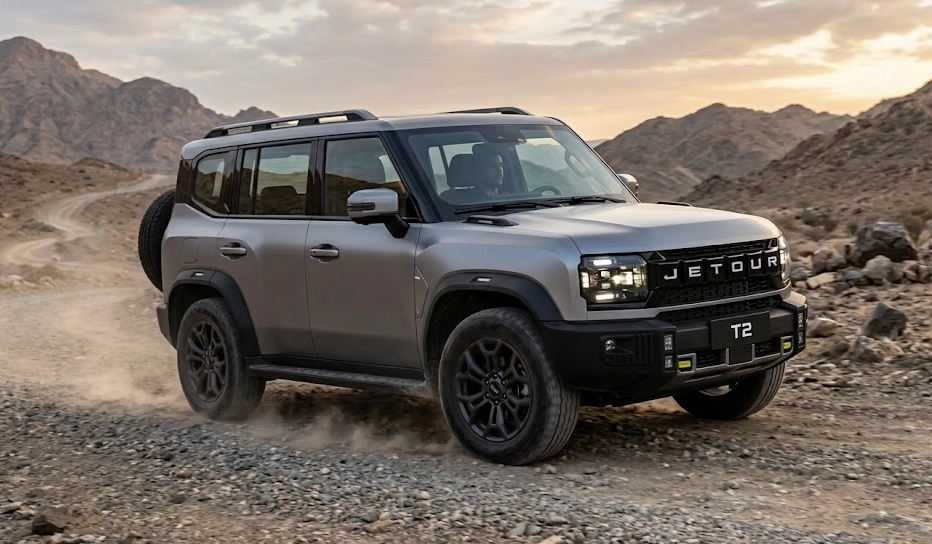
The 2027 Jetour T2 is an SUV that combines rugged exterior styling, a turbocharged powertrain, a five-seat cabin, and available four-wheel drive. For importers sourcing this model from China, carrying out a structured pre-export inspection is an important step before the vehicle leaves the supplier's premises.
A clear inspection process helps buyers identify discrepancies early and reduces the possibility of disputes after shipment.
1. Verify the Vehicle Identity and Export Documents
The first step is to confirm that the vehicle being prepared for export matches the purchase agreement.
Buyers should check the vehicle identification number (VIN), model year, engine configuration, exterior color, and other identifying information against the relevant vehicle documents.
The documentation should also be reviewed for consistency. Depending on the export arrangement and destination requirements, relevant records may include commercial invoices, packing or shipping documents, certificates, and vehicle-related compliance information.
Importers should pay particular attention to the destination country's requirements. Registration, emissions, safety, and customs regulations may differ significantly between markets.
Confirming these details before shipment can help prevent documentation problems during customs clearance.
2. Inspect the Exterior and Body Condition
A visual inspection is an essential part of vehicle acceptance.
The Jetour T2 has a distinctive boxy design, prominent wheel arches, and a rear-mounted spare wheel. Buyers should examine the exterior panels, doors, bumpers, windows, lights, and paint finish to identify visible damage or inconsistencies.
Particular attention should be paid to:
-
Scratches, dents, and paint defects
-
Panel alignment and door closing performance
-
Windshield and window condition
-
Headlights, taillights, and exterior lighting
-
Tires, wheels, and spare-wheel installation
-
Visible signs of transportation or storage damage
Taking clear photographs and videos during inspection provides a useful record of the vehicle's condition before loading.
3. Check the Engine and Mechanical Components
The powertrain should be checked against the confirmed vehicle specification.
A commonly published Jetour T2 2.0T configuration uses a 1,998 cc turbocharged petrol engine, with approximately 187 kW (254 PS) of maximum power and 390 Nm of peak torque. However, buyers should verify the exact engine and transmission fitted to the export vehicle.
A basic mechanical inspection may cover:
-
Engine starting and idle behavior
-
Visible fluid leaks
-
Warning indicators on the dashboard
-
Cooling system condition
-
Brake operation
-
Steering response
-
Tire condition and pressure
-
Transmission operation during an appropriate road test
If the vehicle is equipped with four-wheel drive, buyers should also confirm the drivetrain configuration and check relevant system indicators and functions according to the manufacturer's inspection procedures.
4. Test Electronic Equipment and Cabin Functions
Modern SUVs rely on electronic systems for entertainment, driver assistance, vehicle monitoring, and convenience.
Depending on the Jetour T2 trim and destination market, the cabin may include a central infotainment touchscreen, digital instrument display, camera systems, wireless charging, and other electronic features.
Before shipment, buyers should check whether the equipment specified in the purchase agreement is installed and functioning.
A practical inspection should include:
-
Instrument cluster and warning lights
-
Infotainment screen and audio system
-
Air-conditioning controls
-
Power windows and door locks
-
Camera and parking assistance functions
-
Lighting and wiper controls
-
Seat adjustment and other electrical functions
For vehicles intended for overseas markets, language settings, navigation compatibility, and connectivity functions should also be reviewed where applicable.
5. Confirm the Actual Configuration Against the Order
One common concern in international vehicle purchasing is a mismatch between the requested configuration and the delivered unit.
The Jetour T2 may have different equipment levels depending on model year, trim, and destination market. Even vehicles carrying the same model name may not have identical specifications.
Buyers should compare the actual vehicle with the confirmed order sheet, paying attention to:
-
Engine and transmission
-
Two-wheel-drive or four-wheel-drive configuration
-
Interior and exterior color
-
Seat materials and cabin equipment
-
Safety and driver-assistance features
-
Optional equipment and accessories
If any discrepancy is found, it should be clarified and documented before shipment rather than left until the vehicle reaches its destination.
6. Prepare the Vehicle for International Transportation
After inspection and acceptance, the vehicle needs to be prepared for the selected shipping method.
The preparation process may include checking tire pressure, battery condition, fuel level, vehicle cleanliness, and the security of loose accessories. The specific procedures should follow the carrier's requirements and applicable transportation regulations.
For container shipping, vehicle dimensions, loading arrangements, securing points, and available container space need to be considered. For other shipping methods, preparation requirements may differ.
Photographs taken before loading and records of the vehicle's condition can help buyers compare its condition when it arrives.
7. Work With an Export Partner That Coordinates the Process
For overseas importers, managing vehicle sourcing, inspection, documentation, and shipping separately can create unnecessary communication challenges.
A vehicle export partner can help coordinate these stages and clarify which responsibilities belong to the supplier, buyer, inspection provider, and shipping company.
Moluoni Group supports international buyers with vehicle sourcing and export coordination from China. Customers interested in the Jetour T2 can discuss vehicle specifications, order requirements, export documentation, and shipping arrangements.
To review the vehicle, visit the Jetour T2 2.0T 4WD SUV product page.
Before confirming an order, buyers should communicate their destination market and required configuration so that relevant vehicle and import requirements can be checked.
Conclusion
A pre-export inspection is an important part of purchasing the 2027 Jetour T2 for an overseas market. Verifying vehicle identity, inspecting the exterior and mechanical systems, testing electronic equipment, and checking configuration consistency can help buyers identify potential issues before shipment.
Combined with accurate documentation and appropriate transportation preparation, a structured inspection process makes international vehicle sourcing more manageable and supports a smoother delivery process.
https://www.moluoni.com/blog/2027-jetour-t2-review-why-is-this-suv-so-popular.html
https://www.moluoni.com/
GuangZhou Moluoni Group Trade Co., Ltd. -
-
AuthorPosts

- You must be logged in to reply to this topic.