
- This topic is empty.
-
AuthorPosts
-
2026-10-30 at 11:09 am #10033
In industrial production facilities, pipeline leakage can affect far more than the condition of a single connection or piece of equipment. Leaks in oil and gas systems, chemical plants, petrochemical facilities, and power stations may result in material loss, increased maintenance workloads, operational interruptions, and potential safety risks.
Traditional repair methods often involve shutting down equipment, releasing system pressure, draining the pipeline, or replacing damaged components. However, these procedures can be costly and time-consuming, particularly when the affected pipeline is part of a continuously operating production system.
Under suitable conditions, Pressure Sealing provides another approach to managing certain industrial leaks. By using specialized sealing materials and injection equipment, maintenance teams can address leakage without necessarily dismantling the entire system. The effectiveness of this method depends on selecting the right materials and repair equipment for the actual operating environment.
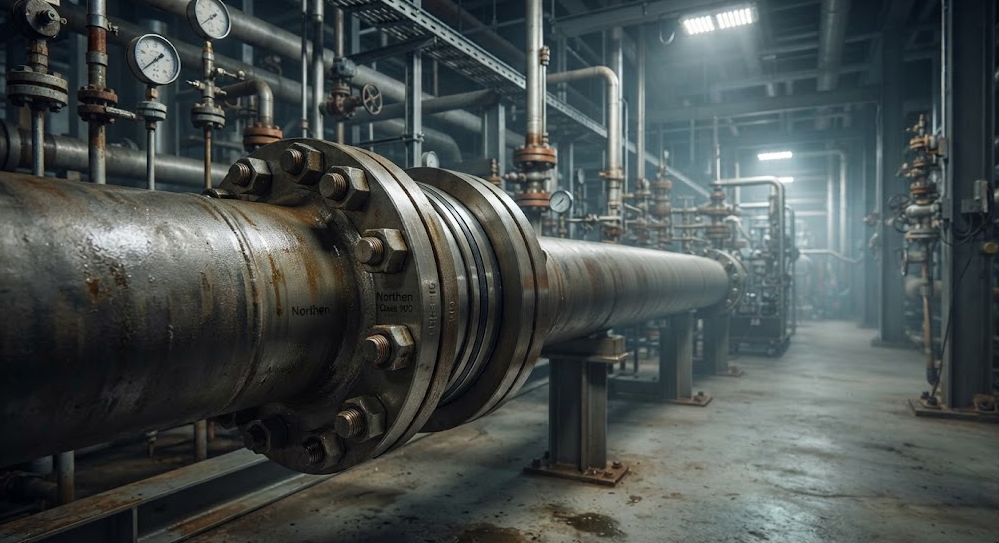
1. Identify the Leakage Location and Pipeline Conditions
Before choosing a pressure sealing product, maintenance teams need to understand the source and characteristics of the leakage.
Industrial leaks may occur around flange connections, valves, pipe joints, fittings, and other pressure-containing components. Different leakage locations can require different injection arrangements and repair procedures.
The condition of the pipeline should also be assessed. Important factors include:
-
Operating pressure and temperature
-
Type of process medium
-
Leakage location and severity
-
Component structure and connection type
-
Accessibility of the repair area
-
Expected operating conditions after sealing
These details help determine whether pressure sealing is appropriate and which sealing material should be considered.
For example, a leak involving an oil pipeline operating at a moderate temperature may require a different sealing compound from one found in a high-temperature steam system. Selecting a product based only on its general strength or temperature rating can overlook important differences in chemical compatibility.
2. Match the Pressure Sealing Sealant to the Process Medium
Chemical compatibility is one of the most important considerations when purchasing pressure sealing sealants. Different industrial media can interact differently with sealing materials, potentially affecting their performance and service reliability.
Northen offers several specialized NS-series sealing compounds designed for different industrial applications.
The NS-2# and NS-3# pressure sealing sealants are intended for use with various media, including oil, water, steam, acids, alkalis, and gases. Their stated operating temperature range is 80°C to 350°C, making them options to evaluate for applicable industrial conditions within that range.
For applications involving more demanding chemical environments, Northen also provides NS-8# and NS-9# sealing materials.
-
NS-8# is designed for media such as strong acids, strong alkalis, organic solvents, gases, and oil, with a stated temperature range of -180°C to 260°C.
-
NS-9# offers similar chemical adaptability and is also intended for oxygen leakage sealing applications.
These products address different operating requirements, so buyers should review the technical specifications of each model before making a selection. In particular, oxygen service requires careful consideration of material compatibility, cleanliness, and applicable safety procedures.
More product information is available for NS-2#, NS-3#, NS-8#, and NS-9#.
3. Evaluate the Sealing Equipment and Injection Process
Choosing an appropriate sealing compound is only part of an industrial leak repair plan. The injection equipment and repair procedure also influence whether the material can be delivered effectively to the leakage area.
During a pressure sealing operation, technicians need to consider the leakage path, injection point, system pressure, material characteristics, and equipment configuration. The sealing material must be suitable for the application, while the injection tool needs to support the required repair procedure.
Northen's Pressure Sealing Leak Repair Tool is designed to work with specialized sealing materials as part of an industrial leak repair solution. Combining the appropriate tool with a compatible NS-series compound allows maintenance teams to evaluate the repair process as a whole rather than treating the sealant as an independent product.
Before implementation, the equipment, injection method, and sealing material should be checked against the pipeline structure and operating conditions.
4. Understand When Online Pressure Sealing Is Appropriate
One reason industrial facilities consider pressure sealing is the possibility of controlling suitable leaks without immediately shutting down the affected equipment.
Conventional maintenance may require a production line to be isolated, depressurized, drained, or dismantled before repairs can begin. For facilities operating continuously, these steps may create additional production losses and scheduling difficulties.
When the leakage condition and equipment are suitable, an online pressure sealing leak repair may provide an alternative maintenance approach. It can help reduce the need for immediate shutdown and give maintenance teams more flexibility when planning subsequent inspections or permanent repairs.
Potential application areas include:
-
Petroleum refining and oil transportation systems
-
Petrochemical production facilities
-
Natural gas pipeline systems
-
Chemical processing plants
-
Power generation facilities
-
Industrial water and utility pipelines
However, not every leak can or should be repaired through pressure sealing. Decisions must account for leakage severity, equipment integrity, process hazards, material compatibility, and applicable site safety procedures. Severe structural damage or conditions outside approved repair limits may require isolation and conventional maintenance instead.
5. Consider Long-Term Maintenance and Repair Planning
A successful industrial leak repair strategy should address more than the immediate leakage problem. Maintenance teams also need to consider inspection arrangements, equipment condition, material storage, and the availability of technical support.
For purchasing departments and maintenance contractors, it is useful to ask suppliers about product specifications, application guidance, equipment compatibility, and technical documentation before placing an order.
The ability to obtain the correct sealing material and repair components can also influence maintenance efficiency, especially at facilities where several types of process media and operating temperatures are involved.
A well-planned approach helps maintenance personnel evaluate whether pressure sealing is suitable for a particular repair and avoid choosing materials based on incomplete information.
Northen Pressure Sealing Products for Industrial Maintenance
Northen specializes in pressure sealing equipment and sealing materials for industrial pipeline leak repair. Its product range includes the Pressure Sealing Leak Repair Tool and multiple NS-series sealing compounds developed for different operating conditions and process media.
This combination gives industrial users options when evaluating repair requirements involving oil, water, steam, gases, acids, alkalis, and other chemical substances.
Rather than relying on a single general-purpose sealing material, buyers can compare the characteristics of different NS-series products and select an appropriate configuration based on the actual pipeline application.
More information about the company is available through the Northen official website and its company profile.
Conclusion
Selecting the right Pressure Sealing solution requires a clear understanding of the leakage location, process medium, operating temperature, system pressure, and repair procedure. The sealing compound and injection equipment must be considered together to ensure that the proposed method is suitable for the specific pipeline conditions.
Northen's Pressure Sealing Leak Repair Tool and NS-series sealing materials provide different options for industrial maintenance applications. For buyers evaluating pressure sealing sealants, comparing product compatibility and technical requirements is more important than simply choosing a material with a broad operating range.
With proper engineering assessment, suitable equipment, and an approved repair procedure, pressure sealing can help manage applicable pipeline leaks, reduce unnecessary production interruptions, and improve maintenance planning.
https://www.northenpipe.com/pressure-sealing-for-industrial-pipelines-choosing-the-right-leak-repair-solution.html
http://www.northenpipe.com
Northen -
-
AuthorPosts

- You must be logged in to reply to this topic.